8 Wholesale Soda Lime Glass Products for Display, Appliance and Lighting Buyers
These eight product families reflect the most common wholesale requests we receive for custom glass panels, printed cover glass, chemically strengthened thin glass, lighting filter glass and technical substrates. For buyers searching for a China wholesale soda lime glass supplier and wholesaler, the list also shows how one technical glass partner can cover adjacent substrates — tempered soda-lime, alkali-free borosilicate AF32, chemically strengthened ultra-thin glass and gobo lighting glass — without splitting purchase orders across multiple vendors. Each product URL below is retained exactly for fast technical review.
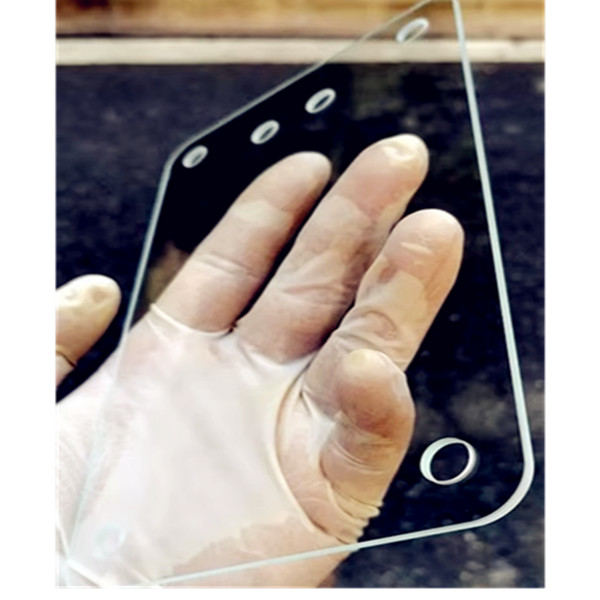
Custom Cut 0.5mm 0.7mm 1mm 1.5mm 2mm Clear Toughened Glass Tempered Corning Gorilla Glass
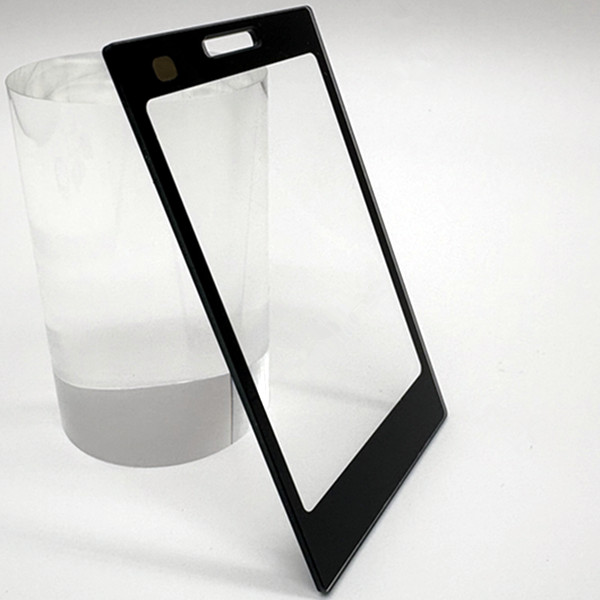
Factory Customized Black Glass Panel Silk Screen for Display Touch Electronic Glass
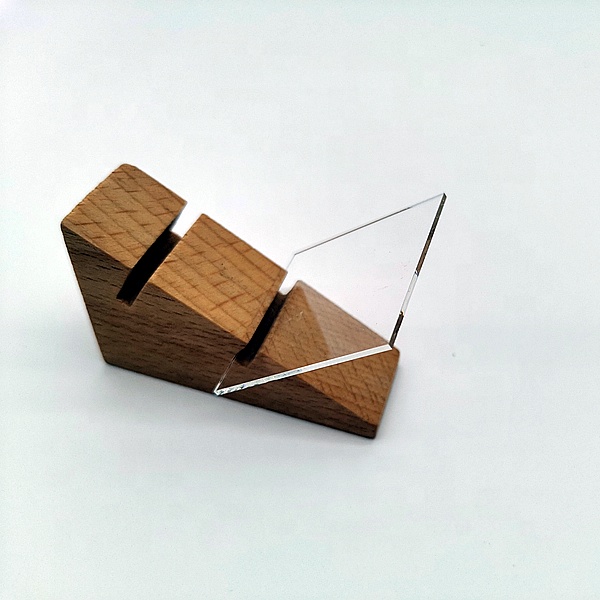
Custom 0.2mm 0.3mm 0.4mm 0.5mm 0.7mm 1mm Alkali Free Borosilicate AF32 Glass
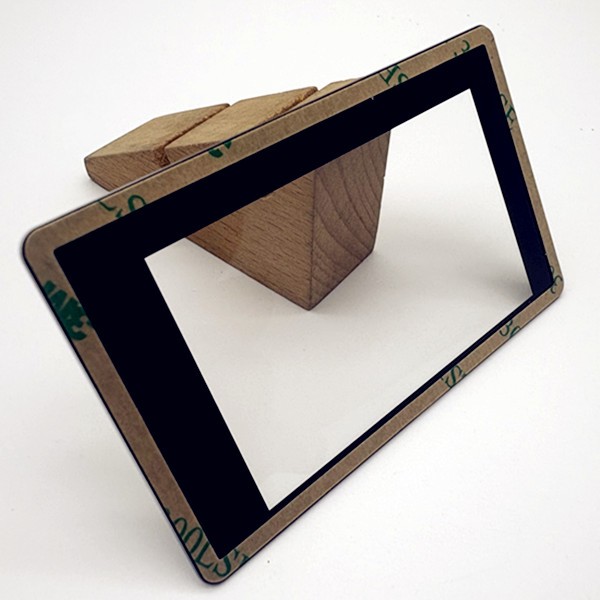
Custom Tempered Glass Dashboard Trim Panel Flat Electronic Glass Screen Protector
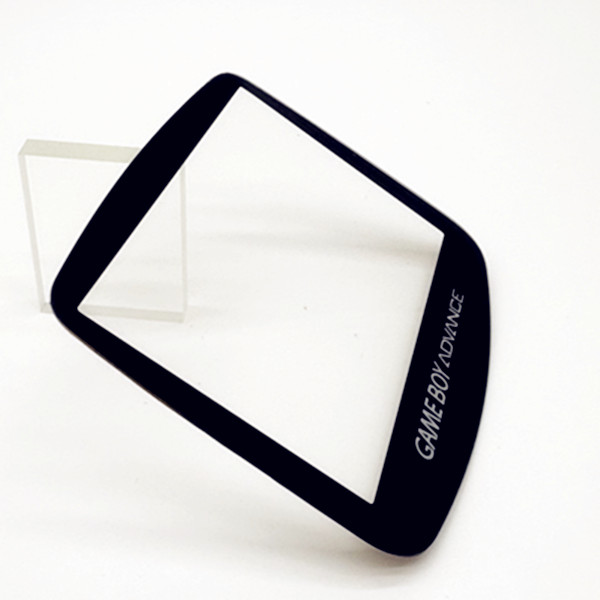
Custom Premium Gorilla Tempered Silk Screen Printed Glass Touch Screen Printed Glass Panels Cover Glass for OLED Screen
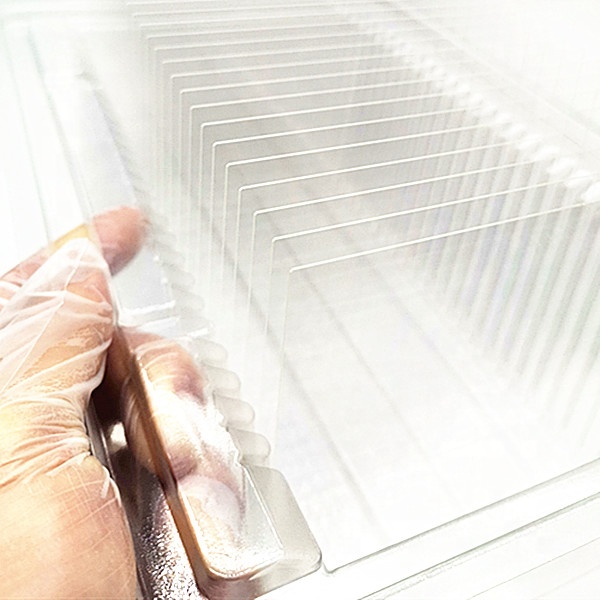
Custom Chemically ultra Thin Clear Transparent Tempered Glass Sheet

Back Painted Tempered Glass Led Glass Panel Cover Glass
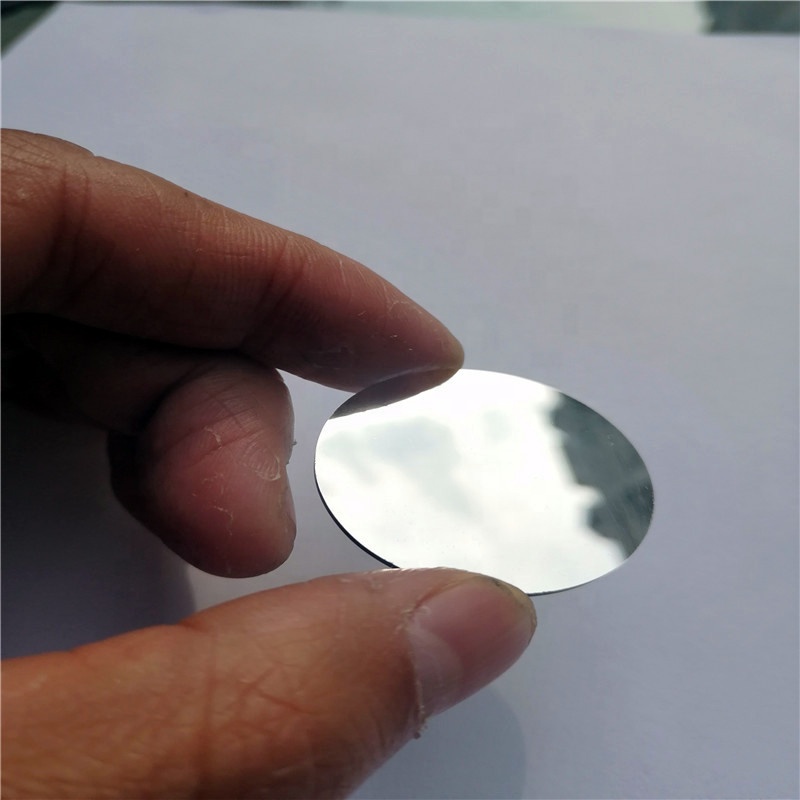
Gobo Glass/dichroic Mirror Lighting Filters Glass Lens
China Wholesale Soda Lime Glass: The Material Is Standard, the Finished Part Is Not
Soda-lime glass is the volume workhorse of the display, appliance, smart-home, automotive and lighting supply chain. Its chemistry — silica with sodium and calcium oxides — delivers good clarity, hardness, formability and cost efficiency. It can be thermally tempered, chemically strengthened, printed, coated, back-painted and cut to drawing. For high-volume cover glass and HMI panels, that combination is hard to beat.
But a buyer searching for a China wholesale soda lime glass supplier and wholesaler is rarely buying a generic sheet. The real purchasing decision is about the finished part: thickness tolerance, edge finish, hole and notch quality, flatness, print registration, coating durability, scratch resistance after strengthening, packing performance and the supplier’s ability to repeat the same result across production lots.
Soda-lime glass also has limits. Its coefficient of thermal expansion is roughly 9.0 × 10⁻⁶/K, so it is not the first choice for severe thermal shock. Where heat resistance matters — lighting covers, gobo blanks, laboratory windows or heat-resistant instrument glass — borosilicate 3.3 is usually the better substrate. Where alkali-free flatness and dimensional stability matter — biochips, wafers, PLC substrates and micro-optics — Corning Eagle XG or alkali-free borosilicate AF32 may be specified. A capable wholesale supplier should help you make that choice instead of simply quoting the cheapest sheet.
Fevry Glass Co., Ltd. is a specialty glass company based in Xinyu, Jiangxi, China. We supply custom tempered, AR-coated, silk-screen printed, borosilicate 3.3, Corning Eagle XG, glass wafer and optical filter glass processed to customer drawings. Our raw-glass network includes Corning, AGC and established Chinese optical-glass makers such as Chengdu Guangming and Xinhuguang, while our processing lines use laser, ultrasonic, CNC carving, grinding and inspection equipment imported from the USA, Germany and Japan.
How Technical Buyers Compare Wholesale Glass Suppliers
Piece price alone rarely predicts total program cost. This illustrative RFQ model ranks the criteria buyers tell us they weigh when qualifying a custom glass supplier.
Illustrative model for comparing supplier fit; not a market statistic. Final criteria should match your application, volume, quality level and logistics plan.
Where Soda Lime Glass Specifications Are Moving
Wholesale buyers are shifting from “tempered glass” as a generic line item to engineered glass stacks with defined optical, mechanical, printed and packaging performance. These six trends are shaping RFQs for display, appliance, automotive, smart-home and lighting programs.
Low-Iron Ultra-Clear Glass with AR or AG Treatment
Low-iron soda-lime glass reduces the green tint visible in thicker panels, making it the preferred base for high-transmission cover glass, touch displays and automotive HMI. Anti-reflective coating can raise transmission and reduce glare, while anti-glare treatment improves readability under strong ambient light. Buyers are increasingly specifying coating side, target transmission, haze, adhesion and environmental test requirements in the RFQ.
Chemical Strengthening of Thinner Soda-Lime Parts
For cover glass below roughly 2 mm, ion-exchange strengthening is often more suitable than thermal tempering because it raises surface strength while keeping the sheet flat and optically clean. The process demands careful edge finishing and full machining before strengthening, since the glass cannot be cut or drilled afterwards without losing the strengthened layer.
Printed HMI Glass with Hidden-Until-Lit Effects
Appliance panels, smart-home controls and dashboard trims increasingly use black matrix printing, icon windows, gradient inks and back-painted areas that stay invisible until illuminated. This places more weight on print registration, ink thickness consistency and color matching against Pantone references. Buyers should define the viewing side, ink side, light source and cosmetic acceptance criteria before sampling.
Larger Formats and Stricter Flatness
Edge-to-edge displays and larger appliance panels require better flatness control, lower waviness and stable thickness across the part. These requirements affect not only glass selection but also cutting, grinding, handling and packing. A supplier that can inspect and protect large thin panels is more valuable than one that only quotes a low square-meter price.
Back-Painted LED Cover Glass and Lighting Optics
Back-painted tempered glass is widely used for LED panel covers, appliance lighting windows and architectural lighting. For high-power stage lighting, gobo blanks and dichroic filters require heat-resistant substrates and coating control. The trend is toward tighter color consistency, heat management and application-specific substrate selection rather than one glass grade for every lighting part.
Assembly-Ready Parts and Integrated Inspection
Procurement teams want fewer hand-offs. That means one supplier should handle cutting, CNC shaping, edge grinding, drilling, strengthening, printing, coating and final inspection wherever possible. Dimensional reports, visual defect checks, sample videos and export packing records reduce the risk of receiving parts that fit the drawing but fail on the assembly line.
How Wholesale Glass Buyers Will Qualify Suppliers in 2025–2028
China remains a deep and competitive source for custom glass, but the buying process is becoming more technical and more risk-aware. The supplier that wins repeat orders will be the one that can document material traceability, control special processes and protect thin glass through international logistics.
Dual Sourcing Without Doubling Qualification Work
Buyers want a primary and backup source, but they do not want to repeat drawing reviews, sample loops and packaging trials from zero. Suppliers that keep complete RFQ, drawing, inspection and packing records make it easier to add a second production route or transfer a program across facilities.
RFQ Packs Becoming Engineering Documents
Price requests are turning into engineering packages: 2D drawings, tolerance stacks, material datasheets, print color references, coating requirements, application photos and annual volume forecasts. A complete RFQ shortens quotation time and reduces the chance of a technically correct but commercially wrong quote.
Material Traceability and Certificate Readiness
For display, automotive, medical and semiconductor-adjacent programs, buyers increasingly ask where the raw glass came from and whether the grade matches the datasheet. Suppliers that can trace raw-glass batches and explain material selection clearly are easier to qualify than suppliers that treat all soda-lime glass as interchangeable.
Lower Development MOQs, Predictable Scale-Up
Product teams need small qualification batches before mass production. Many custom cover glass and AR glass items start from 300–500 pieces, with selected gobo glass blanks available from 10 pieces and some custom Eagle XG parts from 1,000 pieces. The ideal partner supports sampling first and then scales the same drawing into repeat production.
Total Landed Cost and Packaging Performance
Thin glass can be damaged by poor interleaving, corner pressure or inadequate cushioning. Buyers are moving beyond piece price to evaluate landed cost, breakage risk, rework time and packaging waste. Export-ready packing is not a minor detail; it is part of product quality.
Verified Supplier Records and Production Evidence
Public supplier assessments, credit profiles, transaction levels, trade history and buyer reviews are now part of standard due diligence. Real production or sample videos help buyers check edge quality, print sharpness, coating appearance and packing before committing to a program.
Why Fevry Glass Fits Technical Sourcing Programs
Fevry Glass Co., Ltd. combines specialty glass supply with drawing-based processing. Our guiding principle — “Quality is superior, service is supreme, reputation is first” — and our motto “Your success, our glory” shape every order we ship. The advantage is not simply access to glass; it is the ability to turn a drawing into a stable, inspected and export-ready part.
Traceable Raw-Glass Network
We source raw glass from Corning, AGC and established Chinese optical-glass makers such as Chengdu Guangming and Xinhuguang. That helps buyers start from a traceable, consistent material rather than an undefined sheet.
In-House Precision Machining
Laser, CNC, ultrasonic carving and grinding equipment imported from the USA, Germany and Japan support custom outlines, holes, notches, slots and edge finishing for thin and thick glass.
Strengthening and Optical Coatings
Thermal tempering serves thicker panels, while ion-exchange chemical strengthening supports ultra-thin cover glass. AR, dichroic and filter coatings are matched to display, lighting and optical applications.
Silk-Screen Printing and Back Painting
Pantone-matched borders, logos, icon windows, black matrix areas and IR-transparent ink windows can be printed or back-painted for appliance, smart-home, dashboard and display cover glass.
Dimensional, Optical and Visual Inspection
Parts are checked for size, thickness, flatness, edge condition and visual defects before packing. Inspection records and sample videos help buyers validate fit and appearance before mass production.
Export Experience and Fast Response
We serve China-based customers and regularly export to Western Europe, the United States, Japan, South Korea, Taiwan, Hong Kong and Southeast Asia, with a 100% inquiry response rate and an average response time of four hours or less.



Soda Lime, Low-Iron Soda Lime, Borosilicate 3.3 or Alkali-Free Glass?
Choose the substrate from the application requirement first: optical transmission, thermal shock, chemical exposure, flatness, strengthening method and cost. The summary below is a preliminary selection guide; final specifications should be confirmed against the manufacturer datasheet and your drawing.
Ultra-Clear Soda-Lime Glass
Best for cover glass, AR panels, printed windows, smart-home controls, appliance panels and LED cover glass where cost, clarity and processability matter.
Low-Iron Soda-Lime Glass
A better base for high-transmission cover glass, display windows and automotive HMI where color neutrality and glare control are important.
Borosilicate 3.3
Preferred for lighting covers, heat-resistant windows, gobo blanks, laboratory glass and instrument windows exposed to temperature change or chemical attack.
Alkali-Free / Eagle XG / AF32
Suited to biochips, biological analyzer filters, glass wafers, PLC substrates, micro-optics and other applications requiring low expansion and dimensional stability.
A Controlled Four-Stage Workflow from Drawing to Export
For procurement teams, predictable communication matters as much as the glass itself. The workflow below keeps engineering, sampling, production and packing aligned.
Share the Drawing
Send a 2D drawing in DWG, DXF or PDF with outline dimensions and tolerances, thickness, material, edge finish, hole and notch positions, strengthening method, print colors, AR coating side, application and annual quantity.
Engineering Review
We confirm manufacturability, recommend the substrate and thickness, check whether the part should be thermally tempered or chemically strengthened, and flag potential print or coating constraints before quoting.
Sample Approval
Samples validate fit, edge quality, color matching and optical performance. For printed or coated glass, the approval step should define viewing side, light condition and cosmetic acceptance criteria.
Production and Export Packing
Mass production includes dimensional, optical and visual checks. Thin glass is interleaved and cushioned for international shipping, with packing designed to protect edges and surfaces during transit.
Wholesale Soda Lime Glass Procurement FAQ
These are the questions engineers and sourcing managers ask most often when evaluating a China wholesale soda lime glass supplier for custom display, appliance, automotive, lighting and technical glass programs.
What is the difference between soda-lime glass, low-iron soda-lime glass and borosilicate 3.3?
Soda-lime glass is cost-effective and suitable for many cover glass, printed panel and display applications. Low-iron soda-lime glass reduces green tint for better color neutrality. Borosilicate 3.3 has a much lower coefficient of thermal expansion, roughly 3.3 × 10⁻⁶/K, so it resists thermal shock far better and is preferred for heat-resistant windows, lighting covers and gobo blanks.
What custom processing can you provide for wholesale soda-lime glass?
Processing includes cutting, CNC shaping, laser and ultrasonic machining, edge grinding, holes and notches, thermal tempering or chemical strengthening, AR coating, silk-screen printing, back painting and final inspection. All cutting, drilling and edge grinding must be completed before strengthening because the glass cannot be re-cut afterwards without losing the strengthened layer.
What files are required for an accurate quotation?
Send a 2D drawing in DWG, DXF or PDF with dimensions and tolerances, thickness, glass material, edge finish, hole and notch positions, strengthening method, print colors with Pantone references, AR coating side or sides, application, expected annual volume and target schedule. Complete information lets our engineers respond with a firm recommendation in one round.
What is the typical MOQ and sample policy?
Many custom cover glass and AR glass items start from 300–500 pieces, some custom Eagle XG cut parts from 1,000 pieces, and selected gobo glass blanks from 10 pieces. Samples can be arranged to validate fit and optical performance before mass production. Exact MOQ depends on material, size, process route and whether the part requires custom printing or coating.
How do you control quality and export packing?
Quality control covers incoming material traceability, in-process checks, dimensional measurement, flatness and thickness verification, optical appearance and visual defect inspection. Thin glass is interleaved and cushioned for export. Buyers can review our supplier assessment, ratings and reviews, transaction level, trade capacity and trade history before committing to a program.
Which markets do you export to and how fast do you respond?
Besides customers in China, Fevry Glass exports to Western Europe, the United States, Japan, South Korea, Taiwan, Hong Kong and Southeast Asia. Our average response time is four hours or less, and our inquiry response rate is 100%. Send your drawing and application details to info@fevryglass.com for an engineering review.
Have a Drawing? Compare the Finished-Part Cost, Not Just the Glass Sheet.
Send your dimensions, tolerances, material, print colors, coating requirements and annual volume. Our engineers typically reply within four hours with a manufacturability review and next steps.