China Wholesale Glass Plate Exporter & Exporters
Precision tempered, AR-coated, silk-printed, borosilicate and Corning® Eagle XG glass plates cut to drawing for global OEM buyers.
8 Wholesale Glass Plate Products for OEM Procurement
These are engineered glass plates, not commodity blanks. Each product below is linked to its original product page so buyers can compare material, print, strengthening and application details before requesting a quotation.
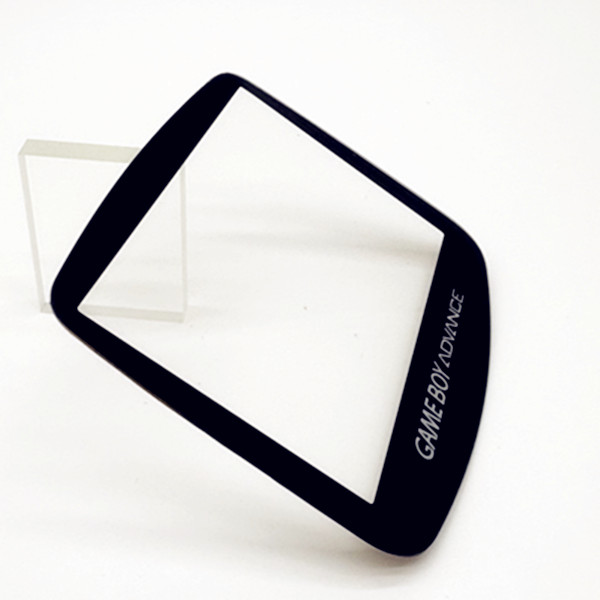
Custom Premium Gorilla Tempered Silk Screen Printed Glass Touch Screen Printed Glass Panels Cover Glass for OLED Screen
Premium printed cover glass for OLED displays where optical clarity, edge quality and brand-level appearance must be balanced.
View Product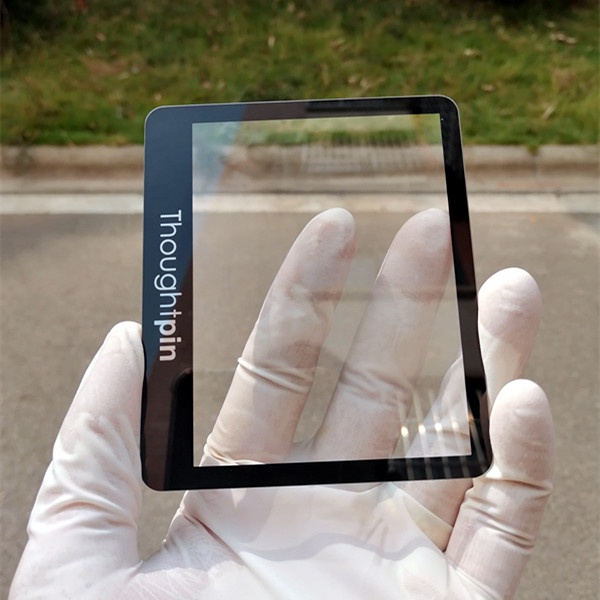
1.5mm 2mm Tempered Glass Thickness Touch Switch Glass Plate
Rigid touch-switch glass for appliance, smart-home and industrial control interfaces requiring repeatable flatness.
View Product
Factory Custom Tempered Silk Printed Gorilla Glass Screen Protector Printing Glass
Factory-printed strengthened glass for consumer electronics, instruments and display windows with color-matched borders.
View Product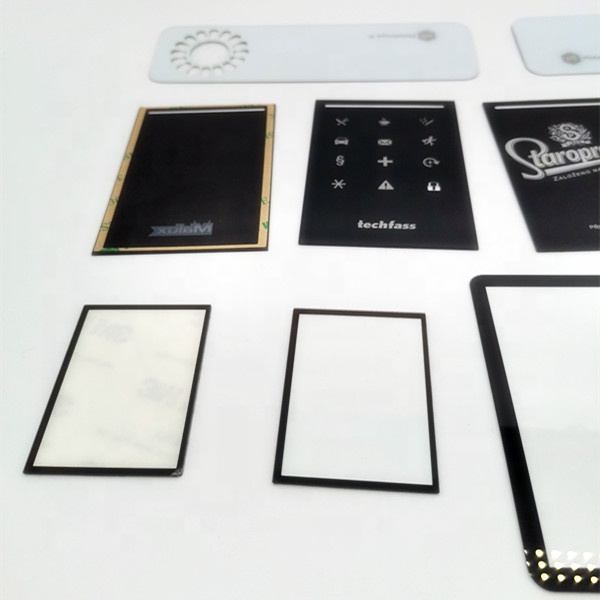
Custom Corning Gorilla Tempered Glass Silk Screen Printing for Touch Screen
Corning® Gorilla® glass with custom silk printing for touch interfaces that need scratch resistance and clean optical windows.
View Product
Factory Customization Dichroic Glass Gobo Glass
Dichroic and gobo glass customization for stage, architectural, entertainment and effect-lighting supply chains.
View Product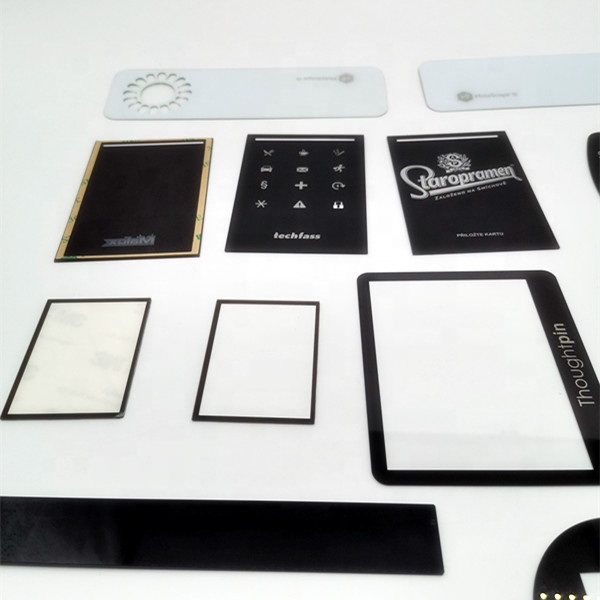
Custom Display Screen Silk Screen Printing Tempered Gorilla Glass
Printed tempered Gorilla® glass for display windows, front panels and branded fascias with sharp graphic definition.
View Product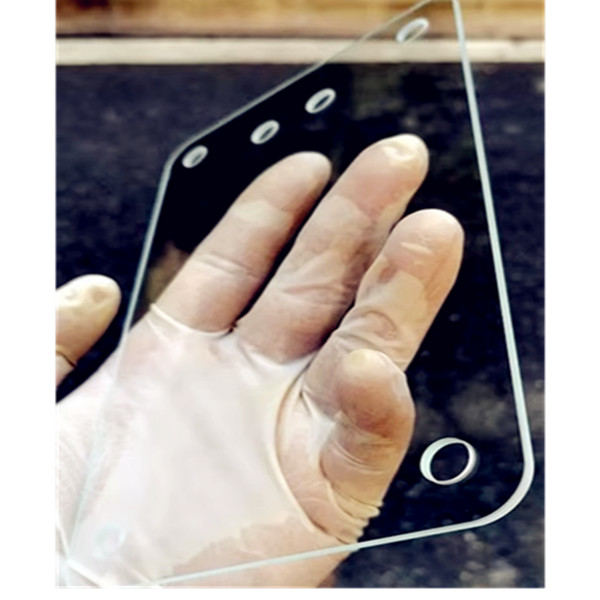
Custom Cut 0.5mm 0.7mm 1mm 1.5mm 2mm Clear Toughened Glass Tempered Corning Gorilla Glass
Clear toughened glass cut to thin-gauge drawings for cover plates, sensor windows and compact electronic assemblies.
View Product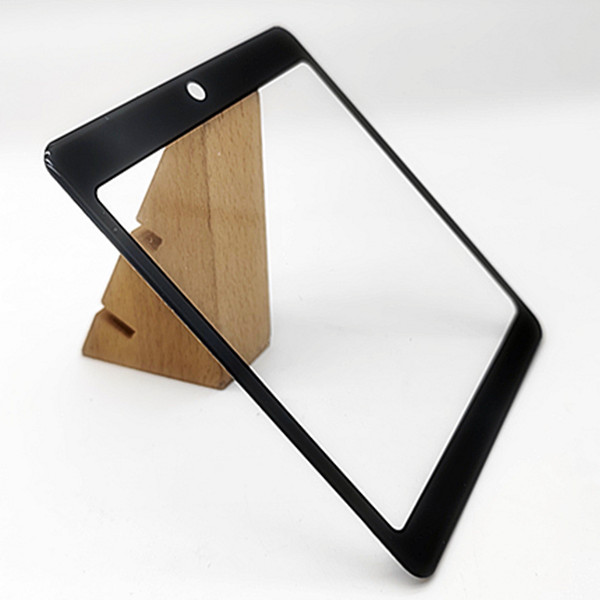
Ultra Clear Gorilla Glass Panel with Silk Screen Printing for Electronic Device
Ultra-clear printed panel for electronic devices where black border depth, transmission and surface flatness affect perceived quality.
View ProductChina Wholesale Glass Plate Exporters: From Commodity Search to Engineered Supply
A search for “China wholesale glass plate exporter & exporters” usually returns hundreds of trading companies, catalog pages and marketplace storefronts. For a procurement team, however, the real decision is not simply “who has the lowest unit price.” The decision is whether the supplier can control substrate quality, cutting tolerance, edge finish, strengthening, coating, printing and export packing as one accountable process.
Glass plates used in OLED covers, touch switches, smart-home displays, automotive HMI panels, lighting gobos, biochips and semiconductor carriers behave very differently under heat, impact, humidity, optical inspection and cleaning. A soda-lime cover glass, a borosilicate 3.3 heat-resistant plate, a Corning® Eagle XG substrate and a chemically strengthened ultra-thin sheet are not interchangeable. That is why serious buyers evaluate a material-first supply chain instead of treating every clear glass plate as a commodity.
Fevry Glass Co., Ltd. is based in Xinyu, Jiangxi, China and works with optical, biological, semiconductor, communications, lighting and electronics customers. Our practical advantage is the ability to source traceable raw glass, review a drawing, recommend a manufacturable material and then process the part through cutting, strengthening, coating, printing, inspection and export packing. Buyers can verify supplier assessment, credit profile, transaction level, trade capacity, trade history and buyer reviews through the public company pages linked on this page.
The most useful information gain for international buyers is a clear comparison framework: what to buy, how to specify it, which future procurement trends will affect total cost, and which supplier signals reduce risk. The sections below are written for that intent — not as a generic catalog wall, but as a technical sourcing guide for B2B glass plate procurement.
What serious buyers should compare before sending an RFQ
Compare the substrate first, then thickness range, dimensional tolerance, edge specification, hole and notch positions, strengthening method, print colors, coating sides, inspection criteria, packing method and annual volume. A supplier who can discuss these variables before quoting is more likely to deliver a repeatable part than a supplier who only asks for quantity.
Material + process integration
One supplier should understand how the chosen glass responds to cutting, strengthening, coating and printing.
Traceable source glass
Raw material consistency matters for CTE, flatness, optical transmission and repeat production batches.
Export-ready communication
Drawings, samples, videos, public records and clear packing terms reduce cross-border procurement friction.
Recommended Wholesale Glass Plate Products by Application
Use application intent to narrow the shortlist. The right question is not “which glass is cheapest?” but “which glass and process combination passes the final product’s reliability, appearance and assembly requirements?”
OLED, display and touch cover glass
Choose Gorilla® glass, ultra-clear glass or custom printed cover plates when scratch resistance, printed opacity and window alignment affect the user experience. Specify print color, window tolerance and which side receives the print and coating.
Appliance and industrial touch switches
Use 1.5 mm or 2 mm tempered glass plates when the interface needs rigidity, flatness and stable touch performance. Ask for edge chamfer details and tolerance on holes or notches used for assembly.
Silk-screen printed Gorilla® protectors
For electronics brands, printed borders can hide adhesives, define viewing windows and carry logos. Request ink thickness, color references and visual acceptance criteria before mass production.
Gobo and dichroic lighting glass
Lighting fixtures need heat tolerance, coating stability and repeatable color effects. Borosilicate-based blanks and custom dichroic glass should be discussed with the fixture wattage and duty cycle in mind.
Optical, biochip and semiconductor substrates
Corning® Eagle XG and related low-expansion substrates are selected for flatness, dimensional stability and compatibility with micro-patterning, bonding and optical alignment.
Smart-home and automotive HMI panels
Cover glass for home electronics and dashboard trims must balance cosmetics, print depth, anti-glare or anti-reflective performance and robust packing for long-distance shipping.
How Glass Plate Procurement Is Changing for Global Buyers
Search behavior is shifting from broad wholesale keywords to application-specific supplier discovery. Buyers increasingly compare process evidence, documentation and production visibility before price becomes the deciding factor.
1. Drawing-first RFQs replace catalog-only buying
More buyers send DWG, DXF or PDF drawings with tolerances, edge finish, print colors and annual volume. Suppliers that can review manufacturability before quoting shorten the sampling cycle and reduce rework risk.
2. Multi-process integration reduces supplier count
Procurement teams prefer one partner for cutting, strengthening, coating, printing, inspection and packing. Fewer hand-offs mean clearer responsibility when a cosmetic or dimensional issue appears.
3. Traceability becomes a qualification gate
Corning®, AGC, borosilicate and low-expansion substrate references are increasingly requested with batch consistency, flatness expectations and material certificates where applicable.
4. Video-backed approval supports remote sourcing
Buyers use production videos, sample photos and inspection clips to validate edge quality, print sharpness and coating appearance before travel or mass production. This is especially important for thin glass and large panels.
5. Dual sourcing is designed, not improvised
OEMs are qualifying alternate suppliers earlier, but they still need drawing control, print color consistency and packing standards to remain aligned across sources.
6. Landed cost includes breakage and packaging
The cheapest ex-works plate can become expensive if corner chips, surface scratches or moisture damage create line stoppages. Interleaved, cushioned export packing is part of the product specification.
Buyer priority index for custom glass plate sourcing
Illustrative planning index based on common qualification criteria in custom cover glass, printed glass, borosilicate and technical substrate projects. It is a decision-support model, not a market-wide forecast.
Glass Plate Technology Trends That Affect Your Next Purchase
The strongest product development signals are not cosmetic. They come from the way display, lighting, biotech and semiconductor products are becoming thinner, more integrated and more demanding on optical consistency.
Integrated AR, print and strengthening
Buyers increasingly want one finished cover glass that combines anti-reflective coating, printed graphics and strengthened surfaces. The procurement implication is to specify the process order and which surface must remain uncoated or print-free.
Ultra-thin chemically strengthened glass
For 0.15 mm to about 2 mm cover glass, ion-exchange strengthening can raise surface strength while keeping the sheet flat and optically clean. Cutting and edge grinding must be completed before strengthening.
Eagle XG for biochips and wafers
Alkali-free boro-aluminosilicate substrates support micro-patterning, bonding and dimensional stability. Buyers should confirm thickness, flatness, edge condition and cleaning requirements before assuming a general glass sheet will work.
Borosilicate 3.3 for heat and thermal shock
Borosilicate 3.3 expands at about 3.3 × 10⁻⁶/K, roughly one third of soda-lime glass. It is a practical choice for heat-resistant windows, gobo blanks, lighting covers and instrument glass.
Dichroic and custom optical coatings
Lighting and optical assemblies need repeatable color, transmission and coating durability. Buyers should share the light source, duty cycle, target spectrum and handling environment when requesting dichroic glass.
Display windows with functional inks
Printed borders, icon windows and IR-transparent ink areas are becoming more integrated. Color references such as Pantone numbers and clear window tolerances should be agreed before sampling.



Why Fevry Glass Is a Practical China Glass Plate Export Partner
Fevry Glass Co., Ltd. is a specialty glass supplier based in Xinyu, Jiangxi, China. We support customers who need custom tempered glass, anti-reflective coated glass, silk-screen printed glass, borosilicate 3.3, Corning® Eagle XG, glass wafers, optical filter glass, gobo glass, dichroic glass and ultra-thin chemically strengthened glass processed to drawing.
Our raw material approach is part of the value proposition. We source glass from Corning, AGC and other multinational producers and work closely with established Chinese optical-glass makers such as Chengdu Guangming and Xinhuguang. Our technicians process materials on laser, ultrasonic, CNC carving, grinding and inspection equipment imported from the USA, Germany and Japan, supporting tighter tolerances and repeatable appearance across production runs.
Our guiding principle is “Quality is superior, service is supreme, reputation is first”, and our motto is “Your success, our glory”. Those principles are useful only when they become measurable buyer protections: fast response, drawing review, sample approval, inspection records and export packing designed for fragile thin glass.
Traceable material sourcing
Corning, AGC and established Chinese optical-glass makers help anchor material consistency for demanding optical, biological and semiconductor applications.
Single-source process control
Laser, CNC, ultrasonic machining, thermal or chemical strengthening, coatings, silk printing and inspection can be coordinated as one production path.
Responsive export communication
10+ years as an Alibaba.com member, ≤4h average response time, 100% inquiry response rate, 5.0/5 buyer rating and service to 7+ export regions.
Public verification signals
Supplier assessment, credit profile, transaction level, trade capacity, trade history and buyer reviews are available through the company profile pages.
From Raw Sheet to Finished Optical Part
A clear capability matrix helps buyers ask better RFQ questions and compare suppliers on engineering value rather than vague claims.
| Process | Engineering value | What to include in your RFQ |
|---|---|---|
| Laser, CNC and ultrasonic machining | Custom outlines, holes, notches, slots and edge profiles with repeatable dimensional control. | DWG/DXF/PDF drawing, thickness, outline tolerance, edge finish, hole and notch positions. |
| Thermal and chemical strengthening | Thermal tempering for thicker panels; ion-exchange for thin cover glass from 0.15 mm to about 2 mm. | Application, impact requirement, glass thickness, edge condition and whether any post-strengthening processing is needed. |
| AR, dichroic and optical coatings | Anti-reflective performance, glare reduction, dichroic color effects and application-specific optical behavior. | Coating side, target transmission or reflection, light source, environmental exposure and handling limits. |
| Silk-screen printing and back painting | Pantone-matched borders, logos, icon windows, masking layers and IR-transparent ink areas. | Print color references, artwork, window tolerance, print side, ink opacity and visual acceptance standard. |
| Dimensional and optical inspection | Checks for size, thickness, flatness, visual defects, print alignment and coating appearance before packing. | Critical dimensions, cosmetic zone requirements, sample approval criteria and inspection report expectations. |
| Protective export packing | Reduces breakage, edge chips and surface scratches during international shipping and line-side handling. | Carton quantity, interleaving method, moisture protection, labeling and any special palletization request. |
Compare Glass Plate Materials Before You Buy
Material selection should start with thermal expansion, optical requirements, strengthening method and end-use environment. The following table is a practical screening guide, not a substitute for final datasheet review.
| Material | Typical thickness | CTE (×10⁻⁶/K) | Best suited for |
|---|---|---|---|
| Ultra-clear soda-lime | 0.5 – 4 mm | ≈ 9.0 | Cover glass, AR panels, printed windows and general display covers |
| Gorilla® alkali-aluminosilicate | 0.4 – 2 mm | ≈ 7.5 – 8.5 | Scratch-resistant touch covers and display protection |
| Borosilicate 3.3 | 0.3 – 3.3 mm | 3.3 | Heat-resistant windows, gobo blanks, lighting covers and lab glass |
| Corning® Eagle XG | 0.5 – 1.1 mm | ≈ 3.2 | Biochips, wafers, PLC substrates and precision optical alignment |
| Chemically strengthened thin glass | 0.15 – 2 mm | Base-glass dependent | Ultra-thin protectors, sensor covers and compact electronic devices |
A Clear Five-Step Path from Drawing to Delivery
Procurement teams need predictable communication. The following workflow keeps technical and commercial decisions visible at each stage.
Share Your Drawing
Send dimensions, tolerances, material, thickness, coating, printing and annual volume.
Engineering Review
Confirm manufacturability and recommend substrate, edge finish and strengthening method.
Sample Approval
Validate fit, print color, optical appearance and cosmetic acceptance before mass production.
Mass Production
Process with dimensional, visual and coating checks aligned with the approved sample.
Export Packing
Interleaved, cushioned packing for fragile thin glass and international shipping.
Frequently Asked Questions from Global Glass Plate Buyers
Direct answers to the questions engineers and sourcing managers ask most often when comparing China wholesale glass plate exporters.
How should I choose a China wholesale glass plate exporter?
Start with the application and material, not the catalog photo. Ask whether the supplier can review a drawing, recommend a substrate, explain strengthening and coating options, provide samples and define inspection criteria. Then verify public company records, buyer reviews, response behavior and packing standards. A supplier who can discuss tolerances and process order before quoting is usually better prepared for repeat production.
Should I choose chemically strengthened or thermally tempered glass?
Thermal tempering is generally best for glass around 3 mm and thicker. For ultra-thin cover glass from 0.15 mm to about 2 mm, chemical strengthening by ion exchange increases surface strength while keeping the sheet flat and optically clean. In both cases, cutting, drilling and edge grinding must be completed before strengthening because the glass cannot be re-cut afterward without losing the strengthened edge condition.
When is borosilicate 3.3 better than soda-lime glass?
Borosilicate 3.3 has a thermal expansion coefficient of about 3.3 × 10⁻⁶/K, roughly one third of soda-lime glass. Choose it for lighting covers, heat-resistant windows, gobo blanks, laboratory glass and instrument windows where thermal shock or chemical exposure is expected. Soda-lime glass can be appropriate for general cover glass and printed panels where thermal load is moderate.
Why is Corning® Eagle XG used for biochips, wafers and PLC substrates?
Eagle XG is an alkali-free boro-aluminosilicate glass with low thermal expansion and a fusion-formed surface. This combination supports excellent flatness and dimensional stability, which is valuable for micro-patterning, bonding, optical alignment and biological analyzer components. Buyers should still confirm thickness, edge condition, cleaning and flatness requirements for the specific process.
What is the minimum order quantity?
Most custom cover glass and AR glass projects start from 300 to 500 pieces, custom-cut Eagle XG parts from around 1,000 pieces, and selected gobo or dichroic glass items from smaller trial quantities. MOQ depends on material, size, print complexity, coating and packing. Samples can be arranged to validate fit and optical performance before mass production.
What information do you need to evaluate a custom glass project?
Send a 2D drawing in DWG, DXF or PDF with outline dimensions and tolerances, thickness, glass material, edge finish, hole and notch positions, strengthening method, print colors with Pantone references, AR coating side or sides, end application and expected annual quantity. If available, include inspection criteria, target sample date and packaging requirements. Complete information helps our engineers respond with a firm recommendation in one round.
Which markets does Fevry Glass export to?
Besides domestic customers in China, we serve buyers in Western Europe, the United States, Japan, South Korea, Taiwan, Hong Kong and Southeast Asia. Export packing is designed for fragile thin glass, and public trade capacity and trade history are available for review before you commit.
Have a Drawing? Engineer Your Next Glass Plate With Fevry Glass.
Email your material, thickness, tolerance, coating and printing requirements. Our team typically replies within 4 hours with the next technical step.