8 Flexible Glass & Precision Cover Glass Products for Global Buyers
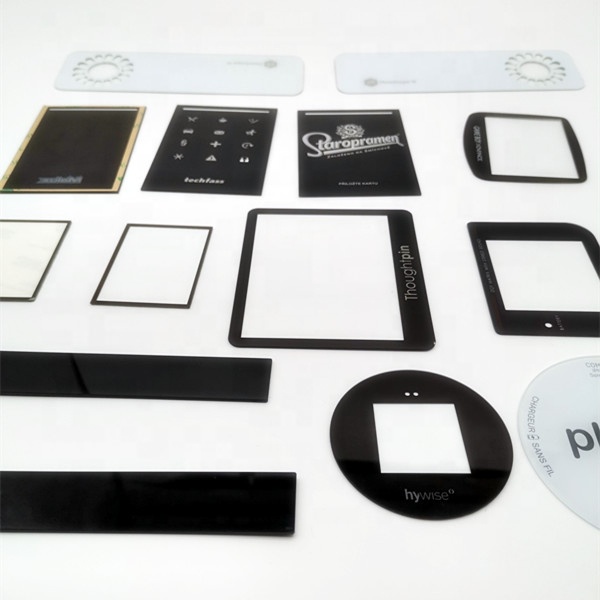
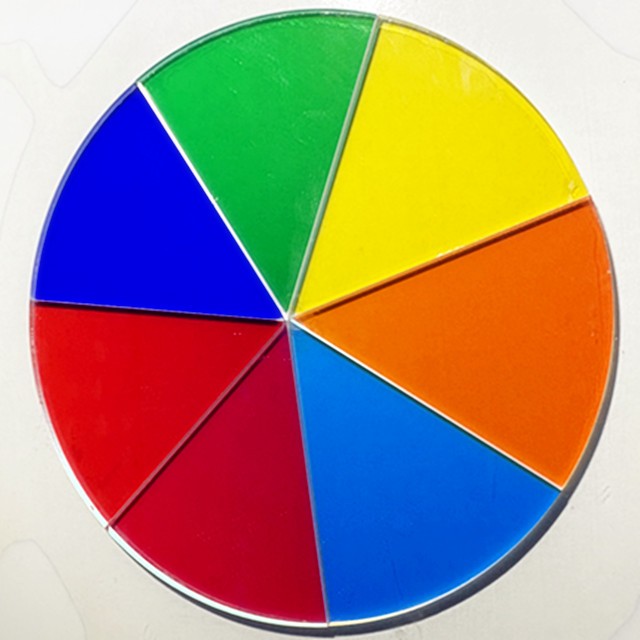
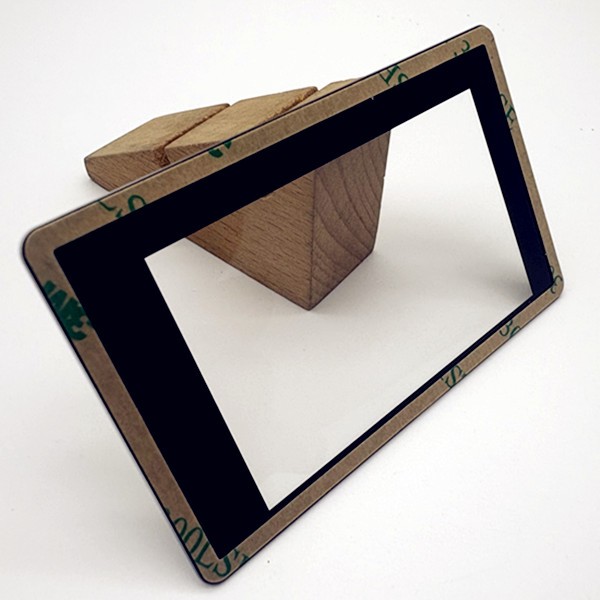
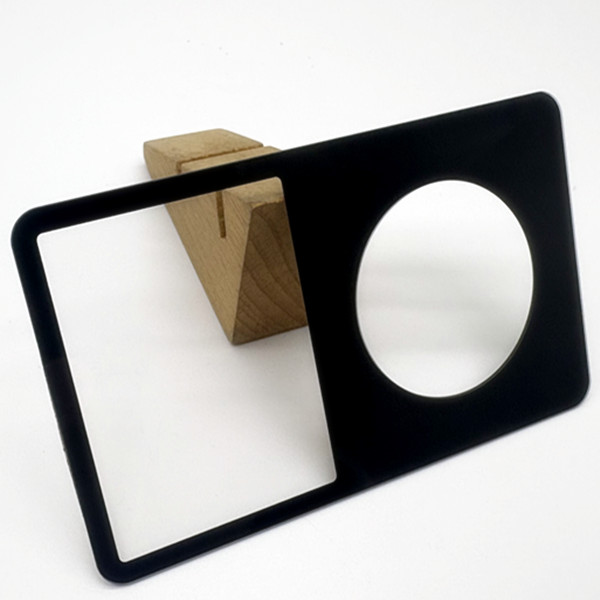
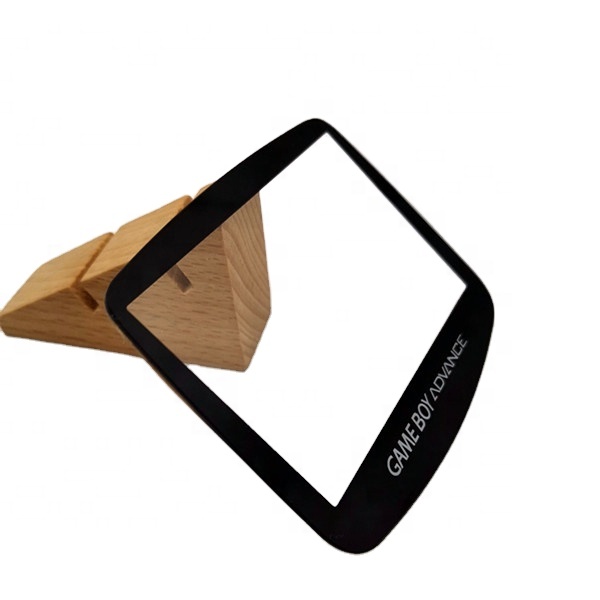
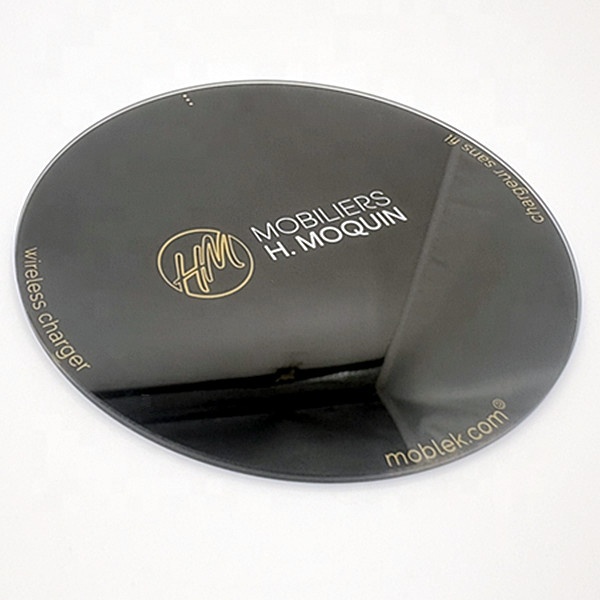
Start with an application-led shortlist. These eight product directions cover LED panel cover glass, gobo and dichroic glass, automotive dashboard trim, touch switch glass, silk-screen printed Gorilla® glass, anti-reflective cover glass, black-border printed tempered glass and ultra-thin chemically strengthened glass.


What “Flexible Glass” Means in China Wholesale Procurement
In B2B sourcing, flexible glass rarely means one single commodity. It describes a family of thin, chemically strengthened, bendable or ultra-thin glass specifications used in displays, touch interfaces, sensors, lighting and precision instruments. For procurement teams, the practical question is not simply “Is this glass flexible?” but “Does this glass meet the required thickness, bend radius, surface strength, optical transmission, edge quality, coating durability and assembly method for my product?” That is why a credible China wholesale flexible glass supplier & exporters must behave more like an engineering partner than a catalogue seller.
A flexible glass programme usually begins with a drawing and an application brief. The supplier then recommends a substrate route: ultra-thin soda-lime glass, chemically strengthened alkali-aluminosilicate glass, borosilicate 3.3, or a specialty substrate such as Corning® Eagle XG. Each route changes the downstream process. Thin glass may require ion-exchange strengthening rather than thermal tempering; anti-reflective coating may be applied to one or both sides; printed borders must be cured without distorting flatness; and edge grinding must be completed before strengthening because strengthened glass cannot be re-cut afterwards. In a mature sourcing relationship, these decisions are documented before sampling, not discovered during mass production.
Fevry Glass Co., Ltd. supports this specification-led workflow from Xinyu, Jiangxi, China. The company works with raw glass sourced from Corning, AGC and established Chinese optical-glass makers such as Chengdu Guangming and Xinhuguang, then processes materials on laser, ultrasonic, CNC carving, grinding and inspection equipment imported from the USA, Germany and Japan. For global OEM buyers, that combination matters because it supports traceable material selection, repeatable dimensional control and export-ready packing for fragile thin glass.
- Material first: choose the substrate before debating price, because thermal, optical and chemical performance start with the glass family.
- Application first: disclose the end use, annual volume, coating sides, print colours and assembly process so the supplier can flag risk early.
- Documentation first: request drawings, material data, sample reports and packaging specifications before releasing a mass-production order.
Quick Buyer Checklist for Flexible Glass RFQs
Send a 2D drawing (DWG, DXF or PDF) with outline dimensions and tolerances, thickness, glass material, edge finish, hole and notch positions, strengthening method, print colours with Pantone references, AR coating side(s), application and estimated annual quantity.
Why this matters: complete information gives engineering teams enough context to recommend the right substrate, avoid unnecessary tooling, and return a firm quotation in fewer rounds.
Typical response target: ≤ 4 hours, with a 100% inquiry response rate and English-language technical communication for export buyers.
Future Procurement Trends for China Wholesale Flexible Glass
The buying conversation is shifting from “lowest piece price” to “qualified supply with fewer surprises.” For flexible glass and precision cover glass, the following procurement trends are already visible among OEMs in Western Europe, the United States, Japan, South Korea and Southeast Asia.
Specification-led sourcing
Buyers are consolidating RFQs around drawings, tolerances, CTE, coating sides, print colours and annual volume. Suppliers that can interpret a drawing and recommend a material route win more repeat business than those that quote only a size and thickness.
Traceability and dual-source risk
Procurement teams increasingly ask for material origin, batch consistency and evidence of inspection. A supplier that sources from Corning, AGC and established optical-glass makers can help buyers balance performance, cost and supply continuity.
Lower MOQ plus paid samples
Many custom cover glass and AR glass items start from 300 to 500 pieces, while selected gobo glass blanks can start from 10 pieces. Samples remain the fastest way to validate fit, colour, print sharpness and optical performance before mass production.
Export packing and documentation
Thin glass is fragile, and poor packing can erase the benefit of a competitive quotation. Buyers now evaluate interleaved packing, edge protection, carton strength, pallet stability and export documentation as part of total landed cost.
Where Flexible Glass Technology Is Moving Next
Product development is converging around thinner substrates, stronger surfaces, integrated optical coatings and printed functionality. The direction is clear: glass is no longer just a protective cover — it is becoming a functional interface material.
Ultra-thin, chemically strengthened glass
For 0.15 mm to about 2 mm cover glass, ion-exchange strengthening raises surface strength while maintaining flatness and optical clarity. This route is increasingly important for flexible displays, sensor covers and ultra-thin protective windows.
Integrated AR, AG and AF coatings
Double-sided anti-reflective coating can raise transmission toward the high-90% range, while anti-glare and anti-fingerprint treatments improve readability and touch feel. Coating integration reduces assembly steps for display and instrument makers.
Printed cover glass with functional inks
Silk-screen printing now goes beyond decorative borders. Black borders, icon windows, IR-transparent ink areas and Pantone-matched graphics combine aesthetics with hidden sensor and light-management functions in smart-home, automotive and appliance panels.
Specialty substrates for optics and biotech
Borosilicate 3.3, Corning® Eagle XG, glass wafers, dichroic mirrors and gobo blanks continue to grow in lighting, biochip, optical communication and analytical instrument applications where dimensional stability matters.
Match the Substrate to the Application Before You Compare Prices
Flexible glass sourcing becomes much faster when the material route is agreed early. The table below summarises typical properties for preliminary selection; final specifications should always be confirmed against the manufacturer datasheet and your drawing.
| Material | Typical thickness | CTE (×10⁻⁶/K) | Best for | Procurement note |
|---|---|---|---|---|
| Ultra-clear soda-lime | 0.5 – 4 mm | ≈ 9.0 | Cover glass, AR panels, printed windows | Good optical clarity and cost balance; specify edge and print requirements. |
| Gorilla® alkali-aluminosilicate | 0.4 – 2 mm | ≈ 7.5 – 8.5 | Scratch-resistant touch and display covers | Chemically strengthened options suit thinner, stronger cover glass. |
| Borosilicate 3.3 | 0.3 – 3.3 mm | 3.3 | Heat-resistant windows, gobo, lab glass | Low expansion supports thermal shock resistance in lighting and instruments. |
| Corning® Eagle XG | 0.5 – 1.1 mm | ≈ 3.2 | Biochips, wafers, PLC and micro-optics | Alkali-free, flat substrate for micro-patterning and bonding. |
| Chemically strengthened thin glass | 0.15 – 2 mm | Base-glass dependent | Ultra-thin protectors, sensor covers | All cutting and edge grinding must be completed before ion exchange. |
Values are typical industry figures for preliminary selection. Final specifications, tolerances and coating performance must be confirmed with the supplier and material manufacturer.
Where Flexible Glass and Precision Cover Glass Perform
Fevry Glass serves OEMs and research teams across displays, lighting, biotech, semiconductor, optical communication and instrumentation. The common requirement is not simply glass — it is repeatable performance after cutting, strengthening, coating, printing and packing.
Displays & electronics
LCD protection glass, smart-home panels, automotive dashboard trims and touch switch plates.
Stage & LED lighting
Gobo blanks, dichroic colour lenses, LED filament glass and heat-resistant lighting covers.
Biotech & life science
Biochip substrates, analyzer filters and microscopy-grade glass with stable flatness.
Semiconductor
Glass wafers, carrier substrates and packaging glass for precision fabrication.
Optical communication
PLC substrate glass and fiber-alignment V-groove glass for optical modules.
Measuring instruments
Flat, stable worktable glass for metrology, inspection devices and analytical equipment.
Enterprise Advantages of a China Wholesale Flexible Glass Supplier & Exporter
Fevry Glass Co., Ltd. is a specialty glass company based in Xinyu, Jiangxi, China. Drawing on years of hands-on work with optical, biological, semiconductor, communications, lighting and electronics customers, the team helps engineers select the right substrate and turn it into a finished, export-ready part. For buyers comparing China wholesale flexible glass suppliers and exporters, this depth of application experience is often more valuable than a catalogue that lists sizes without process context.
The company sources raw glass from Corning, AGC and other multinational producers and works closely with established Chinese optical-glass makers such as Chengdu Guangming and Xinhuguang. Every project therefore starts from traceable, consistent material. Technicians process the glass on laser, ultrasonic, CNC carving, grinding and inspection equipment imported from the USA, Germany and Japan, covering cutting, drilling, edge grinding, thermal tempering, chemical strengthening, AR coating, dichroic coating, silk-screen printing and back painting.
Quality control is built around dimensional and optical inspection: size, thickness, flatness, edge condition, print alignment, coating appearance and packing are checked before shipment. The company’s guiding principle — “Quality is superior, service is supreme, reputation is first” — and its motto “Your success, our glory” reflect a supplier relationship orientated towards repeat orders rather than one-off transactions.
- 10+ years as an Alibaba.com member serving global buyers
- Average response time ≤ 4 hours and 100% inquiry response rate
- 5.0/5 buyer rating and visible supplier records
- 7+ export regions: Western Europe, USA, Japan, South Korea, Taiwan, Hong Kong and Southeast Asia
- Eagle XG, borosilicate 3.3, Gorilla® glass, ultra-clear soda-lime and specialty substrates
- Laser, CNC and ultrasonic machining; thermal and chemical strengthening; AR, dichroic and printed finishes



A Clear 5-Step Path from Drawing to Export Delivery
Procurement teams need predictable communication and zero late-stage surprises. The workflow below keeps engineering, sampling, production and packing visible at every stage.
Share your drawing
Send dimensions, tolerances, material, coating, print and annual volume details.
Engineering review
We confirm manufacturability and recommend substrate, thickness and process route.
Sample approval
Samples validate fit, colour matching, edge quality and optical performance.
Mass production
Processing with in-line dimensional and visual quality checks before packing.
Export packing
Interleaved, cushioned packing designed for safe international shipping of thin glass.
Independent Records You Can Check Before You Commit
Fevry Glass is listed on Alibaba.com with visible supplier assessment, credit profile, ratings, transaction level, trade capacity and trade history records. These records help procurement teams verify trading activity and buyer feedback before releasing a purchase order.
Supplier assessment
Third-party verification details for company premises and supplier status.
Credit profile
Business credit overview available for buyer due diligence.
Ratings & reviews
5.0/5 average buyer rating with visible buyer feedback.
Transaction level
Verified order performance and trading activity indicators.
Trade capacity
Export markets, logistics and supply capability overview.
Trade history
Past transaction records for additional procurement confidence.
Technical Answers for Flexible Glass Buyers
Straight answers to the questions engineers and sourcing managers ask most often when evaluating China wholesale flexible glass suppliers and exporters.
Checklist for a Fast Evaluation
- 2D drawing (DWG / DXF / PDF)
- Material and thickness
- Tolerances and edge finish
- Strengthening method
- Print colours and AR coating side(s)
- Application and annual volume
Should I choose chemically strengthened or thermally tempered glass?
Thermal tempering is generally best for glass around 3 mm and thicker. For ultra-thin cover glass from 0.15 mm to about 2 mm, chemical strengthening through ion exchange raises surface strength while keeping the sheet flat and optically clean. In both cases, cutting, drilling and edge grinding must be finished before strengthening because strengthened glass cannot be re-cut afterwards without losing its surface-strength benefit.
When is borosilicate 3.3 better than soda-lime glass?
Borosilicate 3.3 has a coefficient of thermal expansion of about 3.3 × 10⁻⁶/K, roughly one third of soda-lime glass, so it resists thermal shock far better. It is often the preferred choice for lighting covers, heat-resistant windows, gobo blanks, laboratory glass and instrument glass where temperature changes or chemical exposure are expected.
Why is Corning® Eagle XG used for biochips, wafers and PLC substrates?
Eagle XG is an alkali-free boro-aluminosilicate glass with low thermal expansion and a fusion-formed surface that offers excellent flatness and dimensional stability. That combination suits micro-patterning, bonding and precision optical alignment in biochips, glass wafers and PLC substrates.
What is the minimum order quantity?
Most custom cover glass and AR glass items start from 300 to 500 pieces. Some Eagle XG cut parts start from 1,000 pieces, and selected gobo glass blanks can start from 10 pieces. Samples can be arranged to validate fit and optical performance before mass production, which is especially useful for first-time flexible glass projects.
What information do you need to evaluate a custom glass project?
Please send a 2D drawing in DWG, DXF or PDF format with outline dimensions and tolerances, thickness, glass material, edge finish, hole and notch positions, strengthening method, print colours with Pantone references, AR coating side(s), application details and annual quantity. Complete information lets the engineering team respond with a firm recommendation and fewer clarification rounds.
Which markets does Fevry Glass export to?
Besides serving customers in China, Fevry Glass exports to Western Europe, the United States, Japan, South Korea, Taiwan, Hong Kong and Southeast Asia. Export packing is designed for fragile thin glass and can be adapted to the buyer’s carton, labelling and pallet requirements.
How do I control quality before mass production?
Start with a drawing review, request a sample, and agree on inspection criteria for dimensions, thickness, flatness, edge condition, print alignment and coating appearance. For larger projects, define an AQL sampling plan and packaging standard before production. The supplier should provide dimensional and visual inspection records with the shipment.
Have a Drawing? Let’s Engineer Your Flexible Glass.
Email your specifications — drawing, thickness, material, strengthening method, print colours, AR coating sides and annual volume. Our engineers typically reply within 4 hours, and every inquiry receives a response.