8 Heat-Resistant, Tempered & Technical Glass Products for B2B Buyers
These eight product directions cover the most common sourcing intents behind China wholesale fire-resistant and heat-resistant glass searches: decorative tempered panels, printed touch glass, gobo lighting glass, thin Gorilla-type cover glass and high-transmittance AR glass.

Custom Black Border Tempered Glass Panels Silk Screen Print Tempered Glass
A decorative tempered cover glass with custom black border and silk-screen print for appliance panels, control windows, smart-home covers and display fascia where ink opacity and edge quality must be consistent.
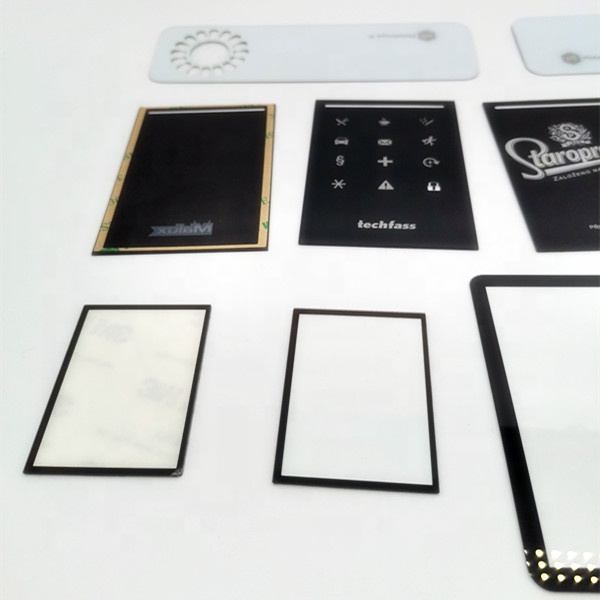
Custom Corning Gorilla Tempered Glass Silk Screen Printing for Touch Screen
Gorilla-grade tempered glass with custom silk-screen printing for touch interfaces. This format combines scratch resistance with a printed icon window, logo area or light-blocking mask in one finished component.
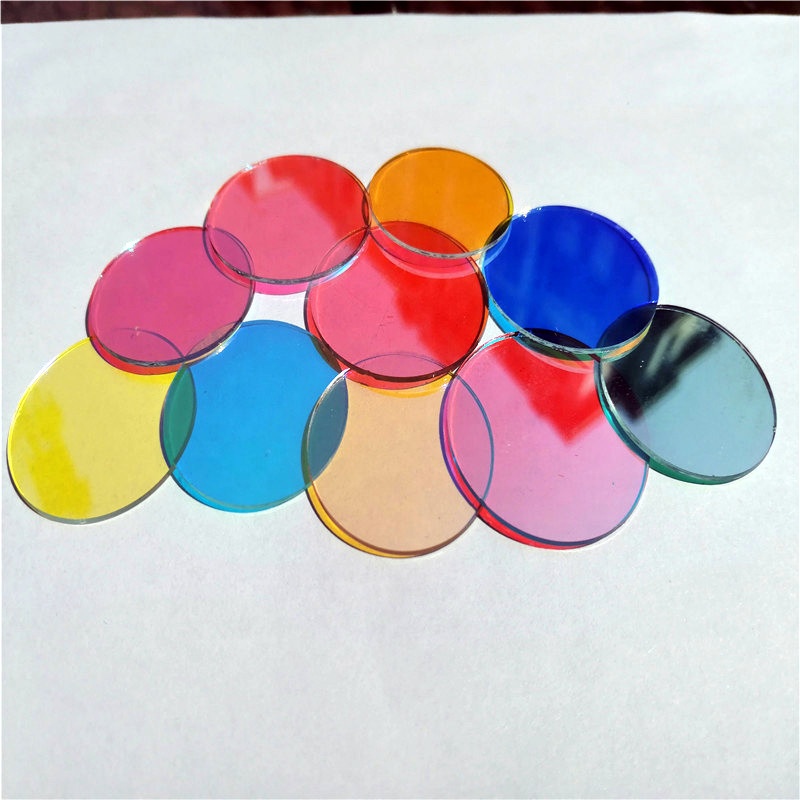
Customize Logo Color Glass Gobo Glass
Customizable color glass gobo for lighting and projection. Suitable for stage, architectural and logo projectors; pattern accuracy, coating durability and heat management should be validated against lamp power.

0.5mm 0.7mm 1mm 2mm 3mm Thickness China Suppliers Good Price Oem Wholesale Premium Tempered Printing Custom Gorilla Glass Screen
A wholesale range of thin 0.5–3 mm Gorilla-type tempered screen glass for OEM projects. Ideal for distributors that need multiple thicknesses, printing, edge finishing and packing under one purchase order.

Custom Shape High Transmittance Ultra Clear Tempered Glass Panel With Anti-reflective Coating on Two Sides
Ultra-clear tempered glass with double-sided AR coating to reduce reflections and increase transmission. Recommended for touch interfaces, optical windows, instruments and high-brightness displays.
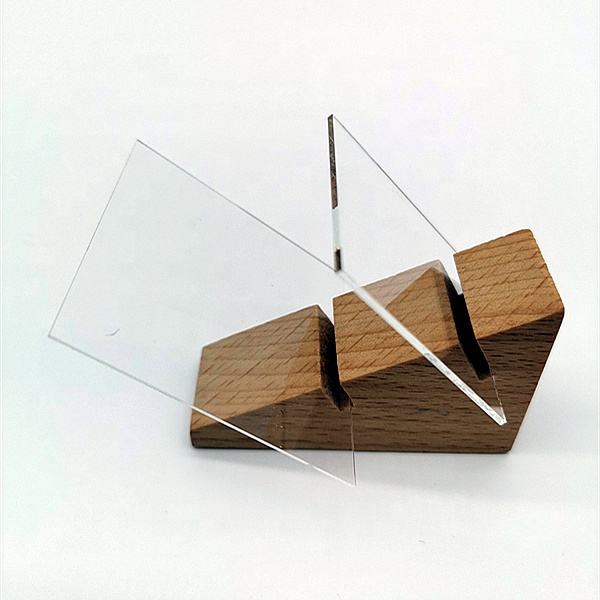
Custom Cut 0.5mm 0.7mm 1mm 1.5mm 2mm 2.5mm 3mm Corning Gorilla Temper Glass
Custom-cut Corning Gorilla tempered glass sheet in thin formats for cover glass, touch sensor protection and display windows. Check drawing review, edge quality and strengthening records before mass production.
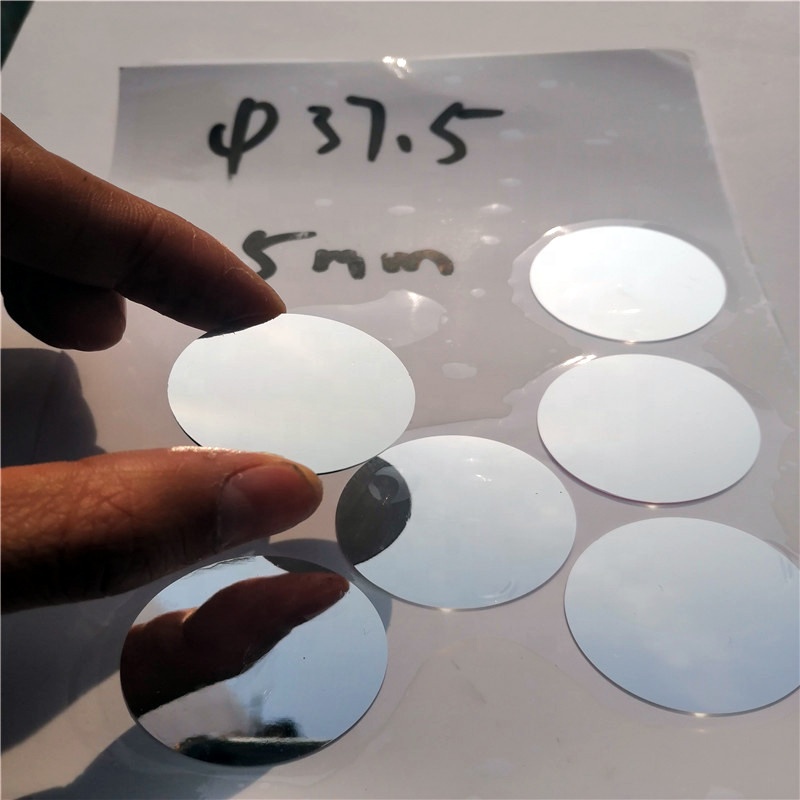
OEM Custom Heat Resistant Gobo Glass Lens
OEM heat-resistant gobo glass lens for high-temperature lighting. Borosilicate-type constructions and precise cut-outs help maintain optical alignment and withstand repeated thermal cycling when the system is properly designed.
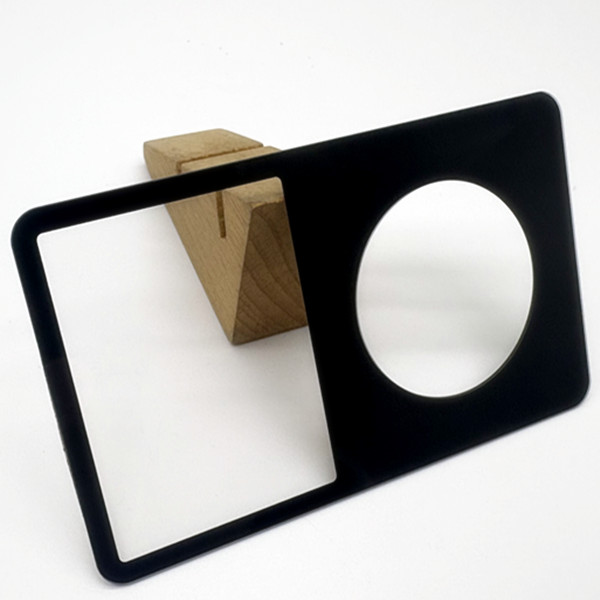
Factory Custom Smart Silkscreen Gorilla Glass Panel Tempered Glass Printing Glass
Factory custom smart silkscreen printed Gorilla glass panel. A finished tempered glass front for smart controls, home electronics and display stacks, with Pantone-matched print and touch-friendly surfaces.
What “China Wholesale Fire Resistant Glass Suppliers & Wholesalers” Really Means
Most procurement teams use this query when they need a repeatable source for fire-rated or heat-resistant glass, yet the phrase covers different product families. Architectural fire-rated glass is tested as a system—frame, glazing, interlayer, seals and installation included. Heat-resistant technical glass, such as borosilicate 3.3, gobo lens glass or tempered display glass, is specified for thermal cycling, optical clarity or mechanical strength. A credible China supplier should separate these needs before quoting.
From a sourcing standpoint, the buying intent is rarely “one sheet of glass.” It is usually “a qualified supplier who can match drawings, maintain optical and dimensional consistency, document material origin, pack for export and scale from samples to repeat orders.” Price matters, but landed cost, rework risk, certification evidence and communication speed often decide the supplier. In wholesale technical glass, the real product is verified conformity, not the lowest quotation.
Fevry Glass Co., Ltd., based in Xinyu, Jiangxi, operates as a specialty glass supplier and custom processor for optical, biological, semiconductor, communications, lighting and electronics customers. Its range includes custom tempered glass, AR-coated glass, silk-screen printed cover glass, Corning Eagle XG, borosilicate 3.3, glass wafers and optical filter glass. The company sources raw glass from Corning, AGC and established Chinese optical-glass makers such as Chengdu Guangming and Xinhuguang, then processes it with laser, ultrasonic, CNC, grinding and inspection equipment imported from the USA, Germany and Japan.
For buyers, that combination matters because fire-resistant and heat-resistant projects often require more than glass cutting. They require engineering review, edge control, strengthening sequence discipline, coating adhesion checks, print color consistency, breakage-resistant packing and documentation that can support customs, installation and warranty decisions. Ask potential wholesalers how they control those steps—not only what price they can quote per piece.
Match the Glass to the Buying Intent, Not Only the Price per Square Meter
Different buyers search under the same “fire resistant glass” umbrella but need different technical outcomes. A useful RFQ starts with the application, test requirement and failure risk.
Architectural fire-rated assemblies
For facades, partitions and doors, the deliverable is a tested assembly with classification evidence. Confirm E, EW or EI performance, the exact glass build-up, compatible frame and installation conditions. Do not approve a loose sheet based only on a material datasheet.
Heat-resistant lighting glass
Gobo lenses, dichroic filters and lighting covers require thermal-shock resistance and stable optical alignment. Borosilicate 3.3, precise cut-outs and coating durability are usually more important than generic “fireproof” wording.
Printed tempered cover glass
Appliance panels, smart-home controls and touch displays need scratch resistance plus accurate print masks. Ask for Pantone references, IR windows, edge profiles and sample approval before production.
AR-coated optical windows
High-transmittance panels with double-sided AR coating reduce glare and improve display contrast. Request coating-side drawings, transmission targets, adhesion testing and handling guidance.
Wholesale Buying Is Moving from “Lowest Price” to “Verifiable Performance”
Fire-resistant glass sourcing is becoming more documentation-driven, application-specific and traceability-focused. These shifts favor suppliers who can prove process control, not just list a product.
Documentation-first purchasing
Buyers increasingly request drawings, inspection reports, material certificates, packing photos and process records before releasing a purchase order. Suppliers that treat documents as part of the product will win repeat programs.
Hybrid demand for fire-rated and technical glass
One buyer may need certified architectural assemblies, while another needs heat-resistant gobo glass or AR display covers. Wholesalers that understand both language sets can reduce miscommunication between engineering and procurement.
Traceable material and lot consistency
Repeat orders fail when glass color, coating appearance or flatness changes between lots. Source traceability and stable raw-glass supply become purchasing criteria, especially for optical and printed applications.
Landed-cost engineering
Smart buyers compare breakage rate, packing cost, rework exposure and lead-time reliability alongside unit price. A slightly higher quotation can be cheaper when it avoids cracked shipments and line stoppages.
Lower-MOQ customization
Distributors and OEMs want faster samples and smaller trial batches before committing to annual volumes. Suppliers with flexible drawing review, sample approval and production scheduling gain earlier design-in opportunities.
Supplier consolidation
Buyers prefer one accountable partner for cutting, strengthening, coating, printing, inspection and export packing. Fewer hand-offs mean clearer responsibility when a wholesale order needs corrective action.
Where Fire-Resistant and Technical Glass Products Are Heading
The next wave of wholesale demand will reward suppliers who can deliver thinner, stronger, more optically precise and better-documented glass components.
Thin chemically strengthened glass
For 0.15–2 mm cover glass, ion-exchange strengthening can increase surface strength while keeping sheets flat and optically clean. Demand is rising for ultra-thin protectors, sensor covers and smart-device interfaces.
AR, AG and AF coating stacks
Anti-reflective, anti-glare and anti-fingerprint surfaces are becoming common in display and instrument glass. Buyers should specify coating side, transmission target, haze limit, adhesion test and handling method.
Printing as a functional layer
Silk-screen printing is no longer only decorative. It defines touch zones, light windows, IR transparency, brand identity and masking. Ceramic inks, Pantone matching and registration tolerance matter more as panels become integrated.
Borosilicate 3.3 for thermal shock
With a thermal expansion coefficient near 3.3 × 10⁻⁶/K, borosilicate 3.3 tolerates temperature change far better than soda-lime glass. It remains a strong choice for lighting covers, gobo blanks, laboratory glass and heat-resistant windows.
Laminated and intumescent fire systems
Architectural fire performance depends on glass build-up, interlayer, edge sealing and framing. Future procurement will increasingly require system-level data rather than a generic “fire-resistant glass” label.
Digital inspection and export packing
Measurement of size, thickness, flatness, edge quality and visual defects is shifting from final inspection to in-process control. Buyers increasingly ask for inspection evidence and packing photos before shipment.
How to Vet China Wholesale Fire Resistant Glass Suppliers
China has many glass traders; fewer are true processors with stable process control. Use this matrix to separate a quotation desk from a supplier that can carry a repeat wholesale program.
| What to verify | Why it matters | Evidence to request |
|---|---|---|
| Fire classification and system fit | E, EW and EI performance are not interchangeable, and fire performance is tied to the complete assembly. | Test standard, classification report, glass build-up, frame details, installation limits and project references. |
| Material origin and datasheet | Optical, thermal and mechanical behavior depends on the substrate, not only the finish. | Material certificate, manufacturer datasheet, lot traceability and confirmation that the offered glass matches the drawing. |
| Drawing and tolerance capability | Fire-rated and technical glass often fails at edges, holes, notches or flatness rather than in the middle of the panel. | DWG/DXF review, tolerance table, first-article inspection report, edge profile photos and measurement records. |
| Strengthening sequence | Tempered or chemically strengthened glass cannot be cut or drilled after strengthening. Process order controls breakage risk. | Process flow, travel card, confirmation that all cutting and edge grinding occur before strengthening, and rework policy. |
| Coating and print durability | AR coating or printed ink that fails adhesion can ruin an otherwise acceptable glass panel. | Adhesion test, haze/transmission data, Pantone match, sample under specified lighting and cleaning instructions. |
| Optical and visual inspection | Scratches, bubbles, coating marks and color variation affect display and lighting applications. | Inspection standard, sample photos, defect limit table and final inspection report before packing. |
| Export packing and loading plan | Thin glass can survive processing yet fail in transit if packing is not engineered for the route. | Packing drawing, interleaving material, edge protection, crate weight, pallet plan, packing photos and shipping terms. |



Why Fevry Glass Is Built for Custom Wholesale Programs
Fevry Glass Co., Ltd. is a specialty glass supplier based in Xinyu, Jiangxi, China. Drawing on years of hands-on work with optical, biological, semiconductor, communications, lighting and electronics customers, the company helps engineers select the right substrate and turn it into a finished, export-ready part.
The supplier’s working range covers custom tempered glass, AR-coated glass, silk-screen printed cover glass, Corning Eagle XG, borosilicate 3.3, glass wafers, optical filter glass and heat-resistant lighting glass. Raw materials are sourced from Corning, AGC and established Chinese optical-glass makers such as Chengdu Guangming and Xinhuguang, giving buyers a more traceable starting point for repeat projects.
- Cut-to-drawing processing for 0.15–4 mm technical glass, with custom outlines, holes, notches and edge profiles.
- Thermal tempering for thicker panels and ion-exchange chemical strengthening for thin glass, typically 0.15–2 mm.
- Double-sided AR coating, dichroic and optical coatings, Pantone-matched silk-screen printing, back painting and protective films.
- Laser, ultrasonic, CNC carving, grinding and inspection equipment imported from the USA, Germany and Japan.
- Verified supplier signals on Alibaba.com, including supplier assessment, buyer ratings, trade capacity and credit profile records.
- Export packing planned for fragile thin glass, with samples available to validate fit, color and optical performance before mass production.
Buyers can also review the company’s public verification pages before requesting a quotation. For drawing-based projects, send outline dimensions, tolerances, thickness, material, edge finish, strengthening method, print colors, AR coating sides, application and annual quantity.
Send an InquiryCommon Questions About Fire-Resistant Glass Sourcing in China
These are the questions engineers and sourcing managers ask most often when comparing Chinese wholesalers for fire-rated and heat-resistant glass projects.
Are fire-resistant glass and heat-resistant glass the same product?
No. Fire-resistant architectural glass is classified and tested as part of an assembly for integrity, radiation control or insulation. Heat-resistant technical glass, such as borosilicate 3.3 or gobo lens glass, is designed for thermal shock and high-temperature lighting, but that does not automatically make it a certified fire barrier. Ask for the exact test standard, classification, glass build-up, frame system and installation conditions. A generic “fireproof glass” statement is not enough for code compliance.
How can I verify a China wholesale supplier before placing an order?
Start with company identity, factory address, process capability, supplier assessment records, buyer reviews and transaction history. Then request a sample made to your drawing and evidence for material origin, dimensional inspection, edge quality, coating adhesion and print color. For fire projects, require test reports tied to the offered assembly, not just a material datasheet. Fevry Glass publishes supplier assessment, ratings, trade capacity and credit profile links so buyers can review signals before committing.
Which material should I choose—soda-lime, borosilicate 3.3, Gorilla-type, or Eagle XG?
Use ultra-clear soda-lime or chemically strengthened glass for general display covers and printed panels; choose Gorilla-type aluminosilicate when scratch resistance and thinness matter; use borosilicate 3.3 for heat-resistant windows, gobo blanks and lighting where thermal shock is the risk; and select Corning Eagle XG for biochips, wafers, PLC substrates and micro-optics that need alkali-free, low-expansion, flat substrates. Final selection should be confirmed against temperature, optical, strength and test requirements.
Can Fevry customize size, shape, holes, printing and AR coating?
Yes. Fevry processes glass to drawing with CNC, laser, ultrasonic cutting and grinding, then applies strengthening, coating or printing where specified. Typical options include custom outlines, holes, notches, edge profiles, thermal tempering or chemical strengthening, one- or two-sided AR coating, dichroic/filter coatings, Pantone-matched silk-screen printing, back painting and protective films. Send a DWG, DXF or PDF drawing with tolerances, material, thickness and application details.
What are the MOQ and lead-time expectations?
MOQ depends on material and process. The original supplier guidance for this range is usually 300–500 pieces for many custom cover and AR glass items, 1,000 pieces for selected Corning Eagle XG cut parts and as low as 10 pieces for certain gobo glass blanks. Lead time is confirmed after drawing review and sample approval; it varies with coating, printing, strengthening and packing complexity. Always ask for a production schedule with sample, mass production and shipping milestones.
What should be included in an RFQ to get an accurate quotation?
Include a 2D drawing with dimensions and tolerances, material and thickness, edge finish, hole and notch positions, strengthening method, coating sides, print colors using Pantone references, application, annual volume and target market. For fire-rated work, add the required classification, test standard and system details. A complete RFQ reduces revision cycles and makes supplier comparisons meaningful.
How do you reduce breakage and quality risk during export packing?
Thin glass should be interleaved, cushioned and packed in reinforced export cases with edge protection. Ask for packing photos, carton or crate dimensions, gross weight and palletization details. For repeat wholesale programs, agree on handling icons, desiccant, moisture protection, drop-test or vibration-test requirements and a sample carton before mass shipment. Fevry plans export packing for fragile thin glass and can document packing before dispatch.
Can I get samples and a small trial order before mass production?
Yes. Sampling is the practical way to validate fit, edge quality, color, coating appearance and optical performance. For custom work, the sample should be produced to the same drawing and process route as mass production. Confirm whether sample cost is refundable against the bulk order, how long approval takes and which dimensions will be measured. A disciplined sample approval stage usually lowers total sourcing risk more than it adds cost.
Turn your fire-resistant or heat-resistant glass requirement into a quoted, drawing-based supply program.
Send your drawing, target classification, annual volume and destination. Fevry Glass engineers typically reply within 4 hours with a practical material recommendation, MOQ and sample path.
Send an InquiryEmail: info@fevryglass.com · Export markets: Western Europe, United States, Japan, South Korea, Taiwan, Hong Kong and Southeast Asia.