Precision Glass Products Recommended for 2025 Wholesale Programs
These are the product families international buyers commonly request when benchmarking Chinese quartz glass factories, specialty glass processors and custom cover-glass wholesalers. Compare material, dimensions, coating, printing, strengthening and end use before sending an RFQ.
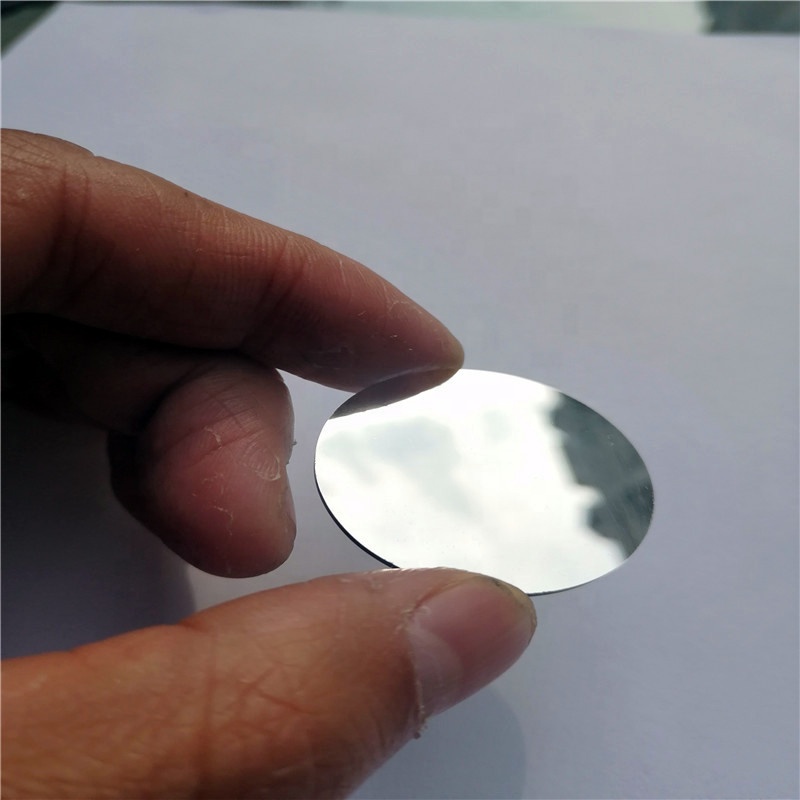 Lighting optics
Gobo Glass / Dichroic Mirror Lighting Filters Glass Lens
Heat-tolerant gobo blanks and dichroic lighting filters for stage, film, architectural and high-power LED optical systems.
View product details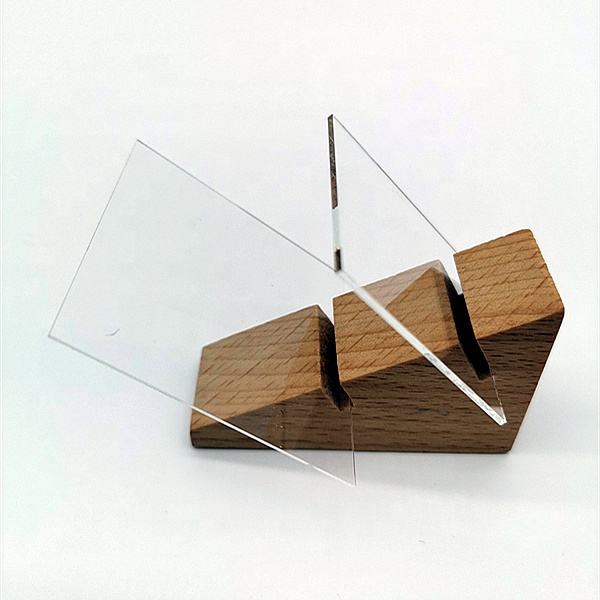 Cover glass
Custom Cut 0.5mm 0.7mm 1mm 1.5mm 2mm 2.5mm 3mm Corning Gorilla Temper Glass
Cut-to-drawing strengthened glass for scratch-resistant covers, touch interfaces, sensors and electronic display windows.
View product details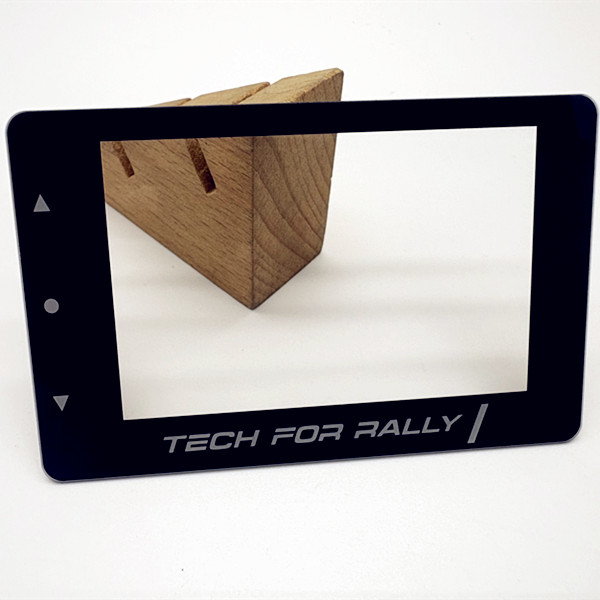 Printed + AR
Customize Tempered Glass Silk Printed AR Coating Gorilla Glass LCD Screen Protection Display
Printed, anti-reflective cover glass for LCD protection, HMI panels, instruments and display windows that require low glare.
View product details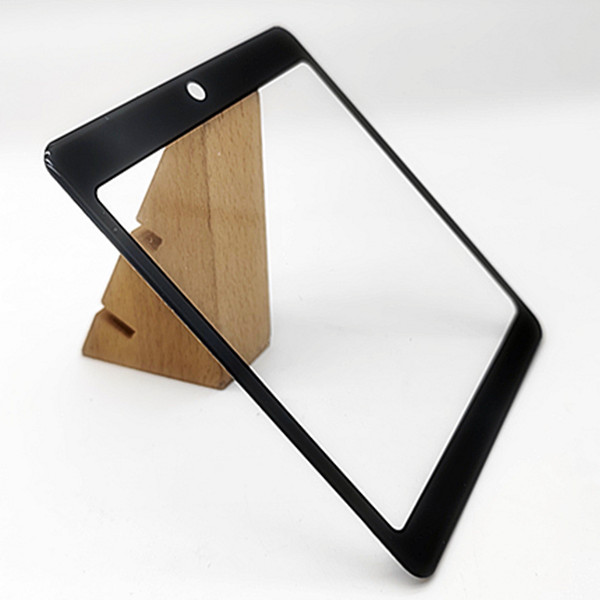 Electronic covers
Ultra Clear Gorilla Glass Panel with Silk Screen Printing for Electronic Device
High-clarity printed cover glass for smart-home controls, appliance panels, industrial HMI and device display windows.
View product details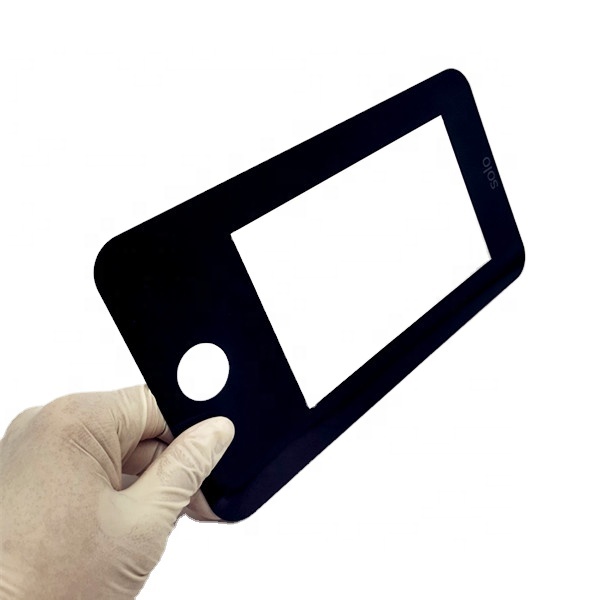 OEM tempered
Manufacturer OEM Wholesale Custom Unbreakable Tempered Glass, High Quality Tempered Glass, Low Iron Tempered Glass Manufacturer
Low-iron tempered glass for OEM buyers who need impact resistance, high clarity and consistent optical appearance.
View product details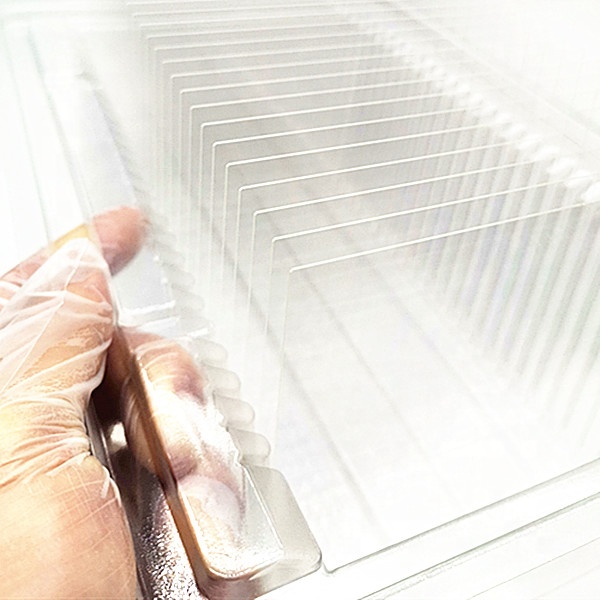 Ultra-thin
Custom Chemically Ultra Thin Clear Transparent Tempered Glass Sheet
Ion-exchange strengthened thin glass for protective covers, precision sensor windows and compact electronic assemblies.
View product details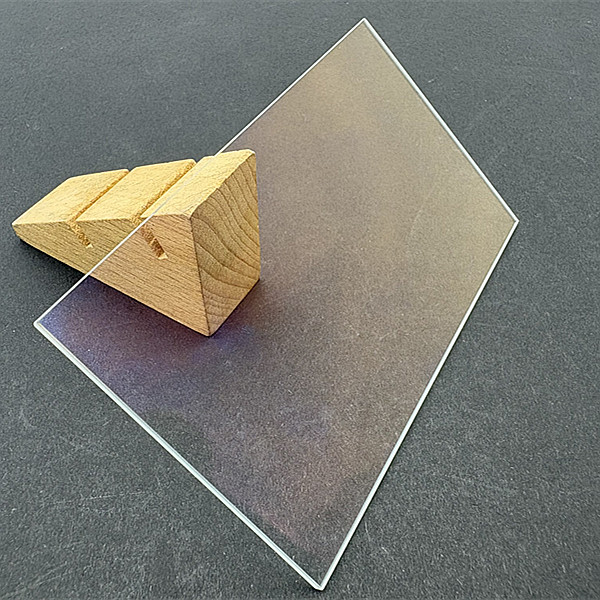 AR coated
Customized Tempered Anti-Reflective Glass AR Coated Tempered Glass
AR-coated tempered glass with reduced surface reflection for displays, optical instruments, lighting and inspection windows.
View product details Wholesale screens
0.5mm 0.7mm 1mm 2mm 3mm Thickness China Suppliers Good Price OEM Wholesale Premium Tempered Printing Custom Gorilla Glass Screen
OEM Gorilla glass screen program with multiple thickness options, custom printing and export-ready packaging.
View product detailsWhat “Top Quartz Glass Factories & Wholesalers” Means for Serious Buyers
China is not a single glass market. It is a connected network of raw-glass producers, cutting and edging workshops, strengthening plants, coating houses, printing specialists, inspection teams and export traders. The phrase “top quartz glass factories and wholesalers” can therefore describe very different business models. A factory may own only part of the process and outsource coating or strengthening. A wholesaler may aggregate several qualified processors. For technical buyers, the better question is not simply “Who sells quartz glass?” but “Who can demonstrate material traceability, process control and repeatable output for my drawing?”
Fevry Glass Co., Ltd. is positioned as a processing-led specialty glass supplier based in Xinyu, Jiangxi, China. Its product scope includes custom tempered glass, anti-reflective AR-coated glass, silk-screen printed Gorilla glass, ultra-thin chemically strengthened glass, borosilicate 3.3, Corning Eagle XG, glass wafers, optical filters, gobo glass and dichroic lighting glass. The breadth matters because buyers increasingly want fewer hand-offs: one supplier who can discuss the substrate, review the drawing, coordinate strengthening and coating, check print color, and pack fragile parts for export.
For procurement teams, information gain comes from asking for the right evidence early. Request the material datasheet, edge-finish drawing, coating transmission target, Pantone color reference, strengthening method, flatness criterion and packaging specification. These seven items turn a “price per piece” discussion into a total-cost-of-ownership evaluation that includes yield, field returns, rework and shipping damage.
Three Buyer Intents Behind the Query
The keyword “China top quartz glass factories and wholesalers” mixes commercial discovery, engineering selection and risk reduction. A useful sourcing page must answer all three, not just repeat supplier adjectives.
Supplier discovery intent
Words such as “top,” “factory” and “wholesaler” signal supplier shortlisting. Buyers need verifiable proof: online trading history, response behavior, export markets, inspection records and a clear process route.
Material selection intent
“Quartz glass,” “borosilicate,” “AR-coated” and “tempered” indicate that the buyer may still be defining the substrate. Clear material properties, thickness ranges and application fit reduce costly specification errors.
Procurement risk intent
MOQ, sample approval, lead time, breakage rate and packaging are usually more important than headline price. A supplier who manages fragile custom glass shipping well protects the buyer’s launch schedule.
In commercial trade, “quartz glass” is sometimes used loosely. Fused quartz or fused silica, borosilicate 3.3, alkali-aluminosilicate Gorilla glass and ultra-clear soda-lime glass are not interchangeable. A responsible supplier should confirm the exact substrate, coefficient of thermal expansion, transmission target and strengthening route before quoting. The specification should always begin with the datasheet and application environment, not with a generic material name.
How to Evaluate China Quartz Glass Factories Before You Send an RFQ
Use the same discipline you would apply to any precision component supplier. The strongest shortlist is built on process evidence, sample data and commercial responsiveness.
1. Material traceability
Ask whether the substrate is branded, lot-traceable and supported by a datasheet. Fevry sources raw glass from Corning, AGC and other multinational producers and works with established Chinese optical-glass makers such as Chengdu Guangming and Xinhuguang.
2. Process depth
Confirm who performs laser cutting, CNC carving, ultrasonic machining, edge grinding, strengthening, coating, printing and final inspection. Each outsourced step introduces a new quality and communication boundary.
3. Strengthening fit
Thermal tempering is generally suited to thicker glass, often around 3 mm and above. Chemical strengthening by ion exchange is used for thin glass, including 0.15–2 mm cover glass, where flatness and optical clarity are critical.
4. Coating and printing control
AR coating side, reflection target, dichroic color and silk-screen opacity should be documented. Pantone references, ink windows and IR-transparent areas need to be confirmed in the sample stage.
5. Inspection evidence
Ask how dimensional tolerances, thickness, flatness, edge chips, coating defects and print alignment are checked. A supplier should be able to describe in-line checks as well as pre-pack final inspection.
6. Export discipline
Fragile thin glass requires interleaved, cushioned packing and clear labeling. Review whether the supplier routinely exports to Western Europe, the United States, Japan, South Korea, Taiwan, Hong Kong or Southeast Asia.



Why Fevry Glass Is a Practical Partner for China Glass Sourcing
Fevry Glass Co., Ltd. is a specialty glass company based in Xinyu, Jiangxi, China. Its experience is built on hands-on work with optical, biological, semiconductor, communications, lighting and electronics customers. Rather than treating glass as an undifferentiated commodity, Fevry helps engineers select a substrate and turn it into a finished, export-ready part.
Material sourcing is deliberately multi-origin. Raw glass is sourced from Corning, AGC and other multinational producers, with collaboration among established Chinese optical-glass makers such as Chengdu Guangming and Xinhuguang. Processing relies on laser, ultrasonic, CNC carving, grinding and inspection equipment imported from the USA, Germany and Japan. Capabilities cover custom outlines, holes and notches, edge grinding, thermal tempering, chemical strengthening, AR and dichroic coating, silk-screen printing, back painting, dimensional checks, optical inspection and export packing.
- Corning Eagle XG, borosilicate 3.3 and transparent ceramic glass
- Semiconductor wafers and biochip glass substrates
- PLC substrates and optical V-groove glass
- Film, TV and stage lighting color lenses
- LED filament and optical coating glass
- 0.15 mm and 0.2 mm ultra-thin protector glass
The company’s quality principle is “Quality is superior, service is supreme, reputation is first,” supported by the motto “Your success, our glory.” Commercial signals include more than 10 years as an Alibaba.com member, an average response time of 4 hours or less, a 100% inquiry response rate, a 5.0/5 buyer rating and exports to Western Europe, the United States, Japan, South Korea, Taiwan, Hong Kong and Southeast Asia. For buyers who need a single accountable partner for mixed custom glass parts, these are practical due-diligence points rather than decoration.
Match the Glass Substrate to the Application, Not the Catalog Label
Use typical industry properties for preliminary selection, then confirm final values against the manufacturer datasheet and your drawing.
Borosilicate 3.3
Low-expansion sheet glass for lighting covers, gobo blanks, heat-resistant windows, laboratory glass and instruments.
Corning® Eagle XG
Boro-aluminosilicate glass with low thermal expansion and fusion-formed flatness for biochips, wafers and PLC substrates.
Gorilla® / alkali-aluminosilicate
Ion-exchange strengthened cover glass for touch panels, LCD protection, smart-home controls and device windows.
Ultra-clear soda-lime
AR-coated cover glass, printed display windows and general electronic panels where high clarity and cost balance matter.
What Will Change in China Glass Sourcing from 2025 to 2030
Price benchmarking will remain important, but qualified buyers are shifting toward evidence-based sourcing, dual qualification and total landed cost.
Traceability becomes a contract attachment
Material origin, glass lot, coating batch, print color and inspection results will increasingly be documented in the purchase order rather than discussed informally. Buyers want records that survive an audit.
Dual sourcing without double qualification
Procurement teams want a second qualified route for the same drawing. Suppliers with clear process documentation and repeatable sample approval can make a backup source practical rather than theoretical.
Total landed cost replaces lowest piece price
Breakage, rework, delayed assembly, coating rejects and packing failures often cost more than a few cents per part. The winning quote is the one with predictable yield and low field-return risk.
Customization moves closer to the assembly line
Buyers increasingly ask Chinese processors to supply cut, strengthened, printed, AR-coated and individually packed parts, reducing internal handling and shortening the path from component to finished product.
Where Quartz and Specialty Glass Products Are Moving Next
Product development is being driven by thinner devices, higher optical performance, harsher lighting environments and more demanding biotech and semiconductor workflows.
Ultra-thin chemically strengthened glass
Thinner cover glass for sensor windows, wearables and compact electronics will continue to shift toward ion-exchange strengthening where flatness and optical clarity matter.
AR-coated cover glass for low glare
Anti-reflective coatings on one or both sides are becoming standard for displays, inspection windows and optical instruments where reflection reduces readability.
Silk-screen printed Gorilla glass
Printed borders, logos, icon windows and IR-transparent ink areas help integrate cover glass into branded smart-home, automotive and appliance designs.
Heat-resistant borosilicate and gobo glass
High-power stage and architectural lighting requires low-expansion blanks and dichroic filters that tolerate heat without losing optical stability.
Eagle XG and glass wafers for micro-fabrication
Alkali-free substrates and wafers support biochips, MEMS, bonding carriers, optical communication and analytical instrumentation requiring dimensional stability.
Dichroic and optical filter integration
Lighting, imaging and optical communication designs increasingly combine coated filters, dichroic mirrors and custom-shaped glass in one qualified assembly.
Where China-Sourced Precise Glass Performs
Applications determine the material, tolerance, coating and packing strategy. A lighting blank and a biochip substrate should never be sourced on the same generic specification.
Displays and electronics
LCD protection glass, smart-home panels, touch covers, appliance windows and automotive dashboard trims with printing and AR options.
Stage and LED lighting
Gobo blanks, dichroic color lenses, LED filament glass and heat-resistant lighting covers for high-output fixtures.
Biotech and life science
Biochip substrates, analyzer filters, microscopy glass and low-fluorescence platforms requiring flat, stable surfaces.
Semiconductor and optics
Glass wafers, PLC substrate glass, V-groove glass and optical filter blanks for communication and measurement systems.
Common Questions About Sourcing Quartz and Specialty Glass from China
Straight answers for engineers, sourcing managers and quality teams comparing Chinese glass factories and wholesalers.
How can I tell whether I need quartz glass, borosilicate 3.3 or Gorilla glass?
Start with the application environment. For high thermal shock, low expansion and heat-resistant windows or gobo blanks, borosilicate 3.3 is often appropriate. For scratch-resistant display covers and touch surfaces, chemically strengthened alkali-aluminosilicate glass such as Gorilla glass may be the better route. For high-purity optical, biotech or semiconductor-adjacent substrates, confirm whether fused silica or an alkali-free grade such as Corning Eagle XG is actually required. The supplier should verify the datasheet rather than treating “quartz glass” as a generic term.
Should I choose thermal tempering or chemical strengthening?
Thermal tempering is generally used for glass around 3 mm and thicker. For ultra-thin cover glass from 0.15 mm to about 2 mm, chemical strengthening by ion exchange increases surface strength while maintaining flatness and optical clarity. In both cases, cutting, drilling and edge grinding must be completed before strengthening because the glass cannot be re-cut afterwards without losing the strengthened zone.
What information should I send with an RFQ for an accurate quote?
Send a 2D drawing in DWG, DXF or PDF with outline dimensions and tolerances; specify thickness, glass material, edge finish, hole and notch positions, strengthening method, print colors with Pantone references, AR coating side or transmission target, end application and expected annual quantity. Complete information lets engineers recommend a manufacturable material and process route in one round instead of multiple clarifications.
What MOQ and sample arrangements are typical?
Many custom cover glass and AR glass items start from 300 to 500 pieces. Some custom-cut Corning Eagle XG parts start from 1,000 pieces, while selected gobo glass blanks can start from around 10 pieces. Samples can be arranged to validate fit, color matching and optical performance before mass production. The exact MOQ depends on material availability, size, coating, printing and how the parts are nested for cutting.
How do I verify a China glass factory before placing an order?
Review the supplier’s online trading history, buyer rating, transaction records and any third-party assessment available. Ask for a process route, material datasheet and sample lead time. Confirm who performs strengthening, coating and printing, and request inspection criteria for dimensions, flatness, chips, coating defects and print alignment. Fevry Glass provides publicly visible Alibaba.com trading signals and company verification channels that buyers can review before committing.
Which markets does Fevry Glass serve, and how are fragile parts packed?
In addition to customers in China, Fevry Glass regularly exports to Western Europe, the United States, Japan, South Korea, Taiwan, Hong Kong and Southeast Asia. Thin and coated glass is interleaved and cushioned for international shipping, with labels and packing plans designed to reduce edge chips, coating abrasion and breakage. Buyers can request a packing confirmation before dispatch.
Send a Drawing, Get a Manufacturing Route—Not Just a Price
Share your dimensions, material, coating, printing, annual volume and target date. Fevry Glass can confirm manufacturability, recommend a substrate and sample plan, and help you compare the right product family before production begins. Typical inquiry response time is within 4 hours.
Prefer email? Send drawings and specifications to info@fevryglass.com for an engineering review.