8 Complementary Products for Integrated Glass Sourcing
Fused silica plate projects rarely stand alone. OEMs often consolidate adjacent glass components—cover glass, tempered display windows, AR-coated panels, borosilicate filters and printed Gorilla® glass—into one qualified supply chain. The products below reflect the precision glass capabilities behind Fevry Glass fused silica plate inquiries.

Custom 0.2mm 0.3mm 0.4mm 0.5mm 0.7mm 1mm Alkali Free Borosilicate AF32 Glass
Thin, alkali-free glass for display windows, sensor covers and chemically sensitive electronics.
View Product →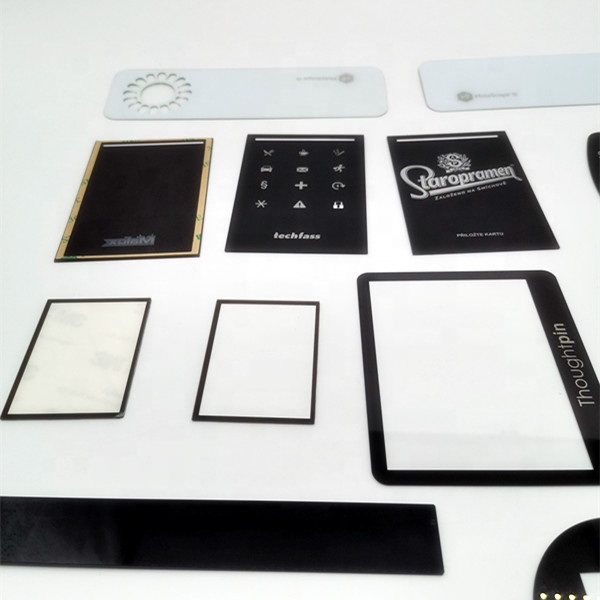
Custom Display Screen Silk Screen Printing Tempered Gorilla Glass
Tempered, printed cover glass for touch interfaces, instrument panels and industrial displays.
View Product →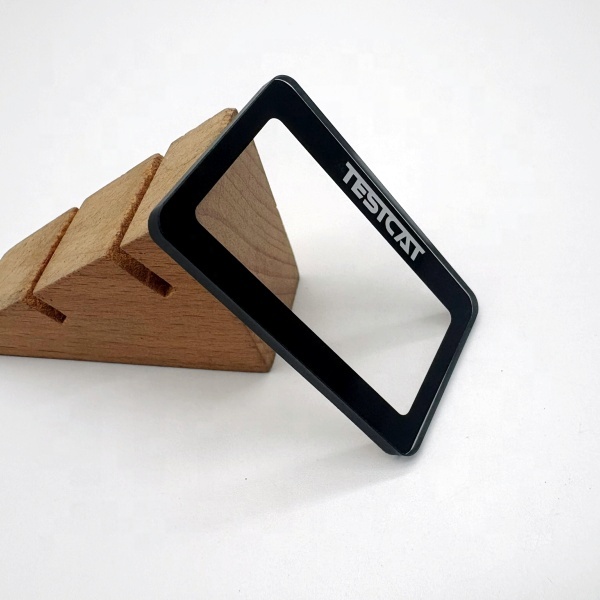
Custom Gorilla Glass Panel Tempered Glass Display Window Silk Screen Printing for LCD Display
Precision-printed display windows with strengthened glass for LCD protection.
View Product →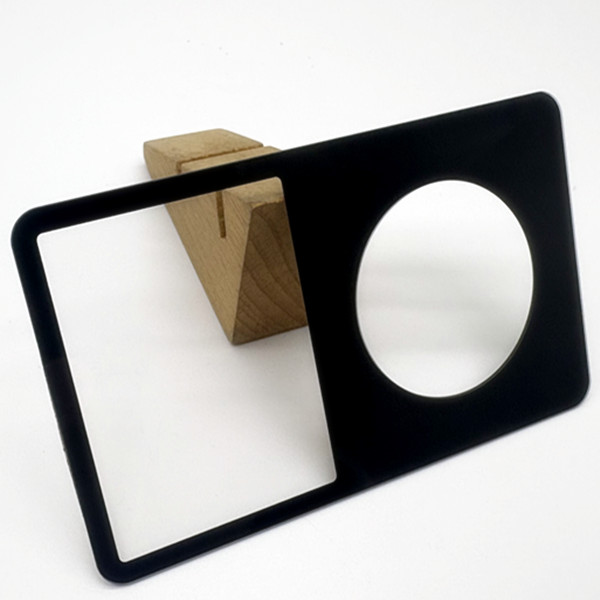
Factory Custom Smart Silkscreen Gorilla Glass Panel Tempered Glass Printing Glass
Custom silkscreen patterns and functional windows for smart-home and appliance panels.
View Product →
Customized Tempered Anti-Reflective Glass AR Coated Tempered Glass
AR-coated surfaces reduce glare and improve transmission for optical and display assemblies.
View Product →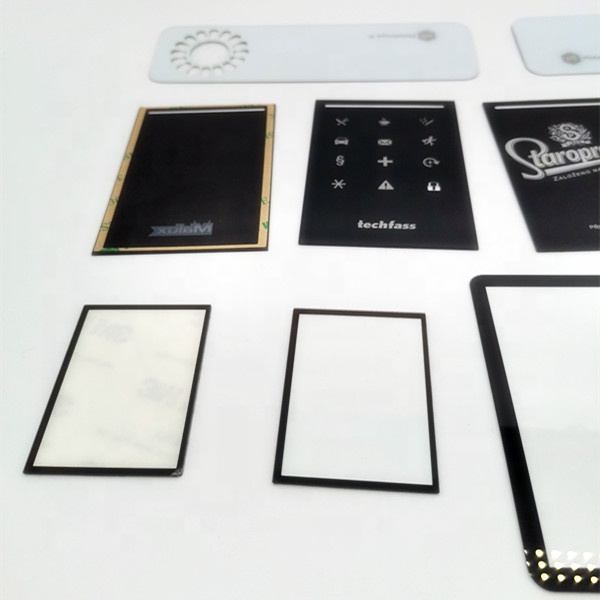
Custom Corning Gorilla Tempered Glass Silk Screen Printing for Touch Screen
Scratch-resistant touch screen glass with customized border, logo and icon printing.
View Product →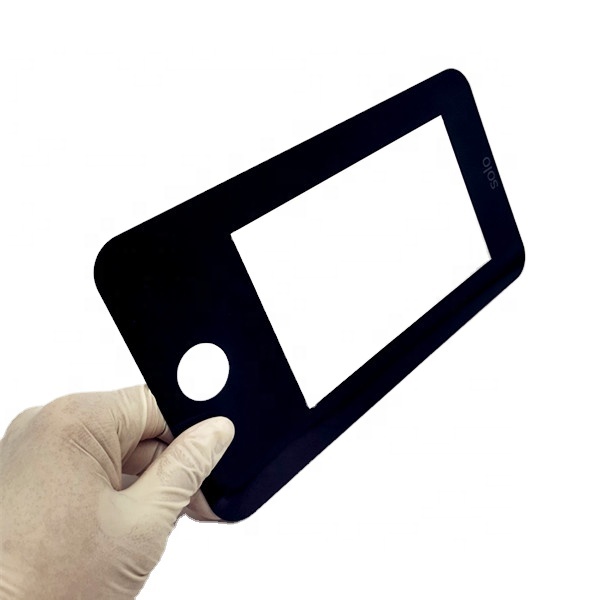
Manufacturer OEM Wholesale Custom Unbreakable Tempered Glass, High Quality Tempered Glass, Low Iron Tempered Glass Manufacturer
High-clarity, low-iron tempered glass for premium appliance and display covers.
View Product →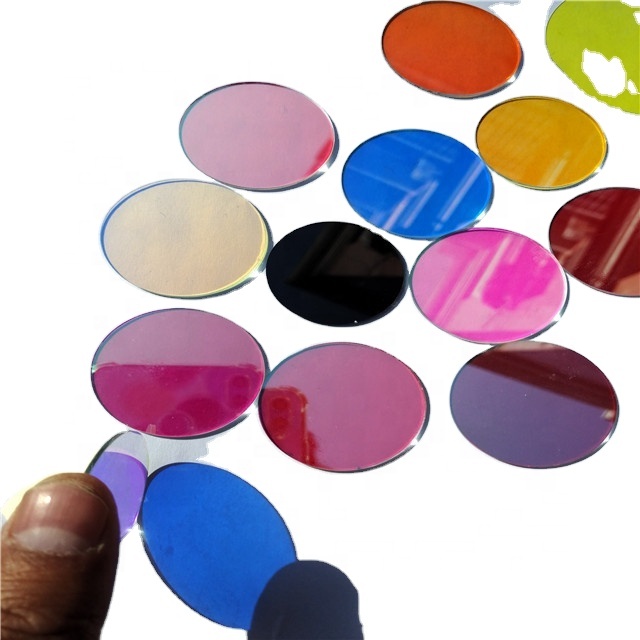
Heat Resistant Borosilicate 3.3 Dichroic Glass Filter
Heat-tolerant dichroic filters for lighting, imaging and optical filtering applications.
View Product →Evidence Buyers Can Review Before Sending an RFQ
Fused silica plates are high-value technical components. Procurement teams should qualify the supplier’s communication speed, trading record and technical responsiveness—not only the quoted piece price.
Original company advantages referenced: Fevry Glass is based in Xinyu, Jiangxi, China; serves optical, biological, semiconductor, communications, lighting and electronics customers; and exports to Western Europe, the United States, Japan, South Korea, Taiwan, Hong Kong and Southeast Asia.
Why Fused Silica Plate Is a Strategic Material, Not a Commodity
Fused silica is an amorphous, high-purity silicon dioxide material with a combination of optical, thermal, electrical and chemical properties that ordinary soda-lime glass cannot match. For engineers, the value is performance. For procurement teams, the challenge is qualification.
Fused silica plate—sometimes called fused quartz plate, synthetic fused silica substrate or high-purity SiO₂ plate—is specified when a project needs low thermal expansion, broad-spectrum optical transmission, high dielectric strength, chemical inertness and excellent dimensional stability. It appears in semiconductor process equipment, photolithography subsystems, laser windows, analytical instrument optics, UV curing systems, high-temperature viewports, vacuum chamber windows, microfluidic devices and precision metrology fixtures.
The sourcing difficulty is not simply finding a supplier with a cutting machine. Fused silica is brittle, hard and sensitive to subsurface damage. Cutting, edging, lapping, polishing, cleaning and inspection must be controlled as a chain. A supplier that treats fused silica like ordinary cover glass may deliver parts with edge chips, haze, residual stress, poor flatness or contamination that only appear after coating, bonding or high-temperature cycling.
A serious China fused silica plate manufacturer should provide material grade clarification, drawing-based tolerance review, edge-finish definition, surface-quality inspection, cleaning protocol and export-safe packaging. The supplier should also explain which steps are performed in-house and which are subcontracted. Transparency here is a leading indicator of long-term reliability.
- Optical grade: high transmission from UV to near-IR, low bubble and inclusion content, controlled OH level.
- Semiconductor grade: strict metallic impurity control, low particle contribution and stable dimensional behavior.
- High-temperature grade: thermal shock resistance for windows, viewports and furnace components.
- General industrial grade: cost-balanced plates for insulation, spacers and non-imaging applications.
What a Strong RFQ Package Includes
- 2D drawing in DWG, DXF or PDF with outline dimensions and tolerances.
- Material grade, thickness, OH content preference and application environment.
- Flatness, parallelism, surface quality and edge-finish requirements.
- Coating needs: AR, dichroic, metallization or custom thin-film stacks.
- Cleaning, packaging and documentation requirements.
- Prototype quantity, annual volume and expected delivery schedule.
Engineering Comparison: Fused Silica vs. Borosilicate vs. Soda-Lime Glass
| Material | Typical Silica Content | CTE (×10⁻⁶/K) | Optical & Thermal Behavior | Best-Fit Applications |
|---|---|---|---|---|
| Fused silica plate | >99.9% SiO₂ | ≈0.5 | Broad UV–IR transmission; excellent thermal shock resistance; high dielectric strength. | Semiconductor, laser optics, high-temperature windows, precision instruments. |
| Borosilicate 3.3 | ≈80% SiO₂ | ≈3.3 | Good thermal shock resistance; visible-range clarity; cost-effective technical glass. | Lighting covers, gobo filters, laboratory glass, heat-resistant windows. |
| Soda-lime glass | ≈70% SiO₂ | ≈9.0 | Economical, formable and printable; lower thermal and chemical durability. | Consumer display covers, appliance panels, decorative windows. |
| Chemically strengthened thin glass | Base-glass dependent | Depends on base glass | High surface strength in thin formats; can be printed and AR-coated. | Ultra-thin protectors, sensor covers, touch interfaces. |
Typical industry values are shown for preliminary selection only. Final fused silica plate specifications should be confirmed against the raw material datasheet, drawing and application validation plan.
How to Vet a China Fused Silica Plate Manufacturer
Use six practical checks to separate a capable technical glass partner from a trading intermediary that cannot control quality at the process level.
1. Material Traceability
Ask for the fused silica grade, impurity profile, OH level, lot identification and raw material source. A qualified supplier should be able to link finished plates to the incoming material batch and document any exceptions.
2. Drawing-Based Engineering
Send a real drawing and observe whether the response identifies manufacturability risks—edge chips, hole placement, thickness-to-size ratio, flatness measurement method, coating mask areas and handling constraints.
3. Process Control
Clarify cutting, CNC shaping, edge grinding, lapping, polishing, cleaning, coating and inspection steps. Fused silica requires careful control of subsurface damage and contamination before any high-value coating or bonding operation.
4. Inspection & Metrology
Require a measurement plan for dimensions, thickness, parallelism, flatness, surface quality, edge condition and—where applicable—transmission, haze, bubbles or inclusions. Inspection criteria should match the application.
5. Export Packaging
Fused silica plates can fail in transit if edges rub or surfaces contact hard packaging. Confirm interleaving, edge protection, moisture control, shock absorption, crating and labeling before shipment.
6. Communication Speed
Fast, technically literate communication reduces engineering cycles. Fevry Glass reports a ≤4 hour average response time, 100% inquiry response rate and a 5.0/5 buyer rating on verified records.
Future Procurement Trends for Fused Silica Plates
Buyers are shifting from transactional purchasing toward risk-managed technical sourcing. The following trends will shape RFQs, supplier scorecards and qualification programs between 2025 and 2030.
Dual Sourcing Becomes Standard
OEMs are qualifying a primary and secondary fused silica plate supplier to reduce geopolitical, logistics and single-factory risk. Documentation portability—drawings, inspection plans and material certificates—matters more than ever.
Total Cost of Ownership Wins
Procurement teams increasingly evaluate scrap rate, coating yield, cleaning cost and assembly downtime—not just unit price. A slightly higher quoted price can be the lowest total cost when flatness and edge quality are stable.
Digital & Traceable RFQs
3D models, digital inspection records, lot traceability and revision-controlled drawings are becoming normal expectations. Suppliers that can return clear technical comments in the first RFQ round shorten qualification time.
Sustainability Is Entering Scorecards
Energy-efficient melting, cleaner polishing processes, recyclable packaging and reduced breakage in transit are becoming part of supplier evaluation. For buyers, lower damage and longer service life are practical sustainability gains.
Product Development Trends for Fused Silica Plates
Demand is moving toward tighter integration between material performance, optical coating and application-specific inspection. These trends will influence drawings and specification language.
Larger and Thinner Plates
Larger monolithic plates reduce assembly joints, while thin formats support compact optical stacks. Both directions demand better flatness control, handling discipline and packaging design.
Tighter Flatness & Surface Quality
Laser systems, interferometry and semiconductor inspection equipment require lower wavefront distortion and tighter surface specifications. Surface quality is increasingly tied to final functional yield.
Integrated Optical Coatings
AR, dichroic, reflective and custom thin-film stacks are being specified together with the silica substrate. Coating compatibility with cleaning, bonding and high-temperature exposure must be validated early.
Application-Specific Grades
Instead of generic “fused silica,” buyers are defining grade by application: UV transmission, laser damage threshold, semiconductor cleanliness, low OH, high OH, or thermal shock windows.
Why Fevry Glass Is a Practical China Manufacturing Partner
Fevry Glass Co., Ltd. combines specialty glass sourcing, custom processing and export experience. The company’s capabilities align closely with the discipline required for fused silica plate projects.
Specialty Glass Focus
Experience serving optical, biological, semiconductor, communications, lighting and electronics customers—applications where material and process consistency directly affect performance.
Material Network
Raw glass sourced from Corning, AGC and other multinational producers, with collaboration through established Chinese optical-glass makers such as Chengdu Guangming and Xinhuguang.
Process Breadth
Laser, ultrasonic and CNC machining; grinding; strengthening; AR and dichroic coatings; silkscreen printing; back painting; and inspection—supporting fewer hand-offs and clearer accountability.
Export Experience
Customers in China plus export markets including Western Europe, the United States, Japan, South Korea, Taiwan, Hong Kong and Southeast Asia.
Verified Trading Record
10+ years as an Alibaba.com member, ≤4 hour average response time, 100% inquiry response rate and 5.0/5 buyer rating—useful trust signals during supplier pre-qualification.
Quality Culture
The company principle—“Quality is superior, service is supreme, reputation is first”—and motto “Your success, our glory” reflect a service model built around repeat OEM business.
Capability Focus for Fused Silica Plate Projects
Indicative capability visualization only. Final capability is confirmed against the drawing, material grade and inspection plan.
From Drawing to Export: A Clear Four-Step Process
Technical glass sourcing succeeds when engineering, quality and logistics are connected. This workflow reduces surprises for procurement teams.
Application & Drawing Review
Share the fused silica plate drawing, grade, thickness, flatness, surface quality, coating, edge finish, application and expected annual volume. We review manufacturability before quoting.
Material & Sample Validation
Confirm the material grade and inspection plan. For critical parts, prototype or pre-production samples validate fit, appearance, optical performance and packaging before mass production.
Processing & Inspection
Cutting, machining, edging, polishing, coating or printing are coordinated with dimensional and visual checks. Final inspection criteria are matched to the agreed drawing.
Export Packing & Delivery
Plates are protected with interleaving, edge cushioning and shock-absorbing packing. Labels and documentation are prepared for international shipment.
Where Fused Silica Plates and Precision Glass Components Perform
Fused silica is selected when thermal, optical, electrical or chemical requirements exceed the limits of conventional glass.
Semiconductor Equipment
Insulating plates, viewport windows, wafer-handling components and process-chamber glass where purity and dimensional stability are essential.
Laser & Optics
Laser windows, optical substrates, beam-delivery components and precision spacers requiring low absorption and excellent flatness.
Analytical Instruments
Flow cells, optical windows, sample-viewing plates and precision components for spectroscopy, chromatography and bioanalyzers.
High-Temperature Windows
Viewports and protective windows for furnaces, vacuum systems and high-temperature processing where thermal shock resistance matters.
UV Curing & Photonics
UV-transmitting plates, light guides, photonic packaging substrates and windows for curing, sensing and imaging systems.
Precision Metrology
Stable reference plates, fixture windows and optical spacers for measurement systems that demand low thermal drift and consistent flatness.
Fused Silica Plate Procurement FAQ
Practical answers for engineers, sourcing managers and product teams preparing a China supplier inquiry.
What is the difference between fused silica plate and “quartz plate”?
In commercial language, “quartz plate” is often used loosely. True fused silica is amorphous SiO₂ made by melting or synthetic processes, while crystalline quartz has different optical and thermal behavior. For engineering RFQs, specify fused silica, grade, OH content and application to avoid ambiguity.
Which fused silica grade should I specify?
Start from the application: UV transmission, laser damage threshold, semiconductor cleanliness, thermal shock, low OH or high OH. If you are unsure, send the operating wavelength, temperature, chemical exposure and coating plan—our engineering review can help narrow the grade and inspection plan.
What tolerances can be quoted?
Fused silica plate tolerances are drawing-specific. Key values include outline dimension, thickness, parallelism, flatness, surface quality, edge chip allowance, hole position and coating area. Provide the functional requirement so the supplier can recommend an inspectable and cost-effective tolerance stack.
What is the minimum order quantity?
MOQ depends on plate size, material grade, coating, printing and inspection requirements. Original Fevry Glass product data shows many custom cover glass and AR glass items starting from 300–500 pieces, selected Eagle XG cut parts from 1,000 pieces, and some gobo glass blanks from 10 pieces. Fused silica plate MOQ is confirmed after drawing review.
Can I request samples before mass production?
Yes, sampling can be arranged to validate fit, edge quality, flatness, coating appearance and packaging. For high-value fused silica plates, the sample plan should define the measurement method and acceptance criteria up front so the approval is meaningful.
What information is needed for a fast quotation?
Send a 2D drawing in DWG, DXF or PDF; material grade; thickness; tolerances; edge finish; surface quality; coating requirements; application environment; annual quantity; and target delivery schedule. Include photos or a sample if available. Email info@fevryglass.com or use the quote button on this page.
How are fragile fused silica plates packaged for export?
Export packing should protect edges and surfaces separately, control movement and reduce shock. Typical measures include interleaving, edge cushioning, moisture protection, individual wrapping for polished parts and sturdy crates. Packaging requirements should be agreed before shipment.
Which markets does Fevry Glass serve?
Fevry Glass serves customers in China and exports to Western Europe, the United States, Japan, South Korea, Taiwan, Hong Kong and Southeast Asia. The company’s product portfolio includes tempered, AR-coated, printed, borosilicate, Eagle XG, glass wafer and optical filter glass.
Can fused silica plates be combined with coatings or printing?
Depending on the specification, processed plates can be coordinated with AR coating, dichroic coating, metallization, silkscreen printing or other finishing steps. Coating compatibility with cleaning, bonding and thermal exposure should be reviewed before production.
Have a Fused Silica Plate Drawing? Let’s Review It.
Share dimensions, grade, thickness, flatness, coating and annual quantity. Our team typically responds within four hours.