What “Best” Really Means When Qualifying China Thin Glass Suppliers
Buyers searching for China best thin glass suppliers & exporters are rarely looking for a generic directory. They need a manufacturing partner that can convert a drawing, a tolerance stack, an optical target and an assembly process into repeatable export production.
Engineering Fit Beats Price Alone
Thin glass below 4 mm is sensitive to edge quality, strengthening sequence, coating side and print cure. A low unit price can disappear quickly if yield, rework or freight damage rises.
Traceability Is a Procurement Requirement
Raw-glass source, batch identity, coating records and inspection data matter for displays, biotech, semiconductor and lighting customers. Ask how the supplier documents material identity.
One Partner, Fewer Hand-Offs
Cutting, drilling, edge grinding, strengthening, AR coating, printing and inspection should be controlled under one quality system. This reduces tolerance loss and responsibility gaps.
Fevry Glass Co., Ltd. is a specialty glass company based in Xinyu, Jiangxi, China. The company serves optical, biological, semiconductor, communications, lighting and electronics customers with custom thin glass processed to drawing. Its operating principle — “Quality is superior, service is supreme, reputation is first” — is relevant to sourcing teams because thin-glass quality is proven in details: edge chips, flatness, print registration, coating uniformity and export packing.
8 Engineered Thin Glass Products for Global Buyers
These eight product families are practical entry points for OEM buyers comparing thin glass suppliers and exporters in China. Each item links to its original product page so engineering teams can review specifications, then request a catalog through the live inquiry channel.
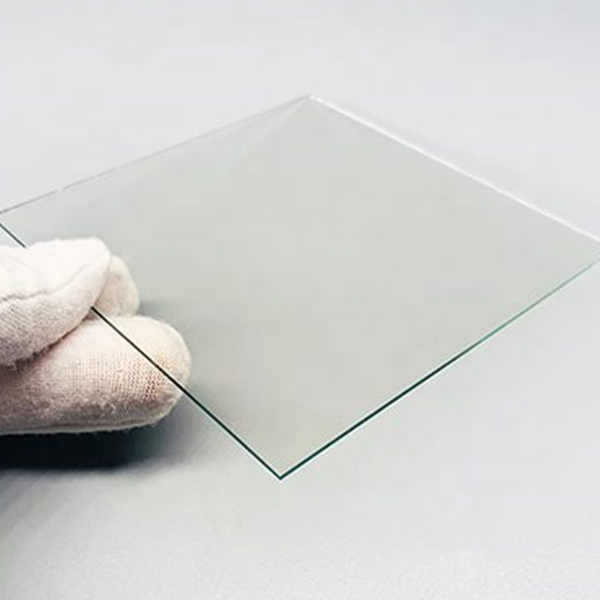
Ito Conducting Glass, Ito Coated Glass, Ito Glass
Transparent conductive glass for touch sensors, display electrodes, shielding and optoelectronic devices. Confirm sheet resistance, transmission and coating side before tooling.
View product details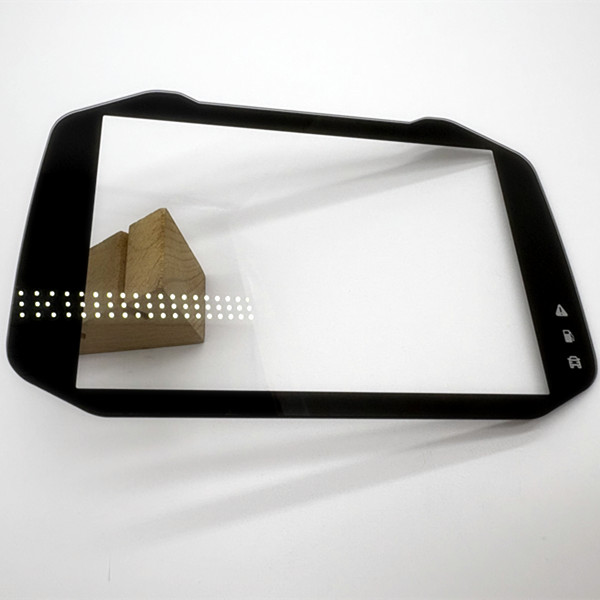
Custom Shape High Transmittance Ultra Clear Tempered Glass Panel With Anti-reflective Coating on Two Sides
Low-reflection cover glass for instrument windows, automotive displays and high-brightness screens. Double-sided AR coating improves transmission and reduces ghost images.
View product details
Custom Shaped Tempered Glass Processing, High Transparency Window Panels with Screen Printing
CNC-shaped tempered glass with printed windows, borders or icons for control panels, appliances, medical devices and industrial HMI. Specify print color and edge finish early.
View product details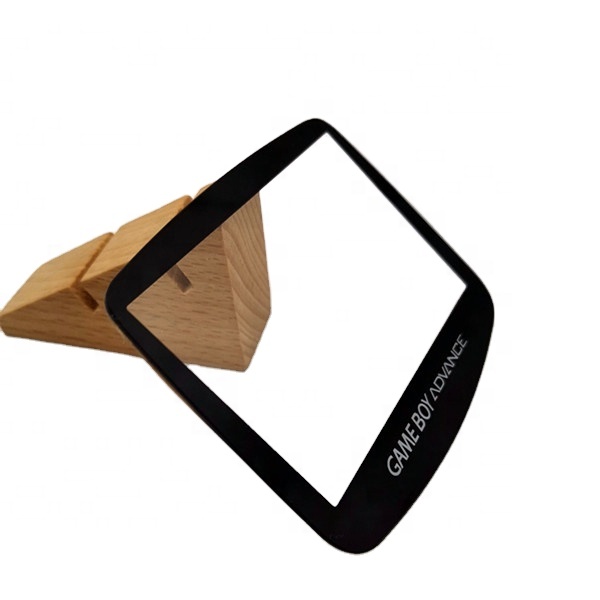
0.5mm 0.7mm 1mm 2mm 3mm Thickness China Suppliers Good Price Oem Wholesale Premium Tempered Printing Custom Gorilla Glass Screen
OEM display protection and printed cover glass options using tempered or Gorilla-type substrates. Confirm tolerance, print cure, strengthening route and packing for high-volume programs.
View product details
Customized Tempered Anti-Reflective Glass AR Coated Tempered Glass
AR-coated tempered glass for glare reduction and improved image clarity. Define the reflection target, wavelength band, coating side and environmental test standard in the RFQ.
View product details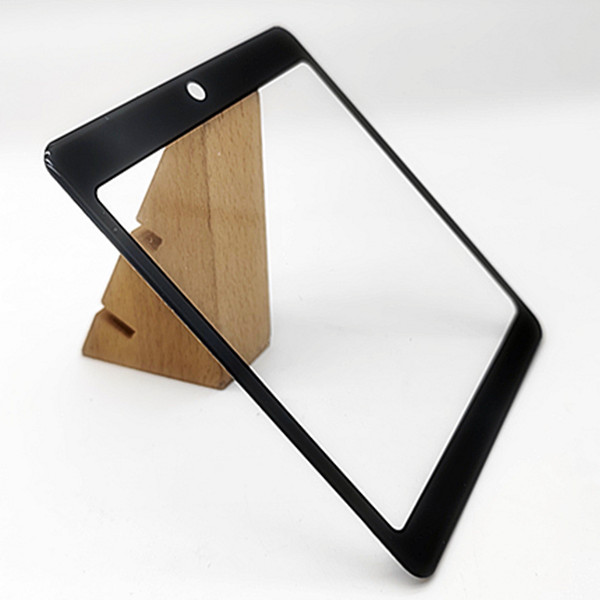
Ultra Clear Gorilla Glass Panel with Silk Screen Printing for Electronic Device
High-clarity printed cover glass for electronic devices. Silk-screen printing can provide black borders, brand graphics, light-blocking zones and selected transparent windows.
View product details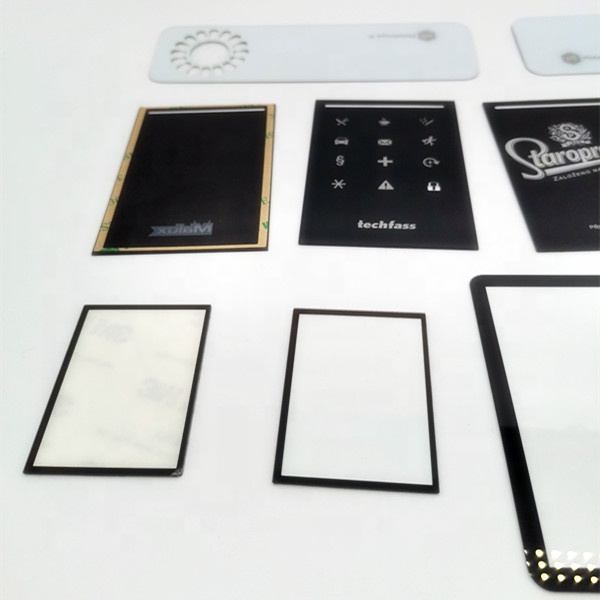
Custom Corning Gorilla Tempered Glass Silk Screen Printing for Touch Screen
Front touch-screen cover glass with decorated borders and functional print. Buyers should validate surface strength, print adhesion, optical clarity and drop-pack performance.
View product details
0.3mm ~ 2mm Dichroic Glass Mirror for Gobos
Heat-resistant dichroic glass for gobos, stage lighting and color effects. Coating color shift and thermal performance should be checked under the actual lamp and optical system.
View product detailsHow Thin Glass Buyers Will Source from China in 2025–2030
Procurement is moving from transactional price comparison toward engineering-led qualification, documented traceability and supply resilience. For thin glass, the buyer who controls the specification early controls the total cost later.
Drawing-Led RFQs
RFQs will include DWG, DXF or PDF drawings, tolerance stack-ups, edge requirements, print references and application conditions. Suppliers who can review manufacturability before quoting will win stronger partnerships.
Dual-Source Resilience
OEMs are qualifying primary and backup sources for critical cover glass, AR windows and technical substrates. The backup must be validated for fit, coating, print color and packing, not merely listed as an alternative.
Total Landed Cost
Buyers increasingly compare yield, inspection cost, rework, packing, freight damage and inventory risk rather than piece price alone. A stable thin-glass process often lowers total landed cost more than a small quote reduction.
Documented Compliance
Material declarations, RoHS and REACH documentation, batch traceability, change-control notices and inspection reports are becoming standard attachments in supplier scorecards for export programs.
For sourcing managers, the practical implication is clear: request a process capability review alongside the quotation. Ask how the supplier will control edge chipping, coating orientation, print registration and packing for thin glass. These questions reveal more than a catalog page.
Where Thin Glass Technology Is Heading Next
The strongest growth is not in commodity sheet glass. It is in functional thin glass where optical, electrical, chemical or mechanical performance is engineered into the part.
Ultra-Thin Chemical Strengthening
Ion-exchange strengthening for 0.15–2 mm glass supports thinner, lighter device covers while maintaining flatness and optical cleanliness. Cutting, drilling and edge grinding must be completed before strengthening.
Integrated Optical Coatings
Double-sided AR, dichroic and wavelength-selective coatings are becoming part of the mechanical design, not an afterthought. Buyers will specify reflection, transmission, color shift and environmental durability together.
Printed Glass as a Component
Silk-screen printing and back-painting now combine decoration, light control, icon windows and brand identity in one cover-glass part. Print cure and adhesion must be validated with the chosen strengthening process.
Low-CTE Technical Substrates
Corning® Eagle XG, borosilicate 3.3 and glass wafers support biochips, semiconductor carriers, PLC substrates and precision optics where dimensional stability and flatness are essential.
Material Selection: Matching Thin Glass to the Application
Substrate choice determines thermal expansion, chemical resistance, optical performance and available strengthening routes. Use this guide for preliminary selection, then confirm final properties against the manufacturer datasheet and your drawing.
How to Build a Buyable Specification
A drawing that is complete on day one avoids repeated samples. Thin-glass suppliers and exporters need both geometry and process intent: what the part must withstand, how it will be assembled and what cosmetic limits apply.
- 2D drawing with outline dimensions and tolerances
- Glass material, thickness range and edge finish
- Hole, notch, slot and corner-break positions
- Thermal tempering or chemical strengthening method
- Pantone print references and coating side(s)
- Application, annual volume and destination market
Buyer Insight: Do Not Specify Appearance Only
“Clear glass with a black border” is not enough for production. Define transmission, haze, reflection, print color, border width, coating side, cosmetic defect criteria and the expected cleaning or bonding process. This is the information gain that separates a qualified supplier from a broker.
Procurement note: for heat-exposed lighting parts, borosilicate 3.3 is often preferred because its expansion is roughly one third that of soda-lime glass. For ultra-thin display covers, chemically strengthened glass keeps flatness while raising surface strength.
| Material | Typical Thickness | CTE (×10⁻⁶/K) | Best-Fit Application | Buyer Note |
|---|---|---|---|---|
| Ultra-clear soda-lime | 0.5 – 4 mm | ≈ 9.0 | Cover glass, AR panels, printed windows | Economical; specify low-iron grade for color-critical displays. |
| Gorilla® alkali-aluminosilicate | 0.4 – 2 mm | ≈ 7.5 – 8.5 | Scratch-resistant touch and display covers | Chemical strengthening; confirm print cure after strengthening. |
| Borosilicate 3.3 | 0.3 – 3.3 mm | 3.3 | Heat-resistant windows, gobo, lab glass | Excellent thermal-shock performance; ideal for lighting. |
| Corning® Eagle XG | 0.5 – 1.1 mm | ≈ 3.2 | Biochips, wafers, PLC and micro-optics | Alkali-free, flat and dimensionally stable; higher MOQ typical. |
| Chemically strengthened thin glass | 0.15 – 2 mm | Base-glass dependent | Ultra-thin protectors, sensor covers | Ion exchange; cutting and edging must happen before strengthening. |
Values are typical industry figures for preliminary selection. Final acceptance criteria must be confirmed against the material datasheet, drawing and application test plan.
Why Fevry Glass Is a Practical China Thin Glass Partner
Fevry Glass Co., Ltd. is based in Xinyu, Jiangxi, China, and focuses on specialty glass processed to customer drawings. The company combines material sourcing, in-house machining, strengthening, coating, printing, inspection and export packing in one workflow.
Traceable Material Strategy
Raw glass is sourced from Corning, AGC and other multinational producers, with close work alongside established Chinese optical-glass makers such as Chengdu Guangming and Xinhuguang. This helps buyers start from consistent, identifiable material.
In-House Shaping & Edging
Laser, ultrasonic, CNC carving and grinding equipment — imported from the USA, Germany and Japan — supports custom outlines, holes, notches, slots and controlled edge finishes for thin glass parts.
Strengthening Expertise
Thermal tempering is suited to thicker panels, while chemical strengthening by ion exchange supports ultra-thin cover glass from 0.15 mm to about 2 mm. Process sequence is controlled so cutting and edging happen first.
Coating & Printing Integration
AR and dichroic coatings, silk-screen printing and back-painting can be combined with custom glass. Pantone references, IR-transparent windows and logo details are reviewed together with the optical requirement.
Inspection Before Packing
Dimensional and visual checks cover size, thickness, flatness, edge condition, print appearance and coating quality. Export packing is designed for fragile thin glass with interleaving and cushioning.
Verified Export Record
A 10+ year Alibaba.com membership, ≤4 hour average response time, 100% inquiry response rate, 5.0/5 buyer rating and service to 7+ export regions support a transparent, checkable supplier profile.


Where Fevry Thin Glass Performs
Fevry Glass serves customers in China and exports to Western Europe, the United States, Japan, South Korea, Taiwan, Hong Kong and Southeast Asia. The product range supports several precision industries.
Displays & Electronics
LCD protection glass, smart-home panels, automotive dashboard trims, touch-screen covers and printed electronic windows.
Stage & LED Lighting
Gobo blanks, dichroic color lenses, LED filament glass and heat-resistant lighting covers using borosilicate 3.3.
Biotech & Life Science
Biochip substrates, biological analyzer filters and microscopy-grade glass requiring flatness and dimensional stability.
Semiconductor
Glass wafers, carrier substrates and packaging glass for MEMS, bonding and micro-fabrication processes.
Optical Communication
PLC substrate glass and fiber-alignment V-groove glass for optical modules and precision photonic packaging.
Measuring Instruments
Flat, stable worktable glass and inspection windows for metrology, analysis and industrial measurement devices.
Thin Glass Sourcing Questions, Answered for Engineers and Buyers
These answers reflect the technical and commercial questions most often raised by OEM procurement teams evaluating thin glass suppliers and exporters in China.
Should I choose chemically strengthened or thermally tempered glass?
Thermal tempering is generally best for glass around 3 mm and thicker. For ultra-thin cover glass from 0.15 mm to about 2 mm, chemical strengthening by ion exchange raises surface strength while keeping the sheet flat and optically clean. In both cases, cutting, drilling and edge grinding must be finished before strengthening.
When is borosilicate 3.3 better than soda-lime glass?
Borosilicate 3.3 has a thermal expansion coefficient of about 3.3 × 10⁻⁶/K, roughly one third of soda-lime glass. It resists thermal shock far better, making it the preferred choice for lighting covers, heat-resistant windows, gobo blanks, laboratory glass and instrument glass exposed to temperature changes.
Why is Corning® Eagle XG used for biochips, wafers and PLC substrates?
Eagle XG is an alkali-free boro-aluminosilicate glass with low thermal expansion and a fusion-formed surface that offers excellent flatness and dimensional stability. This suits micro-patterning, bonding and precise optical alignment in biochip, wafer and PLC applications.
What is the minimum order quantity?
Most custom cover glass and AR glass items start from 300 to 500 pieces. Some custom-cut Eagle XG parts start from 1,000 pieces, while selected gobo glass blanks may start from 10 pieces. Samples can be arranged to validate fit and optical performance before mass production.
What information do you need to evaluate a custom glass project?
Send a 2D drawing in DWG, DXF or PDF with outline dimensions and tolerances, thickness, glass material, edge finish, hole and notch positions, strengthening method, print colors with Pantone references, AR coating side or sides, application and annual quantity to info@fevryglass.com. Complete information lets engineering respond with a firm recommendation quickly.
Which markets does Fevry Glass export to?
Fevry Glass serves customers in China and regularly exports to Western Europe, the United States, Japan, South Korea, Taiwan, Hong Kong and Southeast Asia. Export packing is designed for fragile thin glass and international logistics.
How should buyers compare China thin glass suppliers and exporters?
Compare drawing review quality, material traceability, in-house process coverage, inspection method, packaging design, response speed and documented references. A supplier that can explain edge control, coating orientation and print cure is usually better prepared for production than one that quotes only a price per piece.
What quality checks should be agreed before mass production?
Agree on dimensional tolerances, flatness, edge condition, optical transmission or reflection targets, print color and adhesion, coating appearance, surface hardness where applicable, thermal-shock requirements for lighting glass and cosmetic defect limits. Then confirm sampling, inspection records and export packing before the first mass-production lot.
Request the Thin Glass Catalog and an Engineering Review
Send your drawing, material, thickness, coating, print and annual volume requirements. The Fevry Glass team typically responds within four hours and can recommend a practical substrate and process route for your application.