8 Thin Glass Sheet Products for OEM Buying Programs
The product set below reflects the practical range of a modern thin-glass wholesaler: tempered and printed cover glass, heat-resistant gobo lenses, ultra-thin chemically strengthened sheets, ITO conductive glass, dichroic mirrors, ultra-clear silk-screen panels and alkali-free borosilicate AF32. Product links are preserved exactly for direct specification review.

0.5mm 0.7mm 1mm 2mm 3mm Thickness China Suppliers Good Price Oem Wholesale Premium Tempered Printing Custom Gorilla Glass Screen
View product specifications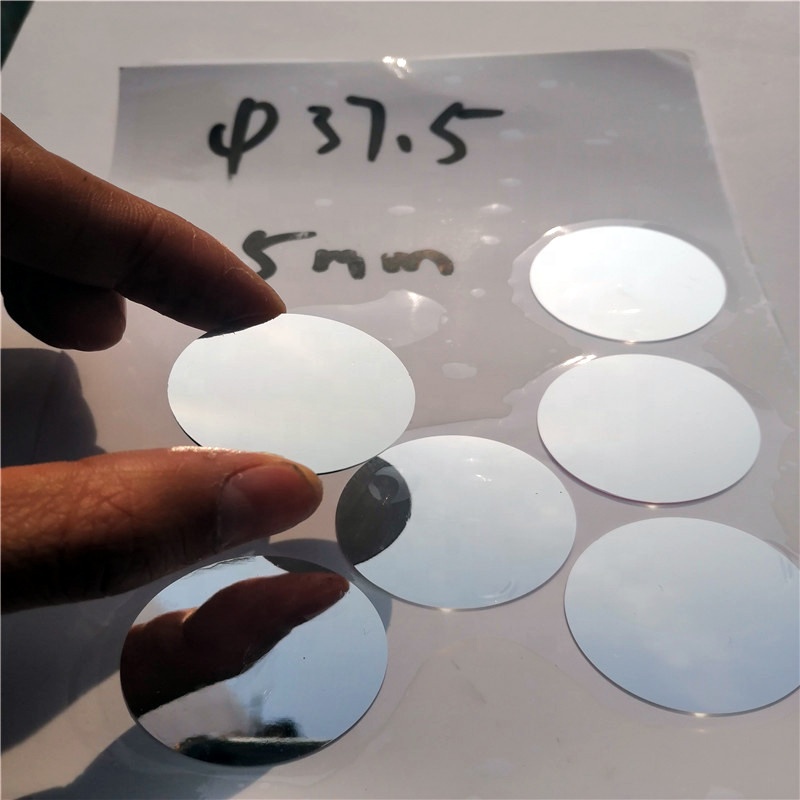
OEM Custom Heat Resistant Gobo Glass Lens
View product specifications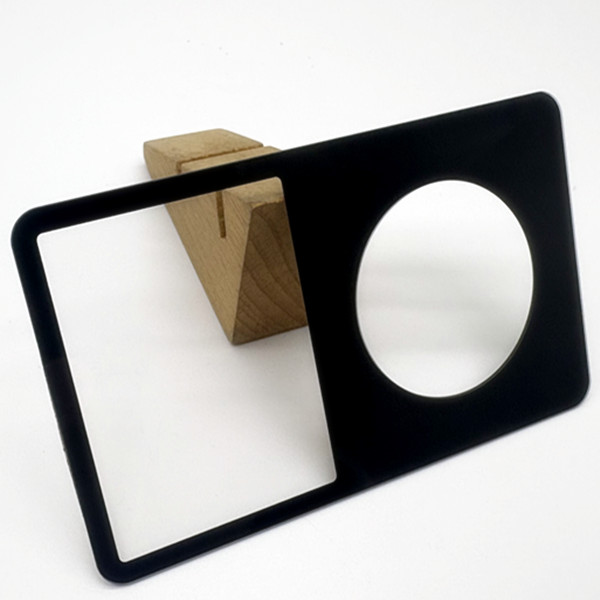
Factory Custom Smart Silkscreen Gorilla Glass Panel Tempered Glass Printing Glass
View product specifications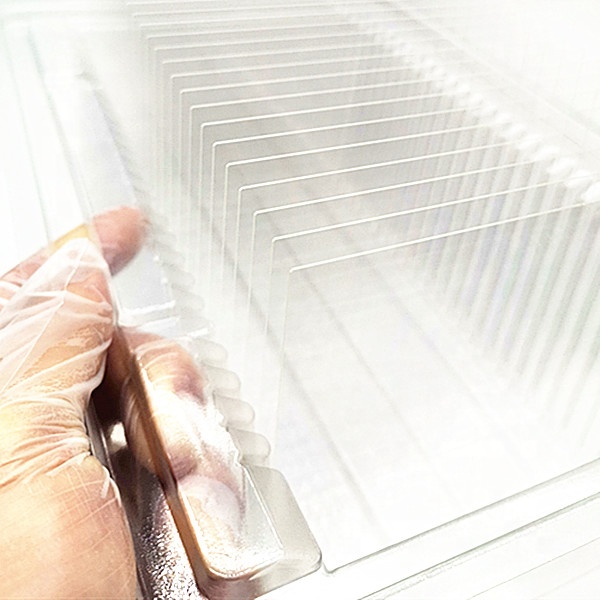
Custom Chemically ultra Thin Clear Transparent Tempered Glass Sheet
View product specifications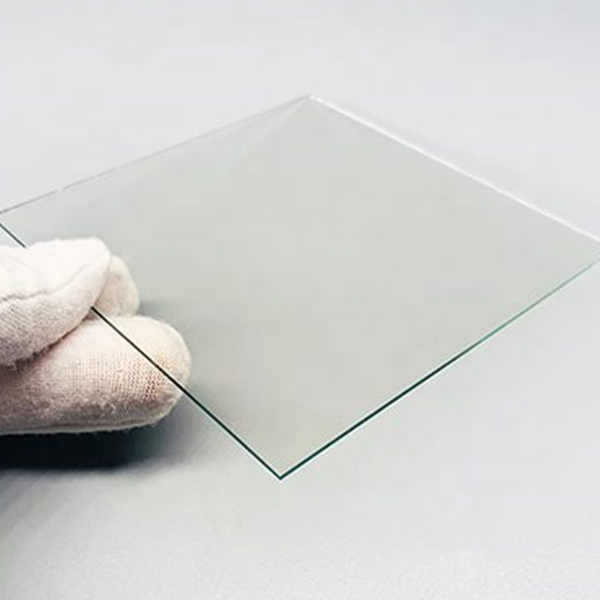
Ito Conducting Glass, Ito Coated Glass, Ito Glass
View product specifications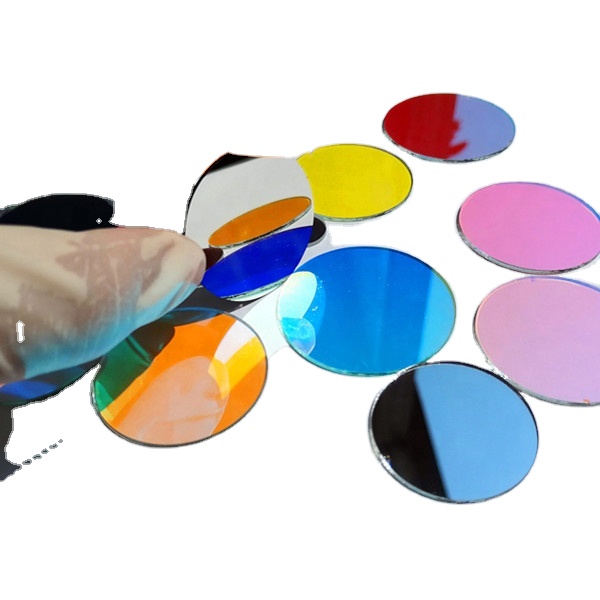
0.3mm ~ 2mm Dichroic Glass Mirror for Gobos
View product specifications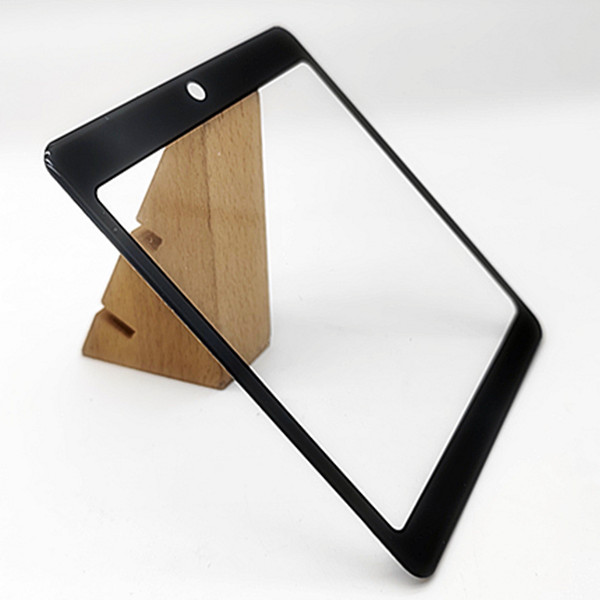
Ultra Clear Gorilla Glass Panel with Silk Screen Printing for Electronic Device
View product specifications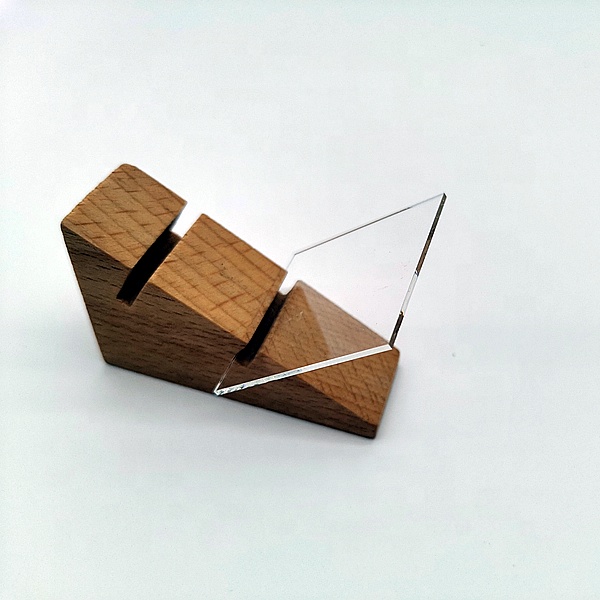
Custom 0.2mm 0.3mm 0.4mm 0.5mm 0.7mm 1mm Alkali Free Borosilicate AF32 Glass
View product specificationsMetrics That Matter When Thin Glass Is Part of Your BOM
A thin-glass order is fragile in every sense: optically, mechanically and commercially. The supplier signals below are not decorative. They are practical risk controls for buyers comparing a China thin glass sheet supplier and wholesaler.
Years as an Alibaba.com member
Average inquiry response time
Inquiry response rate
Buyer rating and repeat-order confidence
What “China Best Thin Glass Sheet Supplier & Wholesaler” Really Means
The query is usually commercial investigation, not casual reading. Buyers are comparing process depth, dimensional capability, optical consistency, coating options, export packing and documentation before they request a sample.
When procurement teams search for a China best thin glass sheet supplier and wholesaler, the word “best” rarely refers to the lowest listed price. In thin glass, total cost is shaped by breakage, edge quality, coating adhesion, print registration, rework and the reliability of the final packing. A supplier that cannot control those variables may appear inexpensive per square meter, yet create expensive delays at the assembly line. The useful comparison is therefore not warehouse size alone, but the supplier’s ability to hold tolerances from 0.15 mm to 4 mm and to document every critical operation.
Thin glass is a system, not a commodity. A 0.3 mm chemically strengthened sheet may be specified for a touch interface, but final performance depends on edge micro-crack control, ion-exchange depth, coating durability, print curing and mounting method. A wholesaler that only resells raw sheets cannot close those variables. This is why integrated cutting, grinding, strengthening, coating, printing and inspection are the practical definition of “best” for OEM buyers.
The market has also shifted from purchasing standard sheets to buying finished glass components: cut-to-drawing, tempered or chemically strengthened, AR-coated, ITO-coated, silk-printed and packed for export. That shift favours suppliers who can review manufacturability early. Thin glass cannot be re-cut after strengthening, and coating defects are difficult to correct after printing. Early engineering review is therefore a form of risk reduction, not a free add-on.
For a fast evaluation, send a 2D drawing in DWG, DXF or PDF with outline dimensions, tolerances, thickness, material, edge finish, hole and notch positions, strengthening method, print colours with Pantone references, AR coating side or sides, end application and annual volume. Complete information shortens the quotation cycle and reduces the chance of a sample that fits physically but fails optically.
In thin glass sourcing, the cheapest sheet is rarely the lowest total cost once breakage, rework, coating failure and line downtime are included.
How to Evaluate a China Thin Glass Sheet Supplier Before Approving a Sample
Use the following six checks to separate a genuine engineering supplier from a catalogue reseller. Each check maps directly to a failure mode that appears after the glass reaches your production line.
Traceable substrate, not generic stock
Ask which raw glass brand and grade will be used. Corning Eagle XG, AGC, Chengdu Guangming and Xinhuguang materials behave differently in CTE, flatness and chemical durability. Traceability protects repeat orders.
In-house precision machining
Laser, CNC, ultrasonic and edge-grinding capability determines whether holes, notches, slots and free-form outlines stay clean. Poor edges seed cracks during strengthening and handling.
Strengthening and coating discipline
Thermal tempering suits thicker panels; ion-exchange suits 0.15–2 mm thin glass. AR, ITO and dichroic coatings must be matched to the application, not simply listed as available options.
Inspection data, not only photos
Request dimensional, thickness, flatness and visual inspection records. For coated glass, ask for transmission, haze or adhesion expectations. Data-rich approval reduces disputes later.
Export packing designed for thin glass
Interleaved separators, cushioned corners and reinforced cases matter more for 0.3 mm sheets than for thick architectural glass. Ask how samples and mass-production lots are packed.
Responsive engineering communication
A supplier that replies in hours with drawing comments is usually better prepared for mass production than one that replies in days with a price table. Response speed is an early proxy for project control.
Choose the Thin Glass Sheet by Failure Mode, Not by Price Alone
Different applications fail for different reasons. Start with the dominant risk — impact, thermal shock, glare, conductivity, chemical stability or print alignment — then select the substrate and process stack.
Ultra-thin chemically strengthened clear glass
Recommended for 0.2–1.1 mm touch covers, sensor windows and lightweight electronic devices. Ion exchange improves surface strength while preserving optical clarity and flatness. Best when weight and impact resistance must be balanced.
Explore ultra-thin glassTempered, printed and AR-capable cover glass
Suitable for display bezels, appliance windows and smart-home interfaces. Tempering, silk printing and optional AR coating can be combined, but all machining must be finished before strengthening. Colour matching should be confirmed with Pantone references.
Explore cover glassITO and dichroic functional coated glass
ITO glass supports transparent conductive paths for sensors, heaters and electronic interfaces. Dichroic mirrors are used in gobos, colour lighting and optical separation. Coating side, sheet resistance and transmission targets should be specified early.
Explore coated glassBorosilicate 3.3 and AF32 alkali-free substrates
Borosilicate 3.3 resists thermal shock because its CTE is about 3.3 × 10⁻⁶/K. Alkali-free AF32 and Eagle XG supports biochips, microfluidics, optical filters and semiconductor-adjacent applications where dimensional stability matters.
Explore technical substratesThin Glass Sheet Trends Reshaping Product Design Through 2030
Product roadmaps in consumer electronics, automotive interiors, medical instruments and stage lighting all point in the same direction: thinner glass with more functions built into the same sheet.
Thinner formats with higher surface strength
Chemical strengthening is allowing more designs to move from 1.1 mm to 0.5 mm and below without accepting the scratch and impact penalties of untreated thin glass. Expect continued demand for 0.15–0.7 mm cover sheets in sensors and displays.
Integrated coating stacks
AR, anti-glare, ITO, dichroic and hard-coat layers are increasingly combined on one substrate. Buyers will ask for optical performance, adhesion and environmental durability data rather than a simple “coated glass” description.
Printed glass as a functional interface
Silk-screen printing now creates more than decorative borders. It can define light windows, icon areas, IR-transparent zones and hidden sensor apertures. Print registration and ink curing become part of the optical specification.
Low-CTE and alkali-free substrates
Eagle XG, AF32 and borosilicate 3.3 are gaining attention because low thermal expansion and chemical stability support micro-patterning, bonding and optical alignment. These materials are central to biochip, wafer and PLC applications.
Shaped, large-format and edge-critical parts
Designers are requesting free-form outlines, narrow borders, stepped edges and mixed hole patterns. Because thin glass cannot be reworked after strengthening, edge quality and dimensional tolerance must be designed into the drawing.
Data-rich quality and traceability
The next competitive gap is not only process capability but process evidence: lot-level inspection, coating records, dimensional reports and packing checklists that let a buyer audit the supplier without visiting every batch.
What OEM Buyers Will Expect from a Thin Glass Wholesaler
Procurement is moving from transactional purchasing toward qualified, documented and co-engineered supply. The table below summarises the shift that matters when thin glass is a critical component.
| Buying factor | Traditional assumption | 2025–2030 expectation |
|---|---|---|
| Supplier selection | Lowest unit price from an online listing | Qualified process, audit trail, verified export record and engineering response quality |
| Specification | Thickness, size and material name | Full optical-mechanical stack: flatness, edge finish, transmission, haze, coating side, print colour and strengthening method |
| Sampling | Generic stock sample | Paid sample from a production-intent lot with dimensional and visual data |
| Quality control | Final visual check before shipment | In-process inspection, lot traceability, breakage rate tracking and coating verification |
| Logistics | Standard export crate | Engineered fragile-glass packing with interleaves, corner protection and validated carton performance |
| Supplier role | Transactional sheet seller | Early design-for-manufacturing partner supporting material choice, tolerances and cost-down |
For thin glass, total landed cost must include breakage allowance, incoming inspection time, rework risk and line downtime — not just the price per piece.
Why Fevry Glass Co., Ltd. Is Built for Thin Glass Programs
Fevry Glass Co., Ltd. is a specialty glass company based in Xinyu, Jiangxi, China. Drawing on hands-on work with optical, biological, semiconductor, communications, lighting and electronics customers, the team helps engineers select the right substrate and turn it into a finished, export-ready part.
Raw glass is sourced from Corning, AGC and other multinational producers, and the company works closely with established Chinese optical-glass makers such as Chengdu Guangming and Xinhuguang. Processing is supported by laser, ultrasonic, CNC carving, grinding and inspection equipment imported from the USA, Germany and Japan. This combination matters for thin glass because material consistency and machine stability directly affect edge quality, flatness and coating yield.
The product scope covers Eagle XG, borosilicate 3.3, transparent ceramic glass, semiconductor wafers, biochip glass, PLC substrates, optical V-groove glass, stage and studio lighting lenses, LED filament glass, optical coating glass and ultra-thin protector glass from 0.15 mm and 0.2 mm. The company exports to Western Europe, the United States, Japan, South Korea, Taiwan, Hong Kong and Southeast Asia, while also serving domestic Chinese customers.
Commercial trust signals include more than 10 years as an Alibaba.com member, average response time within 4 hours, a 100% inquiry response rate, a 5.0/5 buyer rating and 7+ export regions served. The guiding principle is “Quality is superior, service is supreme, reputation is first”, and the company motto is “Your success, our glory.”



From Drawing to Export-Ready Thin Glass: A Six-Step Controlled Path
A repeatable thin glass program depends on sequence control. Every cut, hole and printed layer must be completed before strengthening, and every optical requirement must be agreed before mass production.
Drawing and application review
Send the 2D drawing, thickness, material, edge finish, print colours, coating side, application and annual volume. The review flags missing tolerances and high-risk features.
Material and DFM selection
The team recommends soda-lime, Gorilla-style aluminosilicate, borosilicate 3.3, AF32 or Eagle XG based on thermal, optical, chemical and mechanical requirements.
Sample and optical validation
Samples validate fit, colour matching, coating appearance and transmission. This is the stage to confirm whether AR, ITO, dichroic or silk printing behaves as expected.
Precision machining
Laser, CNC, ultrasonic carving and edge grinding create the final outline, holes, notches and edge geometry before any strengthening operation.
Strengthening, coating and printing
Thermal tempering, chemical strengthening, AR coating, ITO coating, dichroic coating, silk-screen printing and back painting are matched to the approved stack.
Final inspection and export packing
Dimensional and visual checks are completed before interleaved, cushioned packing. The goal is simple: the glass must arrive with the same optical and dimensional condition approved in the sample.
Match the Thin Glass Sheet to the Real Failure Mode
Use this matrix for preliminary engineering discussions. Final specifications should be confirmed against the manufacturer datasheet and your drawing.
| Material | Typical thickness | CTE (×10⁻⁶/K) | Core strength | Best-fit application |
|---|---|---|---|---|
| Ultra-clear soda-lime glass | 0.5–4 mm | ≈9.0 | Economical clarity and printability | Display windows, AR cover panels, printed appliance glass. Not the first choice for severe thermal shock. |
| Chemically strengthened thin glass | 0.15–2 mm | Base-glass dependent | High surface strength with flat optics | Ultra-thin touch covers, sensor windows, lightweight electronic displays. |
| Borosilicate 3.3 | 0.3–3.3 mm | 3.3 | Thermal shock and chemical resistance | Gobo blanks, stage lighting, heat-resistant windows, laboratory and instrument glass. |
| Alkali-free AF32 | 0.2–1.1 mm | ≈3.2 | Low alkali, dimensional stability | Biochips, microfluidic substrates, electronic packaging and precision sensor components. |
| Corning® Eagle XG | 0.5–1.1 mm | ≈3.2 | Fusion-formed flatness and low expansion | Biological analyzer filters, biochips, glass wafers, PLC substrates and micro-optics. |
Thermal tempering is generally limited to thicker glass; ion-exchange is used for thin glass. All cutting, drilling and edge grinding must be completed before strengthening.
Independent Records a Thin Glass Buyer Can Check
A strong supplier profile should be verifiable before the first purchase order. The records below support due diligence for international buyers comparing China thin glass wholesalers.
Supplier Assessment
Third-party verification details and onsite checked company premises.
Credit Profile
Business credit overview for procurement risk review.
Ratings and Reviews
5.0/5 average buyer rating and public feedback record.
Transaction Level
Verified order performance and trading activity indicators.
Trade Capacity
Export markets, logistics capability and fragile-glass handling.
Trade History
Past transaction records that support repeat-order confidence.
Common Questions About Custom Thin Glass Sheet Sourcing
Direct answers to the technical and commercial questions engineers and sourcing managers ask most often before requesting a quote.
What thickness should I specify for a thin glass sheet?
For sensor covers and very thin protective windows, 0.15–0.4 mm is common. For touch interfaces, display cover glass and electronic windows, 0.5–1.1 mm is often the practical range. For structural panels or larger windows, 2–4 mm may be required. The final choice depends on impact expectations, mounting method, edge support and whether chemical strengthening or thermal tempering will be used.
Should I choose chemically strengthened or thermally tempered glass?
Thermal tempering is generally best for glass around 3 mm and thicker. For ultra-thin glass from 0.15 mm to about 2 mm, chemical strengthening by ion exchange increases surface strength while maintaining flatness and optical quality. In both cases, cutting, drilling and edge grinding must be completed before strengthening. The glass cannot be re-cut after the strengthening step.
What is the minimum order quantity for custom thin glass?
Many custom cover glass and AR glass items start from 300–500 pieces. Some precision-cut Eagle XG parts start from 1,000 pieces because of material cost and handling complexity. Selected gobo glass blanks can start from smaller quantities such as 10 pieces. Samples can be arranged to validate fit, colour and optical performance before mass production.
Which coating and printing options are available?
Common options include anti-reflective coating on one or both sides, ITO conductive coating, dichroic mirror coating, optical filter coating, silk-screen printing with Pantone-matched colours, back painting and IR-transparent ink windows. The coating side, transmission target, sheet resistance and print durability requirements should be stated in the inquiry so the process stack can be reviewed correctly.
What tolerances and edge finishes can be achieved?
Typical custom outline tolerances depend on size, thickness and shape complexity. Many projects use tolerances around ±0.1 mm to ±0.2 mm for critical dimensions, with tighter control possible after review. Edge options include flat, pencil, chamfered and polished edges. Holes, notches, slots and free-form outlines are reviewed for manufacturability before sampling.
How is thin glass packed to prevent breakage?
Thin glass requires interleaved separators, cushioned corners, reinforced outer cases and careful carton orientation. Anti-static or cleanroom-compatible packaging can be discussed where required. For high-value coated or printed parts, packing specifications should be agreed before shipment. Good packing is not a commodity detail; it directly affects incoming yield.
What is the typical lead time for samples and mass production?
Sample lead time is commonly around 7–12 working days after drawings and specifications are confirmed, depending on material availability, coating and printing requirements. Mass production is often around 15–25 working days after sample approval, but schedule should always be confirmed against the final process stack and order quantity.
Which markets are served, and what information is needed for a quote?
Fevry Glass serves customers in China and exports to Western Europe, the United States, Japan, South Korea, Taiwan, Hong Kong and Southeast Asia. For a quote, send a 2D drawing, thickness, material, edge finish, tolerances, strengthening method, print colours, coating side, application and annual volume. Complete information allows a faster and more accurate engineering response.
Turn Your Drawing Into a Repeatable Thin Glass Supply Program
Send your 2D drawing, material, thickness, coating, print colours and annual volume. The engineering team can review manufacturability, recommend the right substrate and outline a sample path for your application.