Eight Custom Glass Products for Faster Qualification
These are not catalogue placeholders. Each item below corresponds to a production path that can be quoted from a 2D drawing, with material, thickness, print, coating and edge finish reviewed before sampling.
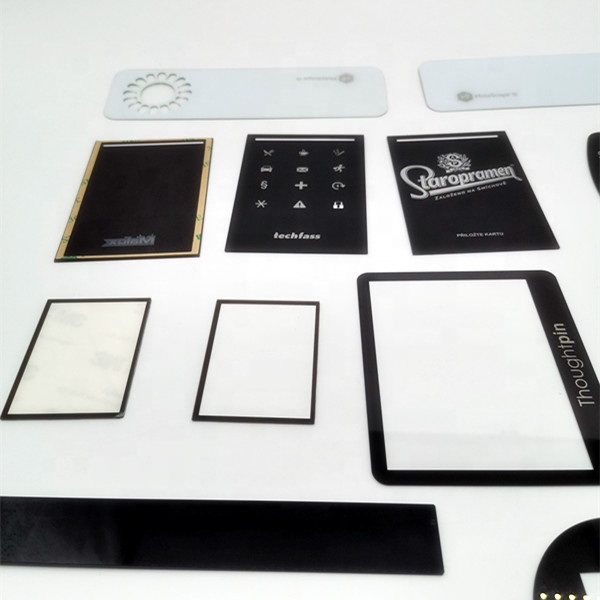
Custom Display Screen Silk Screen Printing Tempered Gorilla Glass
Tempered, printed cover glass for displays that need crisp graphics, scratch resistance and a clean touch surface.
- Silk-screen print
- Tempered
- Gorilla glass

0.5mm 0.7mm 1mm 2mm 3mm Tempered Gorilla Glass Screen
A thickness-range cover glass for buyers validating fit, strength and optical appearance across several device models.
- 0.5–3 mm
- OEM supply
- China wholesale

Factory Customization Dichroic Glass Gobo Glass
Custom dichroic gobo glass for stage, architectural and entertainment lighting where colour and heat behaviour are critical.
- Dichroic coating
- Gobo
- Custom colour
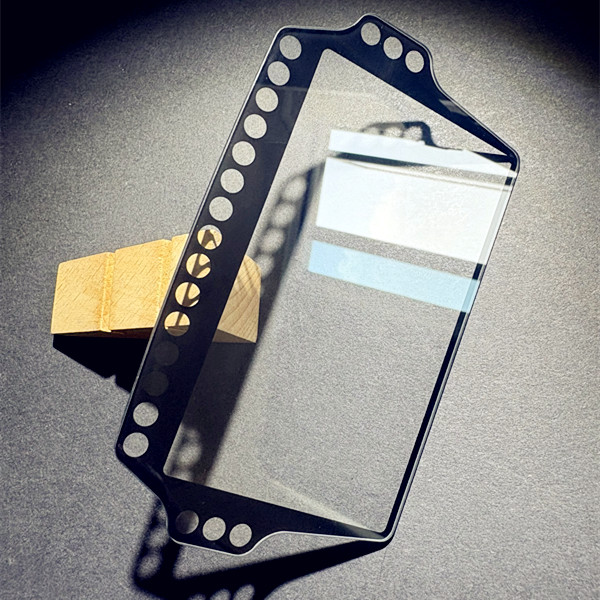
Factory Custom Tempered Silk Printed Gorilla Glass Screen Protector
A durable, printed protector glass that combines brand graphics, masking windows and tempered strength.
- Print integration
- Tempered
- Screen protector
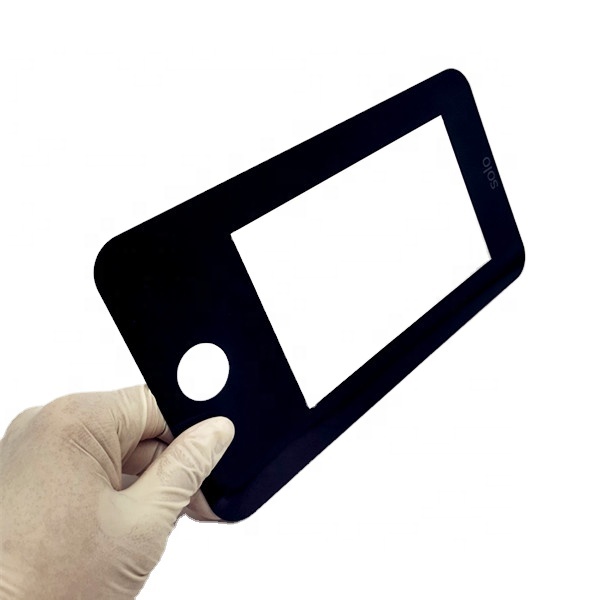
OEM Wholesale Custom Low-Iron Tempered Glass
High-clarity low-iron tempered glass for wholesale programmes where visible colour shift must stay low.
- Low iron
- Wholesale
- Impact-resistant
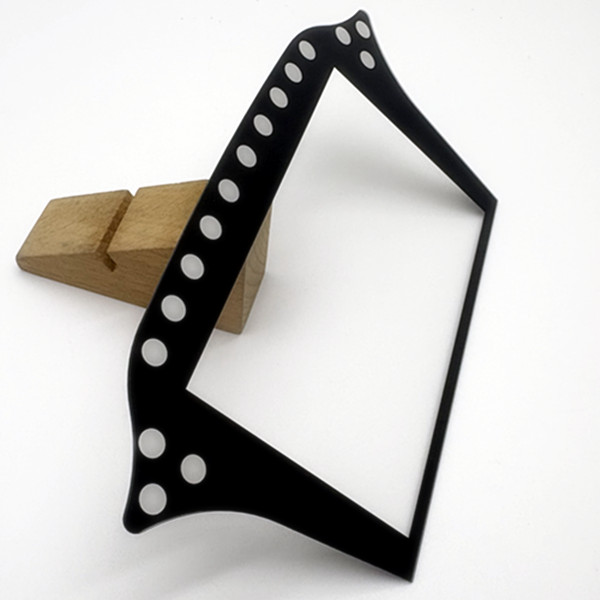
Custom Shaped Tempered Glass Processing, High Transparency Window Panels
CNC-shaped, printed transparent panels for HMI windows, appliances and instrument faces.
- Shaped
- Screen printed
- High transparency
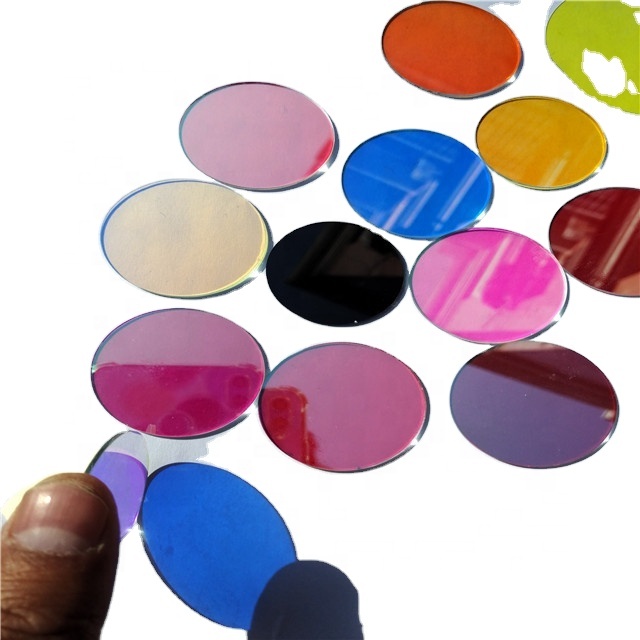
Heat Resistant Borosilicate 3.3 Dichroic Glass Filter
Low-expansion borosilicate 3.3 with dichroic filtering for lighting and optical systems exposed to heat.
- Borosilicate 3.3
- Dichroic
- Heat resistant

Custom 0.3mm 0.5mm 0.7mm Heat Resistant Gobo Glass Blanks for Projector
Thin, heat-resistant gobo blanks for projector systems that need precise apertures and stable colour.
- 0.3–0.7 mm
- Gobo blanks
- Projector
The Best Specialty Glass Supplier Is Proven by Process, Not Adjectives
Search results for “China best specialty glass manufacturers and exporter” are full of superlatives. For an OEM buyer, the useful question is narrower: can the supplier control the variables that decide launch risk?
Those variables include raw-glass traceability, drawing review, edge quality, strengthening sequence, coating and printing tolerances, inspection records, breakage control and export packing. The word best should become a specification, not a slogan. A manufacturer that can cut, strengthen, coat, print and inspect under one quality rhythm removes hand-offs between vendors. Fewer hand-offs usually means fewer disputes over who caused a scratch, a chip, a colour mismatch or a coating defect.
Fevry Glass Co., Ltd. is a Xinyu, Jiangxi-based specialty glass supplier serving optical, biological, semiconductor, communications, lighting and electronics customers. Its published capabilities include custom tempered, AR-coated, silk-screen printed, borosilicate 3.3, Corning Eagle XG, glass wafer and optical filter glass processed to customer drawings. The company reports sourcing raw glass from Corning, AGC and established Chinese optical-glass makers such as Chengdu Guangming and Xinhuguang, then processing material on laser, ultrasonic, CNC carving, grinding and inspection equipment imported from the USA, Germany and Japan.
Based on Fevry Glass’s export experience, shortlisting should begin with a drawing and an application brief, not a simple price request. Include target annual quantity, the environment the glass will face, the optical target, the print or coating side and the inspection standard. A supplier that asks these questions early is usually better prepared to protect your yield. Good specialty glass sourcing removes uncertainty before the first production order.
What buyers should verify before shortlisting
- Traceable raw-glass source and lot consistency.
- Drawing review before quotation, not after sampling.
- Edge finish, print alignment and coating side controls.
- Strengthening sequence and whether parts are re-cut afterward.
- Dimensional and visual inspection records.
- Export packing suitable for thin, fragile glass.
Material Selection Is the First Cost-Control Lever in Specialty Glass
Two quotations for the same outline can differ for a legitimate reason: the substrate. Soda-lime glass, Gorilla-type alkali-aluminosilicate, borosilicate 3.3, Corning Eagle XG and chemically strengthened thin glass do not behave the same under impact, heat, coating, bonding or cleaning.
| Material | Typical thickness | CTE (×10⁻⁶/K) | Where it wins | What to specify at RFQ |
|---|---|---|---|---|
| Ultra-clear soda-lime glass | 0.5–4 mm | ≈9.0 | Cover glass, AR panels, printed display windows | Low-iron grade if colour neutrality matters; edge finish and coating side. |
| Gorilla® alkali-aluminosilicate | 0.4–2 mm | ≈7.5–8.5 | Scratch-resistant touch covers and printed display glass | Print alignment, flatness, strengthening and touch-surface texture. |
| Borosilicate 3.3 | 0.3–3.3 mm | 3.3 | Heat-resistant windows, gobo blanks, lighting covers, lab glass | Thermal-shock exposure, edge quality and dichroic coating requirement. |
| Corning® Eagle XG | 0.5–1.1 mm | ≈3.2 | Biochips, wafers, PLC substrates and micro-optics | Alkali-free confirmation, flatness, thickness tolerance and cleaning method. |
| Chemically strengthened thin glass | 0.15–2 mm | Base-glass dependent | Ultra-thin protectors, sensor covers and compact displays | Ion-exchange route, impact target and confirmation that all cutting occurs before strengthening. |
Values are typical industry figures for preliminary selection. Final specifications must be confirmed against the manufacturer datasheet and the approved drawing.
For display cover glass and printed HMI windows, ultra-clear soda-lime or Gorilla-type glass is often the practical starting point; specify low-iron grade when colour neutrality matters. For gobo, lighting covers and heat-resistant windows, borosilicate 3.3 is normally the stronger engineering choice because its coefficient of thermal expansion is about 3.3 × 10⁻⁶/K, roughly one third that of soda-lime glass. For biochips, wafers, PLC substrates and micro-optics, Corning Eagle XG is often considered because it is alkali-free and offers a fusion-formed surface with excellent flatness.
For 0.15–2 mm cover glass, chemical strengthening by ion exchange is usually the relevant strength path; thermal tempering is better suited to thicker panels. In both cases, all cutting, drilling and edge grinding must be completed before strengthening, because strengthened glass cannot be re-cut. Ask for a material datasheet, not just a trade name. Confirm CTE, thickness tolerance, flatness, edge finish, coating side, print colour and strengthening method in the RFQ.
Product Development Trends Reshaping Specialty Glass Through 2030
Specialty glass is moving from a commodity sheet at the start of a BOM to a drawing-linked component that carries optical, mechanical and brand functions. These six trends are visible in active OEM inquiries across displays, lighting, instrumentation and biotech.
Thinner, stronger cover glass
0.15–2 mm chemically strengthened glass is moving into sensors, HMI and protective windows. Buyers should ask for flatness, edge quality and optical clarity data together, not strength claims alone.
Coatings become part of the drawing
AR, anti-glare, anti-fingerprint, dichroic and filter coatings are increasingly specified by transmission or reflection targets. A clear coating stack and side requirement in the RFQ prevent later mismatches.
Printed and back-painted glass
Silk-screen printing, IR-transparent ink windows, logos and back painting reduce separate label or plastic parts. Specify Pantone, ink opacity, first-surface versus second-surface print and alignment tolerance.
Heat-resistant optics for lighting
High-power LED and stage lighting push demand for borosilicate 3.3 gobo blanks and dichroic filters. Thermal shock and coating durability matter more than piece price alone.
Substrates for bio, semiconductor and PLC
Eagle XG and low-expansion glass support micro-patterning, bonding and optical alignment. Expect tighter flatness, cleanliness and lot-traceability requests.
Large-format shaped windows
Smart home, automotive and industrial HMI use shaped or printed glass windows with sensors and displays behind. Early drawing review prevents costly tooling changes.
Lower Total Risk Beats the Lowest Piece Price
Procurement teams are changing how they compare China specialty glass manufacturers. The shift is not only about price. It is about total risk across sampling, yield, freight, rework, field returns and launch timing.
Dual sourcing by material family
Buyers keep a prime and backup supplier for critical coatings or print while requiring the same raw-glass family and documented process controls. This reduces requalification risk without turning every project into a lowest-price auction.
Drawing-led digital RFQ
DWG, DXF or PDF drawings with tolerances, CTE, coating side, print Pantone, application and annual quantity produce faster, more comparable quotations than long email descriptions.
Total landed cost and breakage modelling
A low piece price can be expensive if breakage, sorting or rework is high. Model yield, packing validation, freight, lead time and engineering-change cost before awarding a programme.
Illustrative Buyer Priority Index for 2025–2030
Illustrative weighting based on active OEM inquiries across display, lighting and instrumentation projects. It is a planning aid, not a statistical survey.
| Old RFQ question | 2025 procurement question | Why it matters |
|---|---|---|
| What is your best price? | What is the total landed cost at target yield? | Breakage, rework and air freight can erase a low unit price. |
| Can you make this shape? | Can you provide DFM feedback, edge specification and first-article inspection? | Manufacturability should be confirmed before tooling or volume. |
| Which glass is cheapest? | Which substrate meets the CTE, thermal and optical requirements? | Material mismatch can cause field failures and warranty cost. |
| How fast can you ship? | What is the response time, sampling plan and packing validation? | Launch timing depends on communication and sample discipline. |
| Do you have certificates? | Can you provide traceability and process records for this order? | Audit-ready documentation supports qualification and repeatability. |
A low unit price from a supplier that cannot control breakage, coating uniformity or print alignment may be expensive after sorting, rework and expedited freight. Buyers increasingly request first-article inspection, sample approval, packing validation and a documented change-control contact. These requests are not bureaucracy; they are how risk is pushed down before volume.
What Fevry Glass Brings to a Custom Specialty Glass Programme
Fevry Glass is not presented here as the “best” because a page says so. Its advantage comes from a combination of material access, multi-process finishing, inspection and export communication. Buyers can verify public supplier records before committing.
Traceable glass sourcing
Material consistency starts with traceable sheets. Fevry Glass reports sourcing from Corning, AGC, Chengdu Guangming and Xinhuguang, helping buyers align optical and thermal performance with the drawing.
Multi-process finishing
Cutting, strengthening, AR and optical coating, silk-screen printing, back painting and inspection can be coordinated around one custom part. Fewer hand-offs mean clearer accountability.
Precision equipment
The company reports laser, ultrasonic, CNC carving, grinding and inspection equipment from the USA, Germany and Japan. This supports custom outlines, holes, edge quality and dimensional checks.
Export-focused communication
Public Alibaba.com data shows 10+ years of membership, an average response time under four hours, a 100% inquiry response rate and a 5.0 buyer rating. Confirm live figures during supplier evaluation.
Global market experience
Fevry Glass serves customers in China and exports to Western Europe, the United States, Japan, South Korea, Taiwan, Hong Kong and Southeast Asia, with packing designed for fragile thin glass.
Service philosophy
The stated principle — “Quality is superior, service is supreme, reputation is first” — and the motto “Your success, our glory” describe a service posture built around buyer success, not one-off transactions.

Inside the custom glass workflow
Custom work begins with a drawing review and finishes with export packing. For buyers, that means the supplier should be able to explain the material source, process sequence, inspection points and packing method before production begins. Review the company overview, supplier assessment, ratings and reviews, transaction level, trade capacity and trade history alongside the product drawing.
Corning®, Gorilla® and Eagle XG® are trademarks of Corning Incorporated, used for material identification only.
Match the Process to the Programme, Not the Other Way Around
Product recommendations should begin with the working environment. A display cover, a lighting gobo and a biochip substrate may all be “custom glass”, but the relevant failure modes are different.
| Application | Recommended glass path | Why it fits |
|---|---|---|
| Displays and electronics | AR-coated tempered cover glass; silk-printed Gorilla glass; shaped window panels | Glare control, printed borders, scratch resistance and a smooth touch surface. |
| Automotive and smart-home HMI | Tempered dashboard trim panels; home electronic glass window covers; printed Gorilla glass | Durability, custom outlines, branding, IR windows and clean integration with displays. |
| Stage and LED lighting | Dichroic gobo glass; heat-resistant borosilicate 3.3 filters; projector gobo blanks | Thermal shock resistance, colour control and dimensional stability in high-power lighting. |
| Bio, semiconductor and PLC | Corning Eagle XG; glass wafers; custom low-expansion substrates | Alkali-free surfaces, flatness, dimensional stability and cleanliness for bonding or patterning. |
From Drawing to Export Carton: A Predictable Qualification Path
Custom glass projects move faster when each stage has a clear output. The aim is not to skip sampling, but to make every sample answer a specific manufacturing question.
Drawing and application review
Share DWG, DXF or PDF files with tolerances, edge finish, print colours, coating sides, environment and annual volume. DFM feedback should come before pricing is fixed.
Material and process recommendation
Confirm substrate, thickness, strengthening route, coating stack and inspection points. The output is a quotation aligned with the drawing, not a generic sheet price.
Sample and first-article validation
Use samples to validate fit, print colour, optical performance, edge quality and packing. Sample approval should lock the production baseline before volume begins.
Production, inspection and export packing
Run in-process dimensional and visual checks, then protect the parts with interleaved, cushioned packing. For high-value optics, request a packing photo record before shipment.
Export packing deserves the same attention as processing. Thin glass can survive precision grinding and fail during a poorly designed carton. Fevry Glass’s process includes interleaved, cushioned packing for international shipping, and product-specific packing can be agreed at the sample stage. For high-value optics, request a packing validation or photo record before mass shipment. This is a simple way to reduce breakage claims and protect your landed cost.
Specialty Glass Sourcing FAQ
Direct answers to the questions engineers and sourcing managers ask most often when comparing China specialty glass manufacturers and exporters.
What makes a specialty glass manufacturer “best” for an OEM project?
Evidence matters more than adjectives. Check raw-material traceability, drawing review, documented process sequence, dimensional and optical inspection, breakage control, response time and references. A supplier should be able to explain why a substrate, edge finish, strengthening method and packing method were chosen for your application.
Should I choose chemically strengthened or thermally tempered glass?
Thermal tempering is best for glass around 3 mm and thicker. For ultra-thin cover glass from 0.15 mm to about 2 mm, chemical strengthening by ion exchange increases surface strength while keeping the sheet flat and optically clean. In both cases, all cutting, drilling and edge grinding must be completed before strengthening, because the glass cannot be re-cut afterward.
When is borosilicate 3.3 better than soda-lime glass?
Borosilicate 3.3 has a coefficient of thermal expansion of about 3.3 × 10⁻⁶/K, roughly one third that of soda-lime glass, so it tolerates rapid temperature changes far better. Choose it for lighting covers, heat-resistant windows, gobo blanks and laboratory or instrument glass where thermal shock or chemical exposure is expected.
Why is Corning Eagle XG used for biochips, wafers and PLC substrates?
Eagle XG is an alkali-free boro-aluminosilicate glass with low thermal expansion and a fusion-formed surface. That combination provides excellent flatness and dimensional stability, which suits micro-patterning, bonding and precise optical alignment in biochips, wafers and PLC devices.
What is the minimum order quantity?
Most custom cover glass and AR glass items start from 300 to 500 pieces, some custom-cut Eagle XG parts from 1,000 pieces, and selected gobo glass blanks from 10 pieces. Samples can usually be arranged to validate fit and optical performance before mass production, but final MOQ depends on material, size and process route.
What information do you need to evaluate a custom glass project?
Send a 2D drawing in DWG, DXF or PDF with outline dimensions and tolerances, thickness, glass material, edge finish, hole and notch positions, strengthening method, print colours with Pantone references, AR coating side or sides, application and annual quantity. Email info@fevryglass.com for an engineering review.
Which markets do you export to?
Besides domestic customers in China, Fevry Glass regularly serves buyers in Western Europe, the United States, Japan, South Korea, Taiwan, Hong Kong and Southeast Asia. Export packing is designed for fragile thin glass, and packing requirements can be reviewed during sampling.
How do I compare quotations for custom glass fairly?
Compare the substrate and thickness, tolerance, edge finish, strengthening method, coating side, print colours, inspection standard, packing method, lead time and MOQ. Ask each supplier to quote against the same drawing and application brief. A lower piece price is only meaningful when yield, breakage risk and engineering response are also visible.
Have a Drawing? Turn It Into a Manufacturable, Export-Ready Glass Part.
Send your DWG, DXF or PDF drawing with material, thickness, print, coating and annual volume. Fevry Glass engineers typically reply within four hours with a practical next step.