8 Scratch-Resistant Glass Products for OEM and Wholesale Buyers
Below are eight buyer-ready product families from Fevry Glass. Each specification links to its original product page. If your drawing needs a different thickness, print color, coating side or edge finish, use the inquiry button and our engineers will confirm manufacturability before volume release.
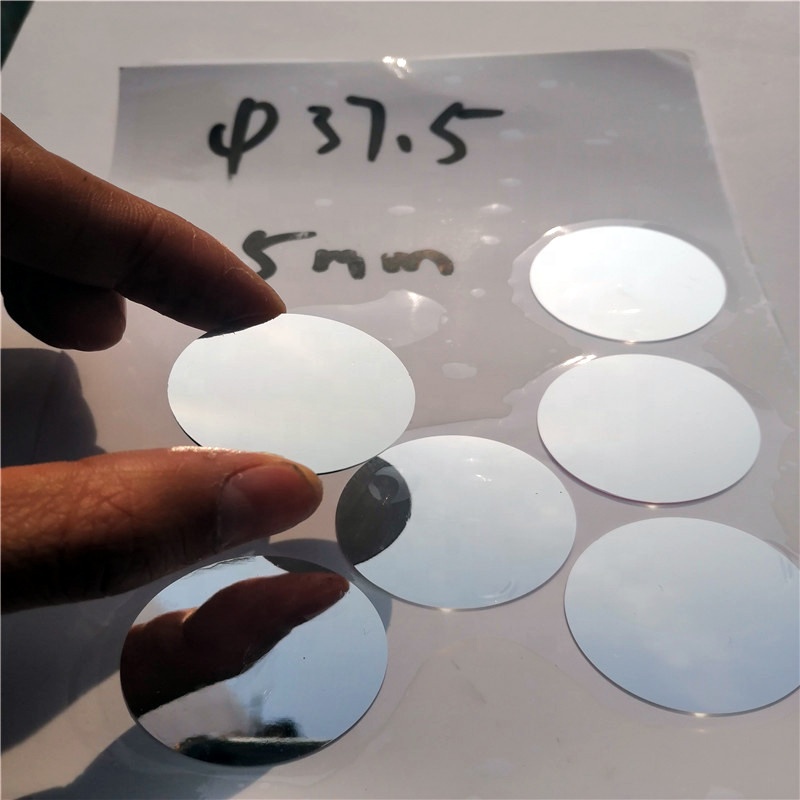
OEM Custom Heat Resistant Gobo Glass Lens
A heat-resistant gobo lens for stage, architectural and projector lighting, cut to drawing with optional dichroic coating and edge grinding.
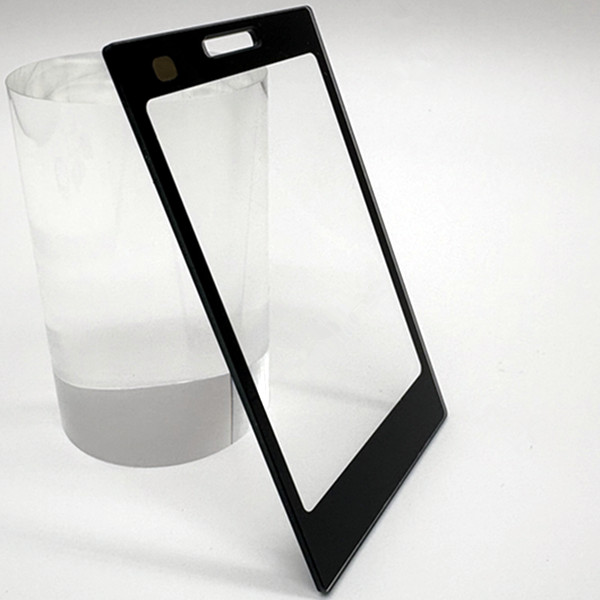
Factory Customized Black Glass Panel Silk Screen for Display Touch Electronic Glass
Black glass panel with silk-screen window and touch-display finish for HMI, appliances and electronic controls, with color matching available.

1.5mm 2mm Tempered Glass Thickness Touch Switch Glass Plate
Tempered touch switch plate for wall switches, smart-home panels and industrial controls, offering scratch resistance and stable printing.

Custom 0.3mm 0.5mm 0.7mm Heat Resistant Gobo Glass Blanks for Projector
Thin gobo blanks for projector and lighting OEMs, selected for thermal stability, clean optical edges and custom cutting.
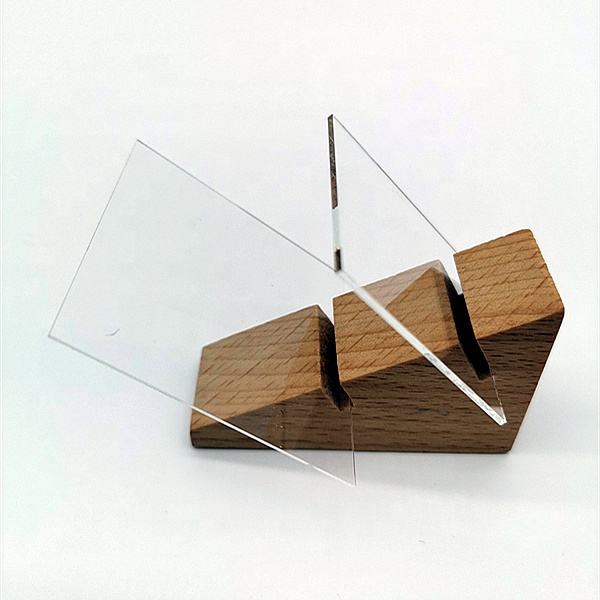
Custom Cut 0.5mm 0.7mm 1mm 1.5mm 2mm 2.5mm 3mm Corning Gorilla Temper Glass
Corning Gorilla glass sheets for scratch-resistant covers, CNC shapes and small-batch production from 0.5 mm to 3 mm.
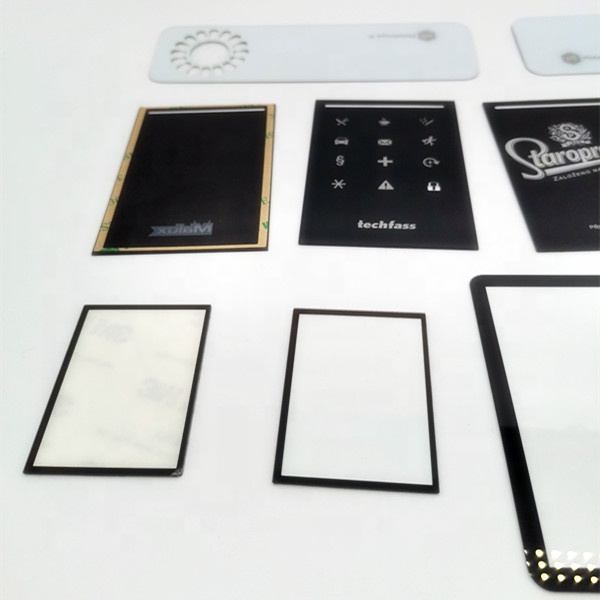
Custom Corning Gorilla Tempered Glass Silk Screen Printing for Touch Screen
Silk-screen printed Corning Gorilla glass for touch screens and displays, combining scratch resistance, decorative borders and optical clarity.
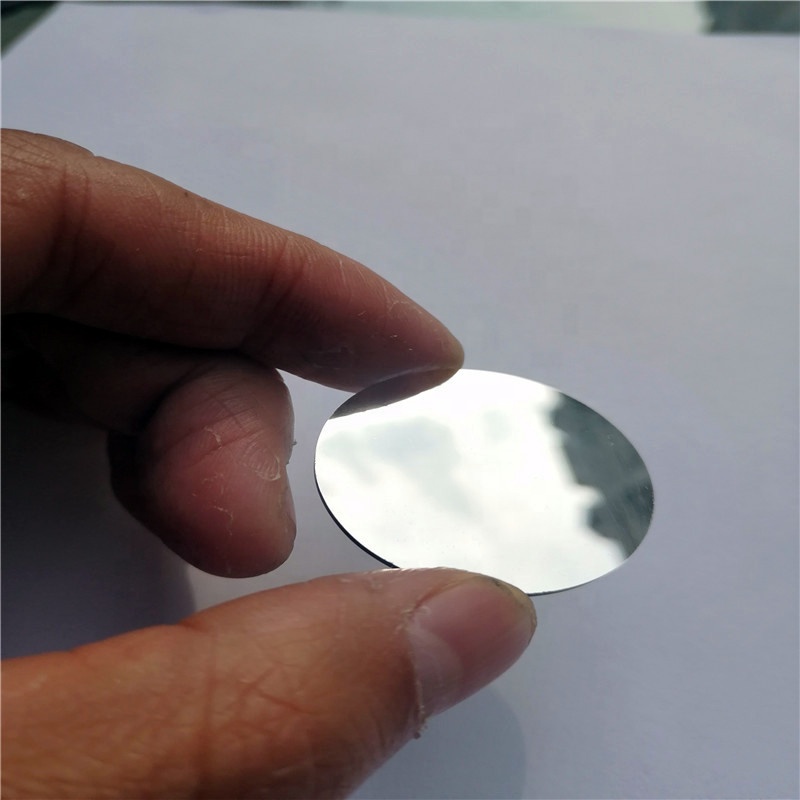
Gobo Glass/dichroic Mirror Lighting Filters Glass Lens
Gobo glass and dichroic mirror filters for lighting color separation, with heat resistance and custom wavelength performance.

Custom Cut 0.5mm 0.7mm 1mm 1.5mm 2mm Clear Toughened Glass Tempered Corning Gorilla Glass
Clear toughened Gorilla glass cut to size for display windows, instrument covers and thin protective glass where optical clarity matters.
What “Best” Really Means in China Scratch-Resistant Glass Sourcing
The phrase “China best scratch resistant glass manufacturers and wholesaler” usually combines several buying intents. A credible supplier page should answer each one with engineering evidence, not only adjectives.
Drop-In Replacement
You already have a glass part and need the same fit, print, thickness and surface performance without a new tooling cycle.
New Product Development
You need DFM feedback on material, edge finish, coating side and print registration before committing to a custom cover glass design.
Wholesale Cost Control
You are comparing unit price, packing cost, breakage risk and repeat-setup charges across China glass manufacturers.
Supplier Risk Reduction
You need traceable material, stable inspection records and export experience for display, lighting or instrument programs.
Scratch resistance is a system outcome. The substrate, strengthening method, coating stack, print ink, edge finish and packing all influence how a cover glass survives handling, cleaning and daily contact. For example, a thermally tempered soda-lime panel can be economical for 3 mm and thicker covers, while chemically strengthened alkali-aluminosilicate glass is usually preferred for 0.4–2 mm touch covers because it keeps flatness and optical clarity after ion exchange. Borosilicate 3.3 is selected for thermal shock resistance, and Corning Eagle XG is selected for alkali-free flatness in biochips, wafers and PLC substrates.
If a supplier quotes only “9H hardness” without a test method, substrate grade, thickness or coating details, treat it as incomplete information. Request the material grade, strengthening route, print color reference, coating side(s), dimensional report and packing method. These are the details that separate a repeatable wholesale program from a one-off sample. Information gain for buyers means knowing how to verify the claim — not simply collecting more claims.
Material Selection Matrix for Scratch-Resistant Glass
| Material | Typical Thickness | Strength / Performance Route | Best-Fit Applications | Procurement Note |
|---|---|---|---|---|
| Ultra-clear soda-lime | 0.5–4 mm | Thermal tempering or chemical strengthening | Display covers, AR panels, printed windows | Cost-effective; confirm edge quality and print adhesion |
| Alkali-aluminosilicate / Gorilla-type | 0.4–2 mm | Ion exchange | Touch covers, HMI, scratch-resistant display glass | Verify glass grade, flatness and scratch-test method |
| Borosilicate 3.3 | 0.3–3.3 mm | Low thermal expansion; heat and chemical resistance | Gobo, lighting covers, lab windows, heat-resistant glass | CTE around 3.3 × 10⁻⁶/K; ideal for thermal shock |
| Corning Eagle XG | 0.5–1.1 mm | Alkali-free boro-aluminosilicate substrate | Biochips, wafers, PLC substrates, micro-optics | Request flatness, surface quality and material traceability |
| Chemically strengthened thin glass | 0.15–2 mm | Ion exchange | Ultra-thin protectors, sensor covers, portable devices | Use special interleaved packing to control edge chipping |
Values are typical selection figures. Final specifications must be confirmed against the glass manufacturer datasheet, your 2D drawing and the agreed inspection standard.


Why Fevry Glass Is a Practical China Wholesaler for Scratch-Resistant Glass
Fevry Glass Co., Ltd. is based in Xinyu, Jiangxi, China, and serves optical, biological, semiconductor, communications, lighting and electronics customers. Our raw glass sourcing includes Corning, AGC and established Chinese optical-glass makers such as Chengdu Guangming and Xinhuguang. Processing uses laser, ultrasonic, CNC carving, grinding and inspection equipment imported from the USA, Germany and Japan.
That combination matters because a scratch-resistant cover is not only a material purchase. It is a tolerance, coating and handling programme. Public supplier records are part of our E-E-A-T commitment: the company has been an Alibaba.com member for 10+ years, maintains a 5.0/5 buyer rating, replies to most inquiries within 4 hours, and exports to Western Europe, the United States, Japan, South Korea, Taiwan, Hong Kong and Southeast Asia.
Material Provenance
Corning, AGC, Chengdu Guangming and Xinhuguang sourcing support consistent optical and thermal performance.
In-House Processing
Laser, CNC, ultrasonic, grinding and inspection capabilities reduce hand-offs between suppliers.
Coating & Printing
AR, dichroic, silk-screen and back-painting options are reviewed together with edge and packing requirements.
Export Discipline
Dimensional checks, visual inspection and interleaved packing are planned for fragile thin glass shipments.
Our stated principles — “Quality is superior, service is supreme, reputation is first” — and motto “Your success, our glory” describe the communication standard we apply to drawing reviews, sampling and shipment follow-up.
Scratch-Resistant Glass Procurement Trends Buyers Should Plan For
Purchasing teams are moving from lowest-price comparisons toward total risk, traceability and engineering responsiveness. These eight trends are shaping future RFQs for China glass manufacturers and wholesalers.
Dual-Source Supply
Buyers qualify a primary and backup glass processor for the same drawing, with separate approval samples and repeat-setup costs shown transparently.
Drawing-Led RFQs
DWG, DXF or PDF drawings with tolerances, edge finish, print colors and annual volume replace catalogue browsing for custom HMI glass.
Thinner, Larger Covers
0.5–1.1 mm chemically strengthened glass is moving into more displays, making flatness and packing quality as important as scratch resistance.
Integrated Coatings
AR, anti-glare, anti-fingerprint and hard-coat layers are specified together, so coating side and abrasion test methods must be agreed early.
Automotive & Smart-Home HMI
Decorative black borders, icon windows and touch sensor alignment require print registration checks, not only glass strength.
Traceability Records
Material certificates, batch records and inspection data are increasingly requested for medical, optical and automotive programs.
Smaller Sampling MOQs
Buyers validate fit and optics with 10–500 pieces before volume release, especially for gobo blanks and Eagle XG cut parts.
Sustainable Packing
Thin-glass shipments are being optimized with recyclable interleaving, reduced foam and better pallet utilization to cut damage and carbon.
Product Development Trends in Scratch-Resistant Glass
The next generation of scratch-resistant glass is not only harder. It combines optical function, thermal stability, printed electronics compatibility and tighter dimensional control.
Hybrid Strength + Optics
Chemically strengthened thin glass with double-sided AR and anti-fingerprint treatment is moving into premium displays and instrument covers.
Printed Glass That Hides Circuitry
Black mask, icon windows and IR-transparent ink areas support smart controls, automotive panels and clean industrial HMI design.
High-Power Lighting Glass
Borosilicate gobo blanks and dichroic filters are being specified for LED and stage lighting where heat cycles are demanding.
Bio & Optical Substrates
Eagle XG and glass wafers require flatness, alkali-free surfaces and precision cutting for micro-patterning and bonding.
Where Scratch-Resistant Glass Performs
Different applications prioritize different failure modes. A display cover may need AR and print registration; a lighting filter may need thermal shock resistance; a biochip substrate may need flatness and alkali-free chemistry.
Displays & Electronics
LCD protection glass, touch covers, smart-home panels and printed display windows.
Automotive & Smart-Home HMI
Dashboard trim glass, switch plates, sensor windows and decorative black borders.
Stage & Architectural Lighting
Gobo blanks, dichroic color filters and heat-resistant lighting covers.
Biotech & Analytical Instruments
Biochip substrates, analyzer filters and microscope-grade glass.
Semiconductor & Optical Communication
Glass wafers, PLC substrates, carrier glass and V-groove alignment parts.
Industrial Touch & Measurement
Flat, stable worktable glass, protective windows and touch control covers.
A Clear Four-Step Path from Drawing to Export Packing
Procurement teams need predictable communication. This process keeps material, coating, print and packing decisions visible before mass production.
Share the Drawing
Send DWG, DXF or PDF with dimensions, tolerances, thickness, material, edge finish, print colors and annual volume.
DFM & Material Review
We confirm manufacturability and recommend substrate, strengthening method, coating side and packing route.
Sample Approval
Samples validate fit, print registration, optical appearance and scratch-resistant surface performance.
Production & Packing
Mass production with dimensional and visual checks, followed by interleaved cushioned export packing.
Scratch-Resistant Glass Sourcing FAQ
These are the questions engineers and sourcing managers ask most often when comparing China glass manufacturers and wholesalers.
What makes glass scratch resistant?
Surface hardness, compressive stress from strengthening and coating quality all matter. Chemically strengthened glass gains a compressive layer through ion exchange; thermally tempered glass creates compression through heating and rapid cooling. A coating can improve fingerprint or glare performance, but the base glass and strengthening route still determine handling durability.
Is tempered glass always scratch resistant?
No. Tempered glass is stronger against impact and thermal stress, but scratch resistance still depends on glass composition and surface finish. For thin covers, ion-exchange strengthening is often preferred. Confirm the substrate and strengthening route, not only the word “tempered”.
Can you cut or drill tempered glass after strengthening?
No. Cutting, drilling, notching and edge grinding must be completed before thermal tempering or chemical strengthening. Post-strengthening machining can release the compressive layer and cause breakage. Share the final drawing before production so the process sequence is correct.
What MOQ should I expect for custom scratch-resistant glass?
Typical custom cover glass and AR glass programs start around 300–500 pieces. Some Eagle XG cut parts may start around 1,000 pieces, while selected gobo blanks can be sampled from 10 pieces. MOQ depends on material, print colors, coating setup and tooling.
How do I compare AR-coated glass suppliers?
Ask for coating side(s), target transmittance, reflected color, adhesion test, abrasion method and sample photos under the same lighting. AR coating is not automatically scratch resistant, so agree on a handling and cleaning standard before volume production.
What information should I send for a fast quote?
Send a 2D drawing, dimensions and tolerances, thickness, material, edge finish, hole and notch positions, strengthening method, print colors with Pantone references, AR coating side(s), end application and annual quantity. Complete RFQs reduce back-and-forth and sample revisions.
Which glass is better for gobo and high-heat lighting?
Borosilicate 3.3 is often selected because its coefficient of thermal expansion is about 3.3 × 10⁻⁶/K, roughly one-third that of soda-lime glass. For lighting filters, dichroic coating and edge quality also affect performance. Confirm lamp power and expected temperature cycles with the drawing.
How do you reduce breakage in export packing?
Use interleaved paper or protective film, cushioned corner protection, rigid inner trays and double-wall export cartons. For ultra-thin glass, declare stack limits and handling instructions. Packaging should be reviewed with the sample, not chosen after the order.
Send Your Drawing, Get a Manufacturable Glass Recommendation
Share thickness, print colors, AR side(s), edge finish and annual volume. Fevry Glass engineers usually reply within 4 hours with material and process guidance.