Eight Custom Glass Window Products for OEM Evaluation
These are drawing-based technical glass products, not stock commodity sheets. Compare substrate, thickness, strengthening, printing, coating and application before requesting samples.
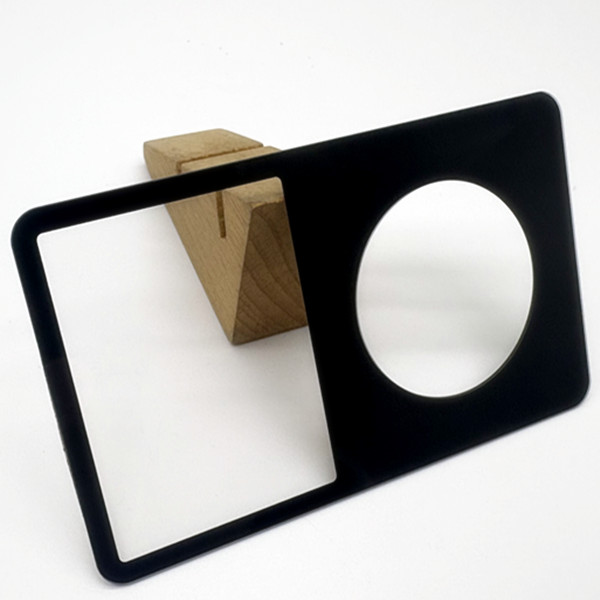
Factory Custom Smart Silkscreen Gorilla Glass Panel Tempered Glass Printing Glass
Printed Gorilla glass for smart displays, control panels and HMI windows where clarity and ink sharpness matter.

1.5mm 2mm Tempered Glass Thickness Touch Switch Glass Plate
Tempered touch-switch cover glass for appliances, wall controls and electronic interfaces.

Customized Tempered Anti-Reflective Glass AR Coated Tempered Glass
AR-coated tempered windows for displays and instruments requiring reduced reflection and higher light transmission.
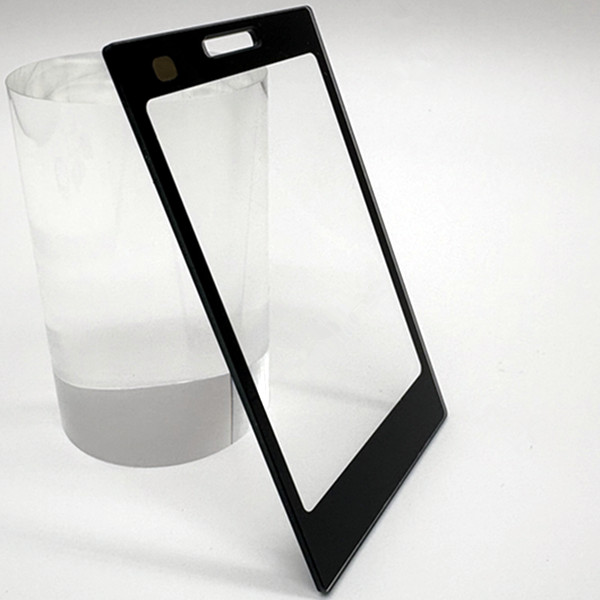
Factory Customized Black Glass Panel Silk Screen for Display Touch Electronic Glass
Black printed display glass for touch electronics, with controlled color density and window clarity.
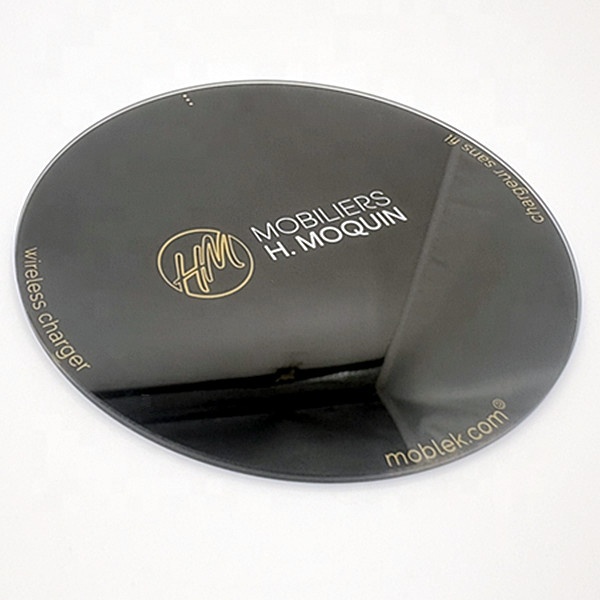
Custom Black Border Tempered Glass Panels Silk Screen Print Tempered Glass
Silk-screened tempered glass with black border printing for visual framing and light control.
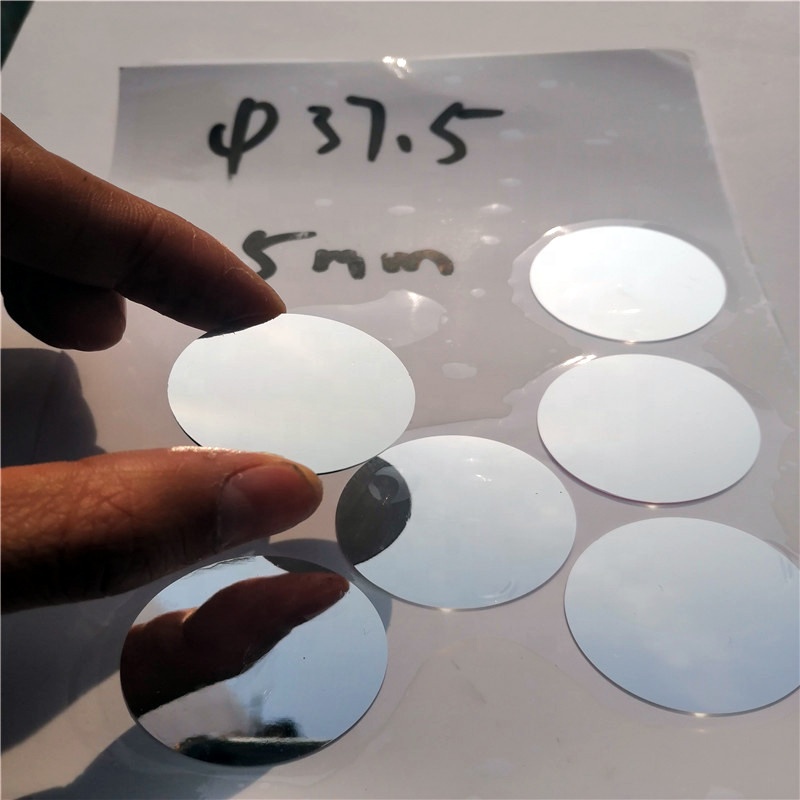
OEM Custom Heat Resistant Gobo Glass Lens
Heat-resistant gobo glass for stage, studio and architectural lighting systems.

0.3mm ~ 2mm Dichroic Glass Mirror for Gobos
Thin dichroic mirror glass blanks for precise gobo projection and color separation.
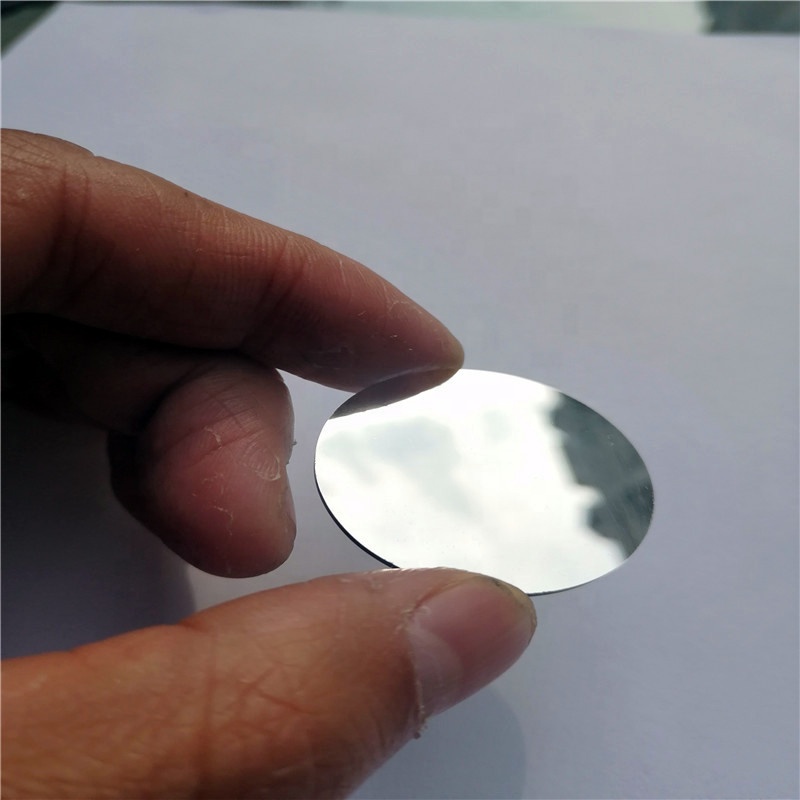
Gobo Glass/dichroic Mirror Lighting Filters Glass Lens
Dichroic mirror and lighting filter lens for color management in high-brightness lighting.
Public supplier records should be verified at the time of purchase. Fevry’s profile also shows a 5.0/5 buyer rating and export service to Western Europe, the United States, Japan, South Korea, Taiwan, Hong Kong and Southeast Asia.
Why “Quartz Glass Window” Sourcing Rewards a Material-First RFQ
International buyers often search for “China best quartz glass window manufacturer & exporters” when they need a supplier who can interpret a drawing, not simply quote a stock sheet. In practice, the phrase “quartz glass window” is used across display, lighting, analytical instrument, semiconductor, smart-home and architectural electronics industries. It may refer to fused quartz or fused silica, high-silica glass, borosilicate 3.3, alkali-free Corning Eagle XG, chemically strengthened cover glass, or an AR-coated soda-lime window. Each material has a different coefficient of thermal expansion, UV cutoff, dielectric behavior, scratch resistance and strength profile.
Choosing the wrong grade can cost more than the glass itself. It may appear later as thermal cracking during lamp testing, coating haze after humidity exposure, seal failure on a biochip, ink adhesion loss on a printed border, or dimensional drift in an optical fixture. A stronger supplier relationship therefore begins with the application: operating temperature, wavelength range, impact risk, cleaning chemicals, touch interface, outdoor exposure and assembly method.
Fevry Glass Co., Ltd. is a specialty glass manufacturer and exporter based in Xinyu, Jiangxi, China. The company works with raw glass sourced from Corning, AGC and established Chinese optical-glass producers such as Chengdu Guangming and Xinhuguang, then processes it on laser, ultrasonic, CNC, grinding and inspection equipment imported from the USA, Germany and Japan. The portfolio covers tempered and chemically strengthened cover glass, AR-coated windows, silk-screen printed panels, borosilicate 3.3, Eagle XG substrates, glass wafers, dichroic lighting glass and gobo blanks.
Rather than ranking suppliers by a subjective “best” claim, a more reliable approach is to score each candidate on five evidence points: material traceability, drawing review capability, strengthening control, optical inspection and export packing. This guide explains those points in the practical language used by engineers and procurement teams.
What to send in the first RFQ
Complete information reduces quotation cycles and sample risk.
- 2D drawing in DWG, DXF or PDF with outline dimensions and tolerances
- Glass material and thickness, or the application if material is open
- Edge finish, hole and notch positions, chamfer and surface quality
- Strengthening method: thermal tempering or chemical strengthening
- Print colors with Pantone references, window and icon areas
- AR coating side, wavelength target, transmission or reflection target
- Annual quantity, sample quantity and target production schedule
Four Specification Levers That Determine Window Performance
A glass window is a system of substrate, strength, coating and printed graphics. Changing one lever can affect another, so define them together before sampling.
Substrate grade
Start with CTE, thermal shock, UV cutoff and flatness. Fused silica, borosilicate 3.3, Eagle XG and soda-lime glass are not interchangeable merely because all are transparent.
Strengthening route
Thermal tempering suits thicker panels, often around 3 mm and above. Chemical strengthening is preferred for 0.15–2 mm thin glass. Cutting and drilling must be completed before strengthening.
Optical coating
“AR coating” is not a complete specification. Define coating side, wavelength band, target transmission or reflection, adhesion test and environmental reliability expectations.
Print and edge finish
Silk-screen borders, icons and black windows must be matched to Pantone references. Edge chips, micro-cracks and ink pinholes can become field failures after assembly.
Compare Glass Grades Before You Request a Quotation
Use this matrix for preliminary selection, then confirm final properties against the manufacturer datasheet and your drawing.
| Material | Typical CTE | Strength / Thermal Behavior | Best-fit applications | Procurement note |
|---|---|---|---|---|
| Fused quartz / fused silica | ≈ 0.5 × 10⁻⁶/K | Excellent thermal shock resistance; high purity grades support UV and semiconductor uses | Optical windows, lamp envelopes, lab ware, high-temperature viewing ports | Verify grade, OH content, bubble class, UV cutoff and annealing data before sampling |
| Borosilicate 3.3 | ≈ 3.3 × 10⁻⁶/K | Low expansion and good resistance to thermal shock and chemical exposure | Lighting covers, gobo blanks, heat-resistant windows, instrument glass | Widely available and cost-effective where moderate UV performance is acceptable |
| Corning Eagle XG | ≈ 3.2 × 10⁻⁶/K | Alkali-free boro-aluminosilicate with excellent flatness and dimensional stability | Biochips, analyzer filters, glass wafers, PLC substrates, micro-optics | Thickness choice and surface quality should be locked before wafer dicing or bonding |
| Ultra-clear soda-lime | ≈ 9.0 × 10⁻⁶/K | Economical; requires thermal or chemical strengthening for many touch and cover uses | Display cover windows, AR panels, printed control panels, appliance glass | Use low-iron glass when color neutrality and high visible transmission are required |
| Gorilla-style alkali-aluminosilicate | ≈ 7.5–8.5 × 10⁻⁶/K | High scratch resistance after ion exchange; suitable for thin cover glass | Touch displays, HMI windows, smart-home panels, handheld electronics | Confirm whether the drawing requires branded Gorilla glass or an equivalent strengthened glass |
Typical values are for engineering discussion only. Final material certificates, tolerance and acceptance criteria should be agreed in the purchase specification.
Recommended Glass Window Choices by End Use
Match the window to its working environment first, then choose the most economical processing route.
Display and touch windows
Choose chemically strengthened or tempered cover glass with AR coating and silk-screen borders for LCD protection, control panels and HMI displays.
Lighting and gobo windows
Use borosilicate or heat-resistant glass for stage, film and architectural lighting. Dichroic coatings require clear wavelength targets.
Optical and biochip windows
Low-CTE Eagle XG and high-transmission AR windows support analyzers, micro-optics and bonding processes where flatness matters.
Automotive and smart-home panels
Printed tempered glass improves visual integration for dashboards, appliance panels and smart-home control windows.
What the Next Generation of Glass Windows Will Be Expected to Do
Glass windows are moving from passive protection toward functional optical, printed and touch-enabled interfaces.
Function integration
AR coating, anti-glare treatment, capacitive touch, printed icons and display windows are increasingly combined in one glass part. The supplier must control each process without disturbing the others.
Ultra-thin strengthening
Chemically strengthened glass from 0.15 mm to 2 mm enables lighter sensor covers, thin HMI stacks and compact optical assemblies while maintaining impact resistance.
Low-CTE substrates
Eagle XG and borosilicate 3.3 are becoming more important for biochips, PLC substrates and optical alignment where flatness and dimensional stability reduce assembly variation.
Thermal management for lighting
High-brightness LED and stage lighting demand gobo, filter and cover glass that can tolerate heat cycles. Buyers are asking for thermal shock data, not only visual samples.
Printed display windows
Silk-screen borders, IR-transparent windows, icon masks and back-painted areas help designers hide electronics while keeping optical windows sharp and consistent.
Digital quality records
First-article reports, lot traceability, dimensional inspection and optical defect records are becoming standard expectations for OEM glass procurement, especially in regulated industries.
How Global OEMs Will Compare Glass Window Suppliers
The lowest unit price is rarely the lowest total cost when fragile technical glass must arrive clean, flat and assembly-ready.
Total landed cost
Packaging, breakage rate, re-inspection and line stoppage can outweigh a small piece-price difference. Request packaging drawings and shipping validation for thin glass.
Dual-source qualification
OEMs increasingly validate one primary and one backup source before ramp-up. This requires drawings, samples, acceptance criteria and process stability to be documented early.
Drawing-first digital RFQ
Use DWG, DXF or PDF drawings instead of long email descriptions. A drawing with tolerances, material, print colors and coating sides reduces quotation loops.
Small-batch validation
Buyers increasingly start with samples or low-volume production for fit and optical checks, then scale. Clear MOQ and ramp-up planning prevent surprises.
Compliance evidence
Material declarations, coating information and inspection records are requested more often. Buyers should define the standard and acceptance method instead of relying on generic claims.
Verification beyond badges
Check supplier assessment records, credit profile, trade history, buyer reviews and sample performance. A 10+ year marketplace record and a 5.0/5 rating are useful signals, but not a substitute for engineering review.
Fevry Glass: A China Manufacturer and Exporter Built for Custom Technical Glass
Fevry combines material sourcing, precision processing, optical coating, printing, inspection and export packing in one supply chain. The guiding principle is “Quality is superior, service is supreme, reputation is first”; the company motto is “Your success, our glory”.
Drawing-led engineering review
Each RFQ is reviewed for material, thickness, edge finish, strengthening, printing and coating. Engineers flag manufacturability risks before sampling.
Traceable raw glass sourcing
Material can be sourced from Corning, AGC and established Chinese optical-glass producers such as Chengdu Guangming and Xinhuguang, supporting repeatable optical and thermal performance.
Imported processing equipment
Laser, ultrasonic, CNC carving, grinding and inspection equipment imported from the USA, Germany and Japan supports tight outlines and consistent edges.
Integrated process chain
Cutting, thermal tempering, chemical strengthening, AR and dichroic coating, silk-screen printing, back painting and inspection can be coordinated under one technical dialogue.
Export market experience
Fevry serves customers in China and exports to Western Europe, the United States, Japan, South Korea, Taiwan, Hong Kong and Southeast Asia, with packing designed for fragile thin glass.
Verifiable service record
Public supplier signals include 10+ years as an Alibaba.com member, a 5.0/5 buyer rating, a 100% inquiry response rate and a typical response time within four hours. Verify current records before ordering.
A Clear Path from Drawing Review to Export Packing
Predictable communication matters as much as optical performance when custom glass crosses borders.
Share the drawing
Send the 2D drawing, material or application, tolerance, print colors, coating side, annual quantity and target schedule.
Engineering review
Confirm substrate, thickness, edge finish, strengthening route, coating target and manufacturability before quotation.
Sample approval
Validate fit, printing, AR appearance, dimensional tolerance and packing method before mass production.
Production and packing
Run production with dimensional and visual checks, then use interleaved, cushioned export packing for thin glass.
Common Questions About Custom Quartz and Technical Glass Windows
Clear answers for engineers, sourcing managers and product teams evaluating a custom glass window project.
Is quartz glass the same as borosilicate 3.3 glass?
No. True fused quartz or fused silica has a much lower coefficient of thermal expansion and different UV transmission than borosilicate 3.3. Borosilicate 3.3 is a low-expansion glass widely used for heat-resistant windows, lighting covers, gobo blanks and instrument glass. For a “quartz glass window” drawing, clarify whether the requirement is true fused silica, high-silica glass or borosilicate 3.3, and define thermal, optical and purity requirements before sampling.
Should I choose chemically strengthened or thermally tempered glass?
Thermal tempering is best for glass around 3 mm and thicker. For ultra-thin cover glass from 0.15 mm to about 2 mm, chemical strengthening by ion exchange increases surface strength while keeping the sheet flat and optically clean. In both routes, cutting, drilling and edge grinding must be completed before strengthening because the glass cannot be re-cut afterward without losing strength.
What information is needed to evaluate a custom glass project?
Please send a 2D drawing in DWG, DXF or PDF with outline dimensions and tolerances, thickness, glass material, edge finish, hole and notch positions, strengthening method, print colors with Pantone references, AR coating side, application and annual quantity. If the material is not specified, describe the operating temperature, wavelength range, cleaning chemical, assembly method and impact risk so the engineering team can recommend a substrate.
What is the minimum order quantity and can samples be arranged?
Most custom cover glass and AR glass items start from 300 to 500 pieces, selected Eagle XG cut parts can start from 1,000 pieces, and selected gobo glass blanks can start from 10 pieces. Samples can usually be arranged to validate fit and optical performance before mass production. Final MOQ depends on material, size, printing, coating and yield.
Which markets does Fevry Glass export to?
Fevry serves customers in China and exports to Western Europe, the United States, Japan, South Korea, Taiwan, Hong Kong and Southeast Asia. Export packing is planned around the fragility of thin glass, print protection and coating surface care.
How can I reduce breakage and optical defects in international shipping?
Define the packing method before production, request interleaved and cushioned packaging for thin sheets, protect printed and coated surfaces, and agree on inspection criteria for chips, scratches, pinholes and coating defects. For critical projects, approve a sample shipment and packing drawing before the mass-production order proceeds.
Send a Drawing. Get an Engineer-Led Glass Window Quotation.
Email your specifications, target annual quantity and application details. Fevry typically replies within four hours with technical feedback on material, strengthening, printing and coating.