Start With the Part, Not the Price List
These eight product families reflect the most common searches from display, touch, lighting, biotech and optical buyers. Each link preserves the original Fevry Glass product URL so technical teams can verify specifications, images and inquiry details before comparing factories or wholesalers.
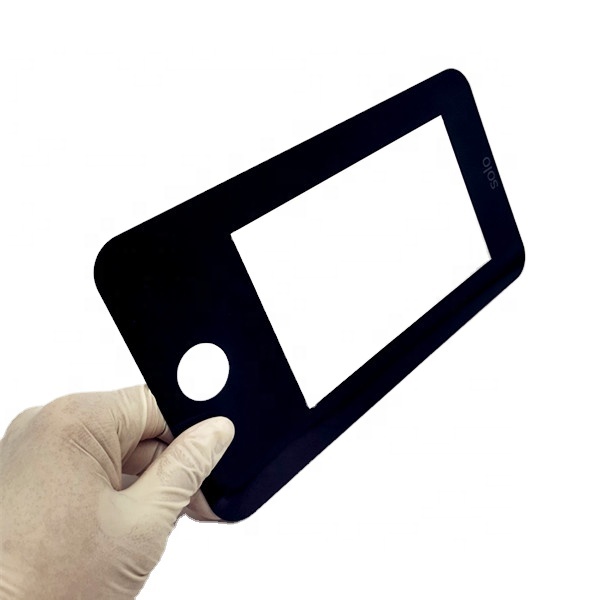
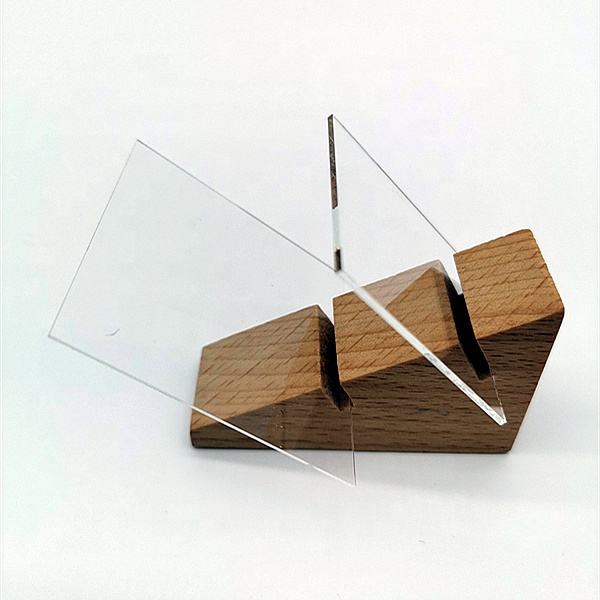
Custom Cut 0.5mm 0.7mm 1mm 1.5mm 2mm 2.5mm 3mm Corning Gorilla Temper Glass
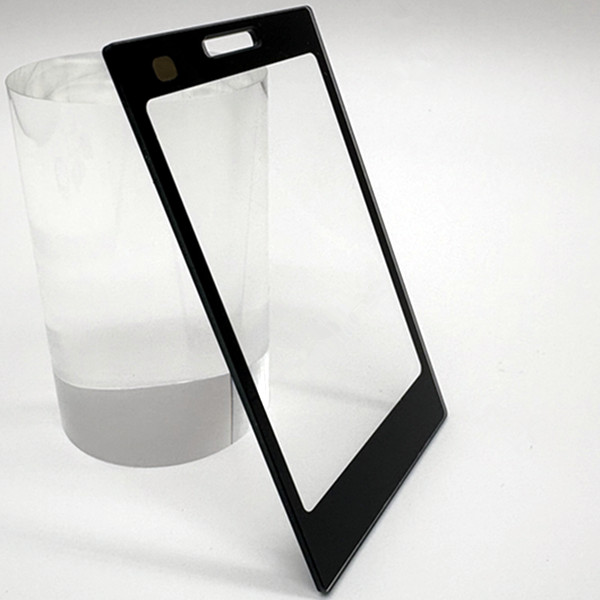
Factory Customized Black Glass Panel Silk Screen for Display Touch Electronic Glass
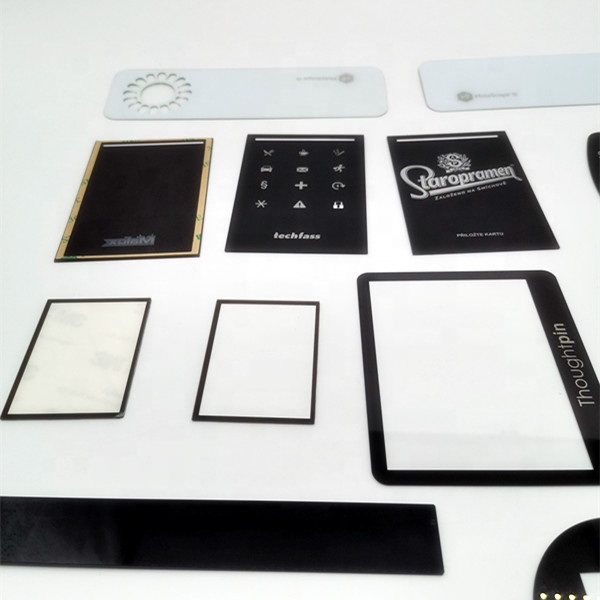
Custom Display Screen Silk Screen Printing Tempered Gorilla Glass

Custom Chemically ultra Thin Clear Transparent Tempered Glass Sheet

1.5mm 2mm Tempered Glass Thickness Touch Switch Glass Plate


Custom 0.3mm 0.5mm 0.7mm Heat Resistant Gobo Glass Blanks for Projector
Why the Search Term “Quartz Glass Substrate” Deserves a Technical Rethink
In China’s specialty glass market, the phrase “quartz glass substrate” is often used as a broad purchasing category rather than a precise material specification. Some buyers mean fused quartz with very high SiO₂ purity; others mean fused silica, borosilicate 3.3, alkali-free boro-aluminosilicate glass such as Corning® Eagle XG, or even strengthened soda-lime cover glass used in displays and touch panels. The distinction matters because CTE, transmission, thermal shock resistance, flatness, coating compatibility and cost can differ dramatically between these materials.
For a sourcing director, the useful question is not “Who sells the cheapest quartz glass substrate in China?” but “Which substrate, process route and inspection standard will make my product reliable at volume?” A display cover glass that needs AR coating, silk-screen printing and scratch resistance may be better served by chemically strengthened low-iron glass or Gorilla® glass than by a high-purity fused quartz sheet. A biochip, PLC substrate or optical analyzer filter may require alkali-free Eagle XG because dimensional stability and low thermal expansion are more valuable than raw hardness.
This is also where many directory-style supplier lists fail. They compare factories by headline capacity, logo walls or price ranges, but do not show whether the supplier controls cutting, edge grinding, strengthening, coating, printing and final inspection. For custom glass substrates, the best factory is not the one that claims the broadest catalogue; it is the one that can document material origin, process sequence, measurement method and packing discipline for fragile thin glass.
A wholesaler can still be useful for standard stock, small urgent lots or mixed orders, especially when the buyer already knows the exact material and tolerance. But for a new cover glass, a printed touch panel, a heat-resistant gobo blank or an Eagle XG biochip substrate, the safer route is to work with a supplier that can trace the raw sheet to a known glassmaker and keep the same process control from sample to mass production.
How to Judge China Best Quartz Glass Substrate Factories & Wholesalers
A high-trust supplier should make verification easy. These four evaluation layers help procurement teams separate a process-controlled factory from a catalogue-driven trading intermediary.
Material Traceability
Ask for the raw glass source, batch reference, datasheet and CTE report. For Corning®, AGC, Chengdu Guangming, Xinhuguang or other optical glass, traceability reduces the risk of hidden material substitution.
Process Control
Cutting, drilling, notching and edge grinding must be completed before thermal tempering or chemical strengthening. A supplier that understands this sequence avoids scrap, edge chipping and optical distortion.
Metrology & Inspection
Thickness, outline dimension, flatness, edge quality, print alignment, coating transmission and visual defects should be checked against the drawing — not simply described as “high quality.”
Export Discipline
Thin glass fails in transit when packing is generic. Interleaved protection, cushioned corners, moisture control and carton strength are part of the product quality, especially for mixed SKU shipments.
These metrics are useful only when they are connected to real order behaviour. A 5.0/5 buyer rating, visible trade history and a third-party supplier assessment are stronger signals than a slogan such as “top quartz glass factory in China.” Buyers should combine commercial verification with a technical sample review: edge quality under magnification, print registration, AR coating colour consistency, thickness variation and packing trial.
Material-to-Application Recommendation Matrix
Use this matrix before sending an RFQ. The best substrate is the one that satisfies the application’s thermal, optical, mechanical and assembly requirements at a repeatable yield.
Displays, Touch & HMI
Choose ultra-clear tempered glass, Gorilla® glass or low-iron cover glass when scratch resistance, print alignment and AR coating matter. For thin touch stacks, chemical strengthening is usually preferred over thermal tempering.
Lighting & Projection
Borosilicate 3.3 and heat-resistant gobo glass blanks are suitable for high-power lighting, projector gobos, dichroic filters and heat-exposed windows. Confirm thermal shock and coating durability before tooling.
Biotech, PLC & Wafers
Alkali-free Corning® Eagle XG is often specified for biochips, analyzer filters, PLC substrates and micro-optics where flatness, low expansion and dimensional stability are critical.
Automotive & Appliance Panels
Black silk-screen glass, back-painted glass and 1.5–2 mm tempered touch switch plates combine decoration with durability. Pantone colour control and print registration are key approval points.
Optical Filters & Mirrors
Dichroic coatings, AR coatings and borosilicate mirror substrates serve imaging, analysis, stage lighting and instrument applications. Ask for coating curves, adhesion testing and side-specific orientation.
Ultra-Thin Sensor Covers
For 0.15–2 mm sensor windows and protectors, ion-exchange strengthening preserves flatness and optical clarity. Avoid post-strengthening cutting, because tempered or chemically strengthened glass cannot be reworked like raw sheet.
2025–2030 Procurement Trends for Quartz and Specialty Glass Substrates
Buying behaviour is shifting from price-first sourcing to resilience, traceability and total landed cost. The strongest China glass substrate factories and wholesalers will be judged by how well they support that shift.
Dual-Region Sourcing
OEMs increasingly qualify one primary supplier in China and a secondary material source or buffer inventory closer to the assembly plant. This reduces disruption from freight volatility, coating capacity constraints or sudden raw glass lead times. Wholesalers with multi-material stock can support urgent changeovers, but factories with documented process control remain essential for custom parts.
Traceability Becomes Part of Quality
Expect RFQs to request material origin, batch records, CTE and transmission data, coating run parameters and dimensional inspection reports. The old habit of approving a sample and then accepting “equivalent” production material is being replaced by lot-level documentation, especially in biotech, automotive and optical communication supply chains.
Landed Cost Over Unit Price
A lower piece price can disappear after breakage, re-inspection, delayed assembly or failed coating yield. Procurement teams are modelling yield, packaging, freight, inventory and rework risk together. For thin glass, the supplier’s packing design may be as important as the cutting tolerance.
Another procurement trend is earlier supplier involvement. Instead of sending a fully fixed drawing after design freeze, engineering teams increasingly share the application, annual volume, coating requirement and assembly method before finalizing thickness and edge finish. This allows the glass supplier to flag risks such as edge chipping after strengthening, print misalignment on curved outlines, AR coating orientation, or an unrealistic flatness target that raises cost without improving performance.
Finally, sustainability and audit readiness are entering purchasing scorecards. Cleaner coating processes, recyclable packing, energy reporting and responsible material sourcing are becoming questions in supplier qualification. A factory that can answer them with evidence will have an advantage over a wholesaler that can only forward a quotation.
Where Specialty Glass Substrate Technology Is Moving
The next wave of product development is not about one material replacing another. It is about matching material, strengthening, coating, printing and inspection more precisely to the end application.
Ultra-Thin Chemically Strengthened Glass
For 0.15–2 mm sensor covers and touch surfaces, ion-exchange strengthening delivers higher surface strength while keeping the sheet flat and optically clean. The trend is toward thinner stacks without sacrificing impact resistance or coating compatibility.
AR-Coated Cover Glass
Double-sided anti-reflective coatings can raise transmission to roughly 98% in well-controlled processes, reducing glare and improving display readability. Buyers increasingly ask for coating curves, adhesion tests and side-specific orientation rather than a simple “AR” label.
Borosilicate 3.3 for Thermal Shock
With a CTE of about 3.3 × 10⁻⁶/K, borosilicate 3.3 resists rapid temperature change far better than soda-lime glass. It remains a strong choice for lighting covers, heat-resistant windows, gobo blanks, laboratory glass and instrument components.
Alkali-Free Eagle XG Substrates
Corning® Eagle XG is valued for low thermal expansion, fusion-formed flatness and dimensional stability. It supports biochip patterning, analyzer filters, glass wafers, PLC substrates and precision optical alignment where sodium migration or warpage would be unacceptable.
Integrated Printing & Decoration
Silk-screen printing, icon windows, black borders, back painting and IR-transparent ink areas turn a bare substrate into a finished front panel. The supply chain advantage goes to factories that can keep print registration stable after strengthening.
Application-Specific Inspection
Glass is no longer inspected only by size and visual defects. Transmission, haze, flatness, edge micro-chipping, coating adhesion and print colour are becoming product-specific quality gates, especially for automotive, biotech and optical communication buyers.
What a High-Trust China Substrate Partner Looks Like: Fevry Glass
Fevry Glass Co., Ltd. is a specialty glass supplier based in Xinyu, Jiangxi, China, serving optical, biological, semiconductor, communications, lighting and electronics customers with glass processed to drawing.
The company combines raw material access with in-house processing. Fevry sources glass from Corning, AGC and other multinational producers and works closely with established Chinese optical glass makers such as Chengdu Guangming and Xinhuguang. That material base covers Eagle XG, borosilicate 3.3, transparent ceramic glass, optical filter glass, glass wafers, dichroic glass and ultra-thin chemically strengthened glass.
Processing is supported by laser, ultrasonic, CNC carving, grinding and inspection equipment imported from the USA, Germany and Japan. For buyers, this matters because a single supplier can handle cutting, drilling, edge grinding, thermal or chemical strengthening, AR or dichroic coating, silk-screen printing, back painting and final inspection — reducing hand-offs, tolerance stack-up and accountability gaps.
Verified Commercial Track Record
10+ years as an Alibaba.com member, a 5.0/5 buyer rating, 100% inquiry response rate, ≤4-hour average response time and export experience across Western Europe, the United States, Japan, South Korea, Taiwan, Hong Kong and Southeast Asia.
Traceable Material Access
Corning®, AGC, Chengdu Guangming and Xinhuguang material sources support repeatable optical, thermal and dimensional performance. Buyers can request material data before committing to tooling or mass production.
Imported Process Equipment
Laser, ultrasonic, CNC carving, grinding and inspection equipment from the USA, Germany and Japan help control outline accuracy, edge quality, flatness and surface appearance for demanding custom parts.
Coating & Strengthening Breadth
Thermal tempering for thicker panels, ion-exchange for 0.15–2 mm thin glass, AR coating on one or both sides, dichroic and filter coatings, and silk-screen or back-painted decoration under one quality system.
Application Experience
Hands-on experience with optical, biological, semiconductor, communications, lighting and electronics applications helps engineers flag manufacturability risks before samples are made.
Export-Ready Quality & Packing
Inspection of size, thickness, flatness, print and visual defects is paired with fragile-goods export packing designed for international shipping and mixed-SKU orders.


Quartz Glass Substrate Sourcing FAQ for OEM Buyers
Direct answers to the technical and commercial questions engineers and sourcing managers ask most often when comparing China factories and wholesalers.
What is the difference between quartz glass, fused silica, borosilicate 3.3 and Corning® Eagle XG?
Quartz and fused silica generally refer to high-purity SiO₂ materials with very low thermal expansion and excellent optical properties, but sourcing terminology is often loose. Borosilicate 3.3 is an engineering glass with a CTE of about 3.3 × 10⁻⁶/K and excellent thermal shock resistance. Corning® Eagle XG is an alkali-free boro-aluminosilicate glass used for biochips, wafers, PLC substrates and micro-optics. A professional supplier should ask for your CTE, transmission, flatness, strengthening and coating requirements before recommending a material.
How can I tell a real glass substrate factory from a trading wholesaler?
Ask for the process flow, equipment list, material traceability, in-process inspection records and sample-to-production consistency plan. A factory should be able to explain how cutting, edge grinding, strengthening, coating and printing interact. A wholesaler may still be useful for standard stock, but custom substrates need clear ownership of quality at each production step.
Should I choose thermal tempering or chemical strengthening?
Thermal tempering is generally best for glass around 3 mm and thicker. For ultra-thin cover glass from 0.15 mm to about 2 mm, chemical strengthening by ion exchange increases surface strength while keeping the sheet flat and optically clean. In both routes, cutting, drilling and edge grinding must be completed before strengthening, because strengthened glass cannot be re-cut or re-drilled without losing strength.
When is borosilicate 3.3 better than soda-lime glass?
Borosilicate 3.3 expands only about one third as much as soda-lime glass when heated, so it tolerates rapid temperature changes far better. Choose it for lighting covers, heat-resistant windows, gobo blanks, laboratory glass and instrument components where thermal shock or chemical exposure is expected. Soda-lime or low-iron glass may still be more economical for decorative cover glass where thermal loading is modest.
Why is Corning® Eagle XG used for biochips, wafers and PLC substrates?
Eagle XG is an alkali-free boro-aluminosilicate glass with low thermal expansion and a fusion-formed surface that offers excellent flatness and dimensional stability. These properties support micro-patterning, bonding and precise optical alignment, making it suitable for biological analyzer filters, biochip substrates, glass wafers and PLC components.
What is the minimum order quantity for custom glass substrates?
Most custom cover glass and AR glass items start from about 300–500 pieces. Some custom-cut Eagle XG parts may start from 1,000 pieces, while selected gobo glass blanks can be arranged from as few as 10 pieces. MOQ depends on material availability, coating setup, print colors and the number of sizes in the order. Samples can be arranged to validate fit and optical performance before mass production.
What information do I need to send for an accurate quotation?
Send a 2D drawing in DWG, DXF or PDF with outline dimensions and tolerances, thickness, glass material, edge finish, hole and notch positions, strengthening method, print colors with Pantone references, AR coating side or sides, end application and estimated annual volume. For optical parts, include transmission targets, flatness requirements and any coating curve or adhesion standard. Complete information lets engineers respond with a firm recommendation in one round.
How should I compare unit price versus landed cost?
Compare yield, breakage rate, coating and print rejection rate, packing cost, freight, inspection time and assembly-line risk, not only the per-piece quote. Thin glass with fragile edges can create hidden costs at incoming inspection and during assembly. A slightly higher quoted price from a process-controlled supplier may produce a lower landed cost once rework, delay and scrap are included.
Which export markets does Fevry Glass serve?
Besides domestic customers in China, Fevry Glass regularly serves buyers in Western Europe, the United States, Japan, South Korea, Taiwan, Hong Kong and Southeast Asia. Export packing is designed for fragile thin glass and custom mixed orders.
Have a Drawing or a Target Transmission Curve?
Send your dimensions, material preference, thickness, strengthening method, print colors and AR coating requirements. Our engineers typically reply within four hours with a manufacturability review and a clear next step.