2026–2030 OEM sourcing white paper

China Best Glass Panel Exporters & Wholesaler

An engineer-led buyer guide to custom tempered, AR-coated, silk-printed, borosilicate and AF32 glass panels — with product recommendations, procurement trends, material selection, export qualification and responsive support from Fevry Glass Co., Ltd.

Recommended export range

8 Glass Panel Products for Global OEM Buyers

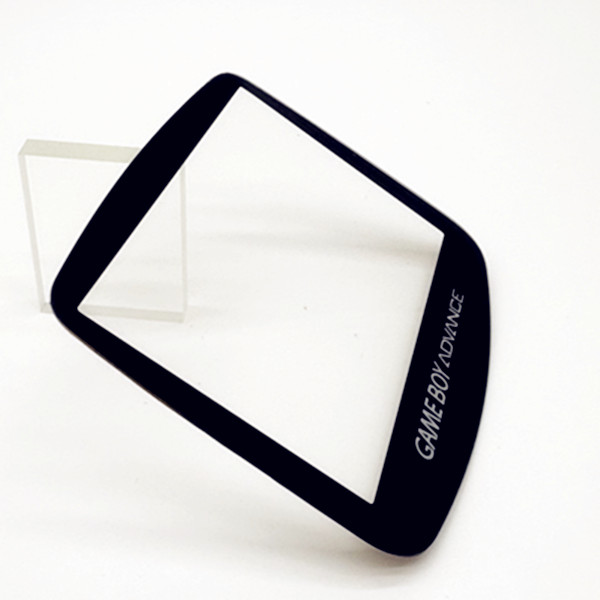
These eight panel families cover display protection, HMI fascia, stage lighting, precision instruments, anti-reflective windows and alkali-free technical glass. Each product link preserves the original product page so engineers and buyers can review specifications, samples and quotation details.

Supplier performance snapshot

Signals Buyers Can Check Before Requesting a Quote

The strongest sourcing decision is not based on one price list. It combines public trading signals, material traceability, process capability and engineering responsiveness.

10+ yrsAlibaba.com member experience
≤4 hAverage response time
100%Inquiry response rate
5.0/5Buyer rating shown on the supplier profile
Executive white paper

Why the “China Best Glass Panel Exporters & Wholesaler” Search Is Changing

Commercial searches for China best glass panel exporters & wholesaler usually come from three buyer states: a new product launch, a second-source qualification, or a cost-down project. The winning supplier must satisfy all three.

Glass panels are no longer treated as a commodity cut from a sheet. For a touch display, the panel is part of the optical stack. For an automotive HMI, it is part of the perceived quality of the vehicle interior. For stage lighting, it is part of a thermal management system. For a diagnostic instrument, it can influence optical alignment and chemical compatibility. That is why serious buyers compare material, coating, printing, strengthening, edge quality, packing and supplier response together rather than selecting on square-meter price alone.

The most expensive glass panel is rarely the one with the highest piece price. It is the one that causes line stoppage, incoming inspection rejects, field returns or a delayed product launch. A professional China glass panel wholesaler should therefore behave like an engineering partner: review the drawing, identify manufacturability risks, propose the correct substrate and provide documented samples before mass production. This is the information gain that separates a reliable export partner from a generic marketplace listing.

Fevry Glass Co., Ltd. is presented here as a case study in that model. The company is based in Xinyu, Jiangxi, China, and publicly positions itself around custom tempered, anti-reflective, silk-screen printed, borosilicate 3.3, Corning Eagle XG, glass wafer and optical filter glass. Its supplier profile reports 10+ years as an Alibaba.com member, a 5.0/5 buyer rating, 100% inquiry response and an average response time of four hours or less. For procurement teams, those signals are not proof of quality by themselves, but they are useful indicators of commercial reliability and export responsiveness.

Illustrative total qualified cost model

Piece price is only one input. The model below shows why drawing discipline, yield and packing deserve equal attention.

Material + coating
35%
Yield + rework
25%
Breakage + packing
18%
Engineering time
12%
Freight + inventory
10%

Illustrative model for buyer discussion only. Actual cost drivers vary by specification, order volume, material and destination.

Drawing Discipline

A 2D drawing with tolerances, edge finish, holes, print colors and coating sides prevents quotation ambiguity and late engineering changes.

Coating and Print Yield

AR coating defects, ink pinholes, registration drift and color mismatch can create more cost than the raw glass itself.

Export Breakage Risk

Thin glass requires interleaving, edge protection, moisture control and carton or crate design matched to the shipping mode.

Engineering Response

Fast, specific answers on material, tolerance and process reduce project risk long before a purchase order is issued.

Search intent map

What Buyers Really Mean When They Search for a Glass Panel Supplier

The phrase “China best glass panel exporters & wholesaler” is not a single intent. It usually contains an engineering question, a commercial question and a risk question at the same time.

Engineering Intent

Can this supplier hold tolerances, coat both sides, print fine graphics, strengthen thin glass and match the material grade specified by our designers?

Commercial Intent

What is the realistic MOQ, sample lead time, production lead time, packaging cost and quotation structure for a first order and repeat orders?

Risk Intent

Is there a verifiable company profile, traceable raw material source, inspection evidence, export history and a clear path for claims if quality drifts?

Material selection

Tempered, AR, Borosilicate, AF32 or Dichroic Glass?

Material selection is the first cost-control decision. The table below gives buyers a practical starting point for RFQ discussions; final specifications should always be confirmed against the glassmaker datasheet and the drawing.

Material / panel typeTypical thicknessKey propertyBest-fit applicationsBuyer watch-outs
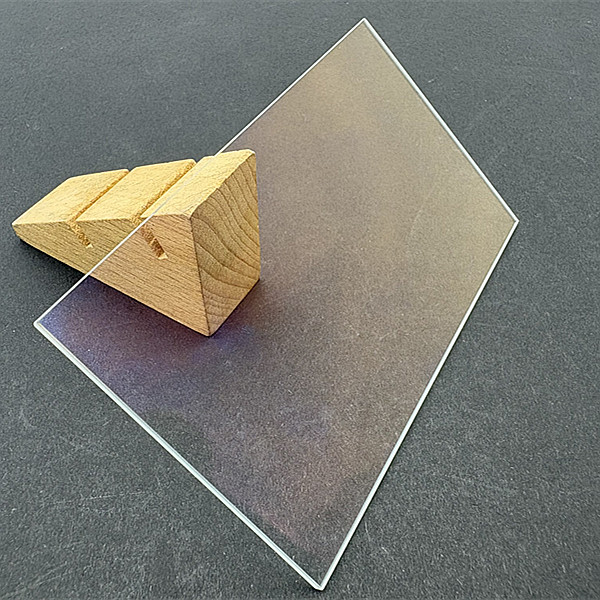
Ultra-clear soda-lime tempered glass0.5–4 mmGood clarity, tempering, printing and cost balanceHMI panels, appliance fascia, display windows, LED coversConfirm iron content, edge quality, print color and coating side
Gorilla-type alkali-aluminosilicate0.4–2 mmScratch resistance and chemical strengtheningTouch displays, OLED covers, smart-home interfacesClarify whether the buyer requires original brand material or an equivalent grade
Borosilicate 3.30.3–3.3 mmLow thermal expansion and strong thermal-shock resistanceLighting covers, gobo blanks, heat-resistant windows, instrumentsPlan cutting and edge grinding before strengthening or coating
AF32-type alkali-free borosilicate0.2–1.1 mmAlkali-free composition, low expansion, stable flatnessAnalytical devices, biochips, precision sensors, micro-opticsRequire material traceability and cleanliness controls for critical surfaces
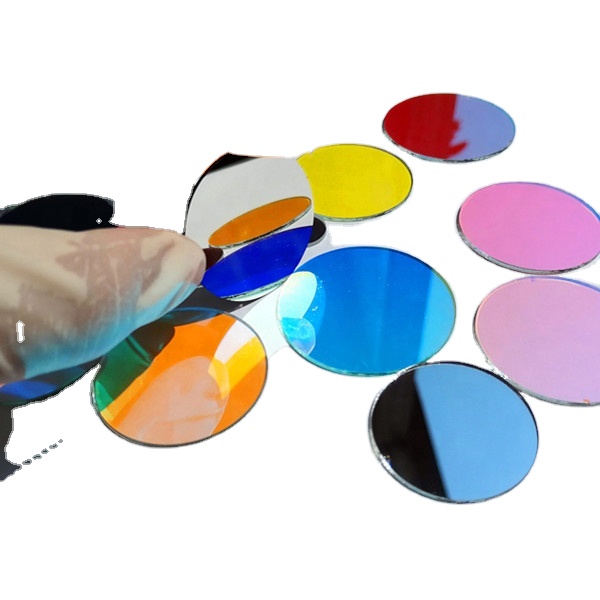
Dichroic coated glass0.3–2 mmColor separation and optical filteringStage lighting, projection gobos, architectural lightingValidate coating durability, color target and heat load before approval

Typical values are for preliminary selection. Coating performance, CTE, transmission, haze, surface quality and tolerances must be confirmed for each project.

Product development trends

Six Engineering Directions Shaping the Next Glass Panel Cycle

Demand is moving toward thinner, smarter and more integrated glass panels. The winning panel is increasingly the one that arrives ready for assembly, not the one that needs another supplier step.

Thinner Chemically Strengthened Glass

0.2–1.1 mm chemically strengthened panels are increasingly used for sensor covers, OLED protection and compact devices where thermal tempering is unsuitable.

Double-Sided AR and Anti-Glare

High-transmission AR coatings on two sides improve display readability under strong ambient light, while anti-glare surfaces reduce reflections in automotive and outdoor use.

Integrated Silk-Print and IR Windows

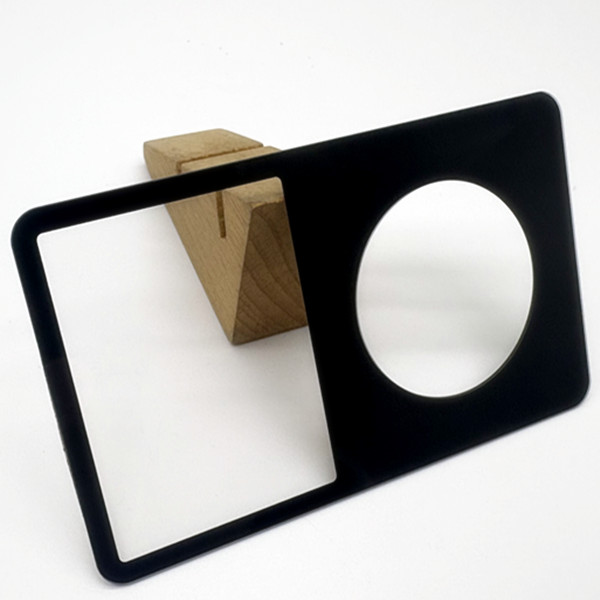
Black borders, logos, icon windows and IR-transparent ink areas are being combined in one printed panel to simplify assembly and improve perceived quality.

Heat-Resistant Lighting Glass

Borosilicate and dichroic glass are increasingly specified for high-power LED lighting, projection and stage fixtures where heat load and color stability are critical.

Alkali-Free Technical Substrates

AF32-type and Eagle XG-type materials support analytical instruments, biochips and optical devices that require dimensional stability and low alkali migration.

Assembly-Ready Panels

Buyers increasingly request OCA-ready surfaces, protective films, adhesive selection support and clean-room packing so the panel can move directly into lamination.

Future procurement trends

2026–2030 Procurement Trends for Glass Panel Buyers

Procurement teams are shifting from price comparison to qualification comparison. The most resilient supply plans combine engineering evidence, backup capacity and a clear total landed cost model.

Trend 01

Dual-Source Qualification

Buyers are pre-qualifying a primary and backup glass panel supplier before launch, with separate FAI reports and sample approvals for both sources.

Trend 02

Drawing-Based RFQs

PDF, DWG and DXF quotation packs are replacing loose text descriptions because they expose tolerances, edge details, print areas and coating sides early.

Trend 03

First Article Inspections

More importers require dimensional reports, color approval, transmission checks, visual inspection criteria and packing validation before mass production.

Trend 04

Total Landed Cost Models

Piece price is being combined with yield, breakage, rework, freight, duties, inventory and supplier response time to calculate the true procurement cost.

Trend 05

Small-Batch Launch to Scale

Startups and new product teams need samples and small trial lots first, then a controlled ramp to 300–500 pieces or higher recurring volumes.

Trend 06

Export-Ready Documentation

Packaging specifications, inspection photos, material certificates and shipment records are becoming part of the supplier scorecard, not an afterthought.

E-E-A-T verification

Company Advantages Behind Fevry Glass

Experience, expertise, authority and trust are not slogans. In technical glass sourcing, they show up in material sourcing, process breadth, inspection discipline and export communication.

Fevry Glass Co., Ltd. is a specialty glass supplier based in Xinyu, Jiangxi, China. The company serves customers in China and exports to Western Europe, the United States, Japan, South Korea, Taiwan, Hong Kong and Southeast Asia. Its public supplier profile reports 10+ years as an Alibaba.com member, a 5.0/5 buyer rating, 100% inquiry response and an average response time of four hours or less.

The company positions itself around custom tempered glass, anti-reflective AR-coated glass, silk-screen printed glass, borosilicate 3.3, Corning Eagle XG, glass wafers, optical filters, gobo glass and ultra-thin chemically strengthened glass. Raw glass is sourced from Corning, AGC and established Chinese optical-glass makers such as Chengdu Guangming and Xinhuguang. Processing equipment is described as imported from the United States, Germany and Japan, covering laser, ultrasonic, CNC carving, grinding and inspection work.

For buyers, the practical advantage is process breadth under one accountable supplier: cutting, edge grinding, drilling, thermal tempering, chemical strengthening, AR coating, dichroic coating, silk-screen printing, back painting and final inspection can be coordinated around one drawing. The company states the principle “Quality is superior, service is supreme, reputation is first” and the motto “Your success, our glory” — statements that should be verified through samples, inspection reports and order communication.

  • Custom tempered and AR-coated glass panels
  • Silk-screen printing and back painting
  • Borosilicate 3.3 and AF32-type technical glass
  • Corning Eagle XG and glass wafer support
  • Dichroic, gobo and optical filter glass
  • Export packing for fragile thin glass
Review Company Profile

Fevry Glass precision glass processing workshop Fevry Glass imported cutting and grinding equipment

Verified Profile

Supplier assessment, credit profile and trade history are publicly linked from the site.

Traceable Material

Raw glass sources include Corning, AGC, Chengdu Guangming and Xinhuguang.

Process Breadth

Cutting, strengthening, coating, printing, inspection and packing can be coordinated.

Export Response

Public metrics show 100% inquiry response and average reply time within four hours.

From drawing to delivery

A Four-Step Qualification Path

Clean communication reduces engineering risk. A structured path from drawing review to export packing keeps both buyer and supplier aligned.

Share the Drawing

Send outline dimensions, thickness, tolerances, edge finish, holes, material, printing colors, coating sides and annual demand.

DFM and Sample Approval

Engineering confirms manufacturability, recommends material and process, then produces samples for fit, color and optical validation.

Production and Inspection

Mass production follows approved samples, with dimensional and visual checks before final packing.

Export Packing

Interleaved, cushioned and labeled packing is matched to thin glass, print surfaces and coating protection for international shipping.

Buyer FAQ

Common Questions About Glass Panel Export and Wholesale

These answers are written for engineers, product managers and sourcing teams evaluating China best glass panel exporters & wholesaler options for custom projects.

What should I verify before choosing a China glass panel exporter?+

Check the public supplier profile, trading history, buyer rating, response record, export markets and process capability. Then verify material traceability, sample quality and inspection documentation. For custom panels, ask whether the supplier can handle cutting, edge grinding, strengthening, coating, printing and packing under one quality system. The best supplier is not necessarily the one with the lowest first quote; it is the one that can prove repeatable execution on your drawing.

Should I specify thermal tempering or chemical strengthening?+

Thermal tempering is generally used for glass around 3 mm and thicker. For ultra-thin cover glass from 0.15 mm to about 2 mm, chemical strengthening by ion exchange is often more suitable because it increases surface strength while preserving flatness and optical quality. In both cases, cutting, drilling and edge grinding must be completed before strengthening. Confirm the required impact, scratch and flatness specifications with your engineering team before choosing the process.

How can I get consistent silk-screen printing and AR coating?+

Provide Pantone references, print area drawings, ink coverage, registration tolerances and inspection lighting conditions. For AR coating, specify the coating side or sides, target wavelength range, reflection target, transmission target and any surface-resistance or adhesion requirements. Approve a physical sample under the same lighting conditions as your incoming inspection. Print color and coating appearance can shift under different light sources, so sample approval should include the final viewing condition.

When is borosilicate 3.3 or AF32 glass better than soda-lime glass?+

Borosilicate 3.3 is usually preferred where thermal shock, lighting heat or chemical exposure is a concern, such as lighting covers, gobo blanks and heat-resistant windows. AF32-type alkali-free borosilicate is often considered for analytical devices, precision sensors, biochips and micro-optics where alkali migration and dimensional stability matter. Soda-lime glass remains cost-effective for many display covers and printed panels. Selection should be based on CTE, heat load, optical requirements and total qualified cost.

What is a realistic MOQ and sample process?+

For many custom cover glass and AR glass items, a typical MOQ is around 300–500 pieces. Custom-cut Eagle XG parts may start from about 1,000 pieces, while selected gobo glass blanks can start from lower quantities such as 10 pieces. Samples should be arranged before mass production to validate fit, print color, coating appearance and packing. Ask for a sample report that records the approved material, dimensions, visual criteria and any deviations.

How should I compare quotations from different suppliers?+

Compare total qualified cost rather than piece price. Include yield assumptions, rework policy, breakage allowance, packaging cost, freight, duties, lead time, payment terms and engineering support. Ask each supplier to state what is excluded from the quote: tooling, samples, coating setup, printing plates, special packing or third-party inspection. A transparent supplier will identify critical-to-quality characteristics and explain how they are inspected before shipment.

What packaging and inspection evidence should I request?+

For thin glass, request edge protection, interleaving, moisture control and suitable outer cartons or crates. For coated or printed surfaces, confirm which side faces the protective film or interleaf. Ask for final inspection photos, dimensional reports and packing list confirmation before shipment. For critical projects, define AQL, functional checks and sample retention requirements in the purchase order so both parties work from the same acceptance criteria.

Which export markets are served, and how fast is the response?+

Fevry Glass serves customers in China and exports to Western Europe, the United States, Japan, South Korea, Taiwan, Hong Kong and Southeast Asia. Its public supplier profile reports a 100% inquiry response rate, a 5.0/5 buyer rating and an average response time of four hours or less. For a faster evaluation, send a 2D drawing, material, thickness, tolerances, print colors, coating side or sides, application and annual quantity.

Have a Drawing? Turn It Into a Qualified Glass Panel Quote

Send your 2D drawing, material, thickness, coating and printing requirements. A clear specification helps the engineering team review manufacturability and respond with practical next steps for samples and mass production.

Get a Quote info@fevryglass.com