Fused Silica · Precision Glass · China Supply

China Best Fused Silica Substrate Manufacturer & Wholesalers

High-purity fused silica substrates, UV-grade windows, wafers and custom precision glass for optical, semiconductor, laser, analytical and high-temperature applications — reviewed to drawing and prepared for export.

Fast-Quote Product Families

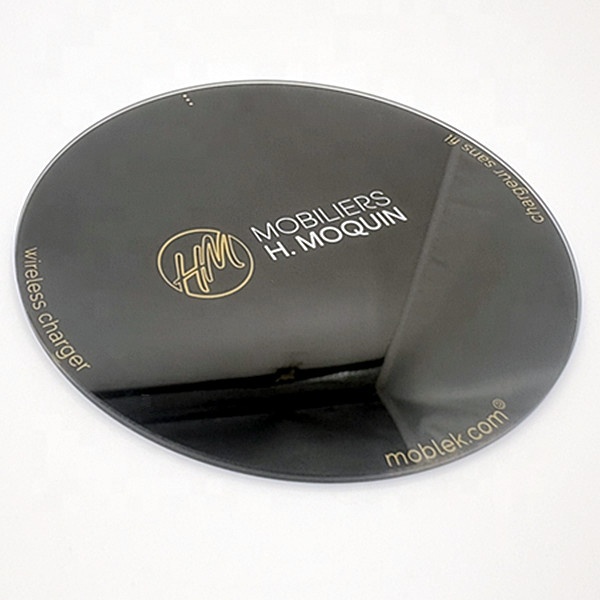
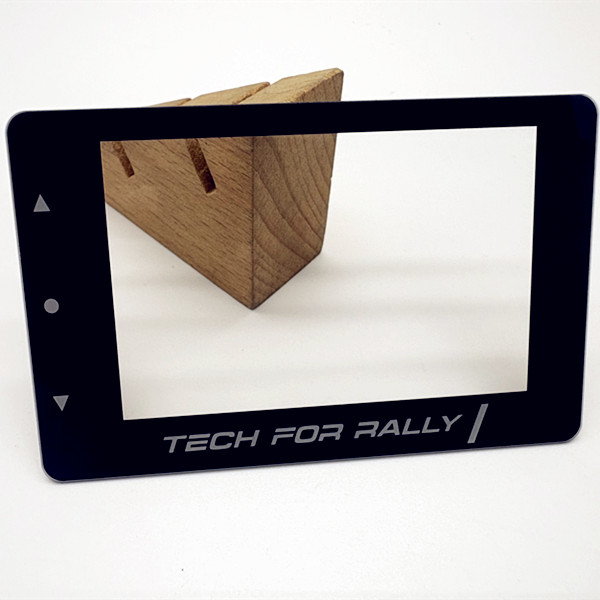
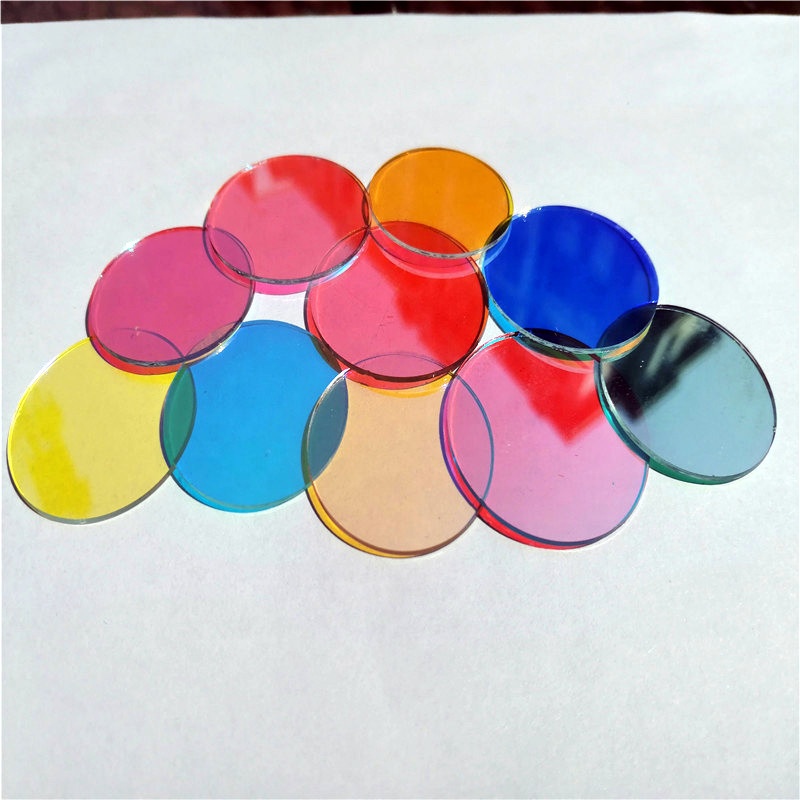
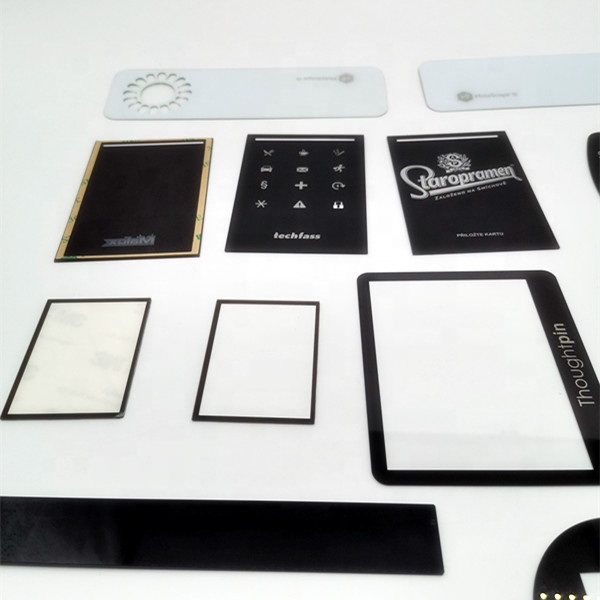
8 Precision Glass Products Commonly Purchased with Fused Silica Substrate Programs

These eight custom glass families are frequently specified alongside fused silica substrates for display stacks, instrument windows, lighting assemblies and protective covers. Each part is reviewed to drawing, with material, thickness, printing, coating and edge finish agreed before production.

All eight product families are custom processed to drawing. Images show representative finishes. If your fused silica substrate, wafer or optical window is not listed, send the drawing through the live quote channel for an engineering review.

10+ Years as an Alibaba.com member
≤4h Average inquiry response time
100% Inquiry response rate
5.0/5 Buyer rating shown on the company profile
Buyer’s Working Guide

Fused Silica Substrates Are Specified by Function, Not by a Generic “Quartz” Label

Fused silica is an amorphous, high-purity silicon dioxide material. Optical designers, semiconductor engineers and analytical instrument teams choose it for low thermal expansion, excellent UV transmission, chemical inertness, high dielectric strength and dimensional stability. Buyers often search for “quartz substrate” or “fused quartz wafer,” but crystalline quartz and fused silica are not interchangeable. A precise request should define grade, OH content, internal quality, inclusions, transmission range, flatness, thickness tolerance, edge profile, surface quality, coating and packing.

For a procurement team, the real question is not simply “Who sells fused silica?” It is “Who can take responsibility for the grade, geometry and finishing steps that determine yield?” A low unit price means little if inclusions, surface haze, edge chips or inconsistent flatness cause scrap after coating, bonding or lithography. This is why serious buyers compare a supplier’s material traceability, process control and inspection discipline before comparing price per piece.

Information gain for buyers: request a grade datasheet, lot traceability and an inspection plan before releasing a production order. The specification should match the wavelength, power level, thermal cycle and cleaning process — not just the drawing outline.
Fevry Glass precision glass processing workshop in Xinyu Jiangxi Imported cutting and grinding equipment for custom glass parts Optical glass inspection and export packing at Fevry Glass
What Shortlist-Ready Means

Six Criteria for Comparing a China Fused Silica Substrate Manufacturer

Use these criteria as a scorecard. They help separate a capable precision-glass partner from a trading listing that forwards drawings without engineering review.

1. Grade & Traceability

Confirm the fused silica grade, OH level, raw-material source and lot identification. A credible quote names the material assumptions instead of quoting only a size and thickness.

2. Precision Geometry

Ask how outline, holes, notches, chamfers, thickness, parallelism and edge finish will be inspected. Tight tolerances require capable grinding and metrology, not just a cutting table.

3. Optical & Surface Quality

Define scratches, digs, bubbles, inclusions, haze, flatness and surface roughness clearly. For UV or laser use, internal quality and absorption can matter more than cosmetic appearance.

4. Thermal & Chemical Fit

Fused silica is chosen for low expansion and thermal shock resistance, but maximum use temperature, cleaning chemistry and coating compatibility must be checked against the actual application.

5. Coating & Assembly Readiness

AR, dichroic, metallization and printed features influence handling, cleaning and yield. A supplier who understands the downstream stack can avoid incompatible edge, ink or coating choices.

6. Documentation & Packing

For fragile thin substrates, packing is part of quality. Ask for interleaving, cushioning, lot labeling, measurement records where required, and export packing suitable for air or sea freight.

Material Selection Data

Fused Silica vs Borosilicate, Soda-Lime and Eagle XG: A Practical Comparison

Use this table for preliminary selection only. Final specifications must be confirmed against the producer datasheet, your application testing and the agreed inspection standard.

Typical property comparison for fused silica, borosilicate 3.3, soda-lime glass and Corning Eagle XG
Material Typical CTE Key Strength Common Use What to Specify
Fused silica / fused quartz substrate ≈0.5–0.55 × 10⁻⁶/K High purity, UV transparency, low expansion, chemical inertness, dielectric stability UV optics, laser windows, semiconductor wafers, analytical cells, high-temperature fixtures Grade, OH content, inclusions, transmission range, flatness, surface quality, coating
Borosilicate 3.3 3.3 × 10⁻⁶/K Excellent thermal shock resistance at a lower cost than fused silica Lighting covers, heat-resistant windows, gobo blanks, laboratory glass Bubble class, thickness, edge finish, tempering or annealing condition
Soda-lime / ultra-clear glass ≈9 × 10⁻⁶/K Economical, easy to temper, good visible-light clarity Display covers, printed panels, touch windows, appliance fronts Iron content, tempering, print color, AR coating, safety requirements
Corning® Eagle XG® ≈3.2 × 10⁻⁶/K Alkali-free boro-aluminosilicate with excellent flatness and dimensional stability Biochips, wafers, PLC substrates, micro-optics and precision alignment Thickness, flatness, surface quality, cut tolerance and cleaning level
Chemically strengthened thin glass Base-glass dependent High surface strength in ultra-thin formats 0.15–2 mm protectors, sensor covers and touch surfaces Ion-exchange process, edge quality, print, AR coating and impact target

Important: fused silica is not automatically the best choice for every project. For a heat-resistant lighting cover or a general display window, borosilicate or tempered soda-lime may deliver a better cost-performance balance. A responsible supplier should tell you when fused silica is unnecessary.

Enterprise Advantages

Why Buyers Shortlist Fevry Glass for China Sourcing

Fevry Glass Co., Ltd. is a specialty glass manufacturer and wholesale partner based in Xinyu, Jiangxi, China. The company serves optical, biological, semiconductor, communications, lighting and electronics customers with custom glass processed to drawing. Its position in the supply chain is practical: select a suitable raw material, finish it precisely, inspect it consistently and pack it for safe export.

Raw glass is sourced from Corning, AGC and established Chinese optical-glass makers such as Chengdu Guangming and Xinhuguang. Processing relies on laser, ultrasonic, CNC carving, grinding, coating, printing and inspection equipment imported from the USA, Germany and Japan. For fused silica substrate requests, the team reviews the grade and application before quoting, because a generic “quartz” quotation is not enough for optical or semiconductor use.

  • 10+ years as an Alibaba.com member
  • ≤4-hour average response time
  • 100% inquiry response rate
  • 5.0/5 buyer rating on the company profile
  • Exports to Western Europe, the USA, Japan, South Korea, Taiwan, Hong Kong and Southeast Asia
  • Traceable raw-material sources and in-house finishing steps
Corning® AGC Chengdu Guangming Xinhuguang Laser / CNC / Ultrasonic
Need a fused silica substrate quote? Send your drawing, grade, thickness, tolerance, coating and annual volume for review.
E-E-A-T in Practice

Experience, expertise, authority and trust are built into the quotation process

Our guidance is based on reviewing custom glass drawings, matching materials to applications and preparing fragile glass for export. The company’s public supplier profile shows 10+ years of trade history, a 5.0/5 buyer rating, 100% inquiry response and a ≤4-hour average response time. Buyers can review the company overview, supplier assessment, ratings, transaction level and trade history before placing an order.

That matters for fused silica because the material is often part of a longer process chain. A substrate may be coated, bonded, etched, cleaned, inspected or assembled after it leaves the glass supplier. Clear assumptions at the quotation stage reduce the risk of a part that meets a drawing but fails in the downstream process.

We also publish practical limitations. Typical properties in this guide are for initial selection only. Final acceptance criteria should be agreed in writing, and any special certification or measurement report should be confirmed before production. This is more useful than promising “perfect” glass without a measurable standard.

Corning®, Gorilla® and Eagle XG® are trademarks of Corning Incorporated, used for material identification only.
Product Recommendations

Recommended Fused Silica Substrate Selection by Application

Start with the application and the failure mode you need to avoid. The following recommendations are a practical starting point for engineering and sourcing discussions.

UV-Transparent Windows & Lenses

Specify high-OH fused silica when transmission in the deep UV and low fluorescence are critical. Confirm the transmission curve, internal quality and cleaning compatibility for lithography, spectroscopy or analytical instruments.

High-Power Laser Optics

Low absorption, low inclusion content, careful annealing and a known laser-damage specification matter more than a generic transparency claim. Agree surface quality, edge finish and coating compatibility before quoting.

Semiconductor & Microelectronics

For wafers, carriers and insulating substrates, discuss flatness, TTV, edge profile, particles and metal-ion requirements. Traceability and pack cleanliness should be part of the purchase specification.

Analytical & Life Science

Flow cells, cuvettes and biochip substrates benefit from low autofluorescence, chemical resistance and stable dimensions. Ask for the relevant optical and surface data instead of relying on “high purity” alone.

High-Temperature & Plasma Environments

For viewports, chamber windows and thermal fixtures, check thermal shock, maximum use temperature, dielectric performance and sealing method. Edge quality is often the starting point for crack prevention.

Metrology & Photomask Substrates

Flatness, thickness uniformity, low stress and repeatable inspection data are central. For large-format plates, agree the measurement method, support points and acceptance criteria before production.

Not sure which grade fits? Send the wavelength range, power level, temperature cycle or inspection standard with your drawing. The quotation should state the assumed grade so offers can be compared fairly.

Procurement Outlook

Future Procurement Trends for Fused Silica Substrates

Procurement teams are moving from simple price comparison toward total qualification cost. These six trends are shaping sourcing decisions for 2025 and beyond.

Dual Sourcing Without Duplicating Risk

Buyers want a qualified China partner plus a local or regional backup, but both sources must share the same measurement language and acceptance criteria. Otherwise “dual sourcing” only doubles the validation work.

Specifications Are Getting More Specific

“Fused silica” is no longer a complete requirement. Purchase specifications increasingly name OH content, inclusion limits, fluorescence, flatness, TTV, edge chips, coating side and packaging cleanliness.

Audit-Ready Documentation

Engineering teams increasingly request lot identification, inspection records, material certificates where available and change-control notes. Documentation is becoming part of the product, not an afterthought.

Faster NPI, Smaller First Lots

New product introduction teams want prototype quantities before committing to tooling or annual forecasts. A supplier’s ability to review small, complex requests quickly is becoming a competitive advantage.

Total Cost Instead of Unit Price

Yield loss from chips, coating defects or flatness variation usually costs more than a small piece-price difference. Buyers are calculating incoming inspection time, rework risk and assembly yield alongside the quote.

Lead-Time Buffers for Critical Sizes

Large plates, low-OH grades and coated substrates can have longer supply cycles. Procurement teams are planning buffer inventory for critical sizes and agreeing alternate sizes or grades before a line-down event.

Technology Outlook

Fused Silica Substrate Development Trends Buyers Should Watch

Material development is being driven by shorter wavelengths, higher power, tighter packaging and more integrated optical assemblies. These trends affect drawings, inspection methods and supplier selection.

Larger and Thinner Substrates

Demand continues for larger wafers, windows and carrier plates while thickness budgets shrink. This raises the importance of flatness, handling, edge quality and packaging design.

Lower Defect Density for UV and Laser Optics

As applications move deeper into UV and higher laser power, inclusions, bubbles, surface defects and absorption become yield-limiting. Suppliers need stronger incoming inspection and process discipline.

Microstructured and Etched Features

Channels, recesses, vias and shallow features are being designed directly into glass substrates. This shifts attention from simple cutting to etching, cleaning, metrology and feature inspection.

Bonded and Integrated Stacks

Glass-to-glass, glass-to-silicon and coated stacks require compatible surfaces and cleaning. Procurement is becoming more integrated with assembly, because substrate choices can affect bonding yield.

Measurement-Led Quality

Visual inspection alone is not enough for precision substrates. Optical and dimensional data, agreed sampling plans and traceable measurement reports are becoming normal parts of a supplier scorecard.

Cleaner Processing and Lower Waste

High-temperature glass processing consumes energy and creates waste. Buyers are asking more about packing reuse, yield improvement and process stability — not because it is fashionable, but because yield and energy affect long-term cost.

Qualification Path

A Clear Four-Step Path from Drawing to Export

For first-time and repeat orders, the goal is predictable communication. Each step should produce a decision, a document or an approved sample.

01

Drawing & Application Review

Send a 2D drawing, material grade, thickness, tolerances, edge finish, coating, print colors, application and expected volume. We confirm what is clear and what needs a decision.

02

Material & Process Matching

We compare fused silica, borosilicate, Eagle XG or strengthened glass against the application. If a lower-cost material meets the requirement, it should be discussed before tooling or samples.

03

Sample & Inspection Agreement

Samples validate fit, print, coating and optical appearance. For fused silica, agree the inspection method, acceptance criteria and report format before mass production.

04

Production & Export Packing

Production follows the approved drawing and sample. Parts are interleaved and cushioned for fragile thin glass, then packed for export to the agreed destination.

Send the drawing first — get a more useful quote. A complete request shortens the review cycle and reduces assumptions in the quotation.
Procurement FAQ

Fused Silica Substrate & Custom Glass Buying FAQ

Direct answers to the questions sourcing teams ask before requesting a quote.

Is fused silica the same as quartz?+

No. Fused silica is an amorphous, synthetic silicon dioxide material. “Quartz” is often used loosely in the market, but crystalline quartz has a different structure and different optical, thermal and mechanical behavior. For optical and semiconductor drawings, specify fused silica grade, OH content, internal quality and transmission requirements instead of using only the word “quartz.”

Which fused silica grade should I specify?+

Start with the application. High-OH fused silica is often selected for UV transmission and low fluorescence. Low-OH grades are common for IR and some high-temperature uses. Semiconductor and laser applications may require tighter limits on inclusions, metals, absorption, surface particles or laser-damage performance. Ask for the grade datasheet and define the acceptance criteria in the purchase specification.

What information do you need to quote a substrate?+

Please send a 2D drawing in DWG, DXF or PDF with outline dimensions and tolerances, thickness, material grade, OH requirement if known, edge finish, hole and notch positions, flatness or TTV, surface quality, coating side, application, annual quantity and target delivery date. If you have an internal inspection standard or a reference sample, include it. Complete information allows a firm engineering review rather than a placeholder price.

What is the minimum order quantity?+

For the eight custom glass product families shown above, many items start from 300–500 pieces; some Eagle XG cut parts may start from 1,000 pieces, and selected gobo glass blanks can start from 10 pieces. Fused silica substrate requests are quoted by size, grade, inspection level and coating, so prototype and production quantities need separate review. Samples can be discussed before mass production.

How do you control quality before shipment?+

Dimensions, thickness, visual defects and agreed optical or surface criteria are checked against the approved drawing and sample. For critical fused silica parts, the inspection method and report format should be agreed before production. We also review packing because edge chips or surface scratches during transport can turn a good part into scrap.

How are thin glass substrates packed for export?+

Thin glass is packed with interleaved protection, cushioned corners and export-grade cartons. The exact method depends on size, thickness, coating, print and shipping route. If you have a preferred cleaning level, vacuum pack, cassette or cleanroom packing requirement, state it in the inquiry so it can be included in the quotation.

Which export markets are served?+

Fevry Glass serves customers in China and exports to Western Europe, the United States, Japan, South Korea, Taiwan, Hong Kong and Southeast Asia. Export packing and documentation are planned around the destination and the fragility of the parts.

How quickly can I receive a response?+

The company profile shows an average response time of ≤4 hours and a 100% inquiry response rate. Complex fused silica requests may need an engineering review before a firm price is issued, but the first response should confirm receipt, identify missing information and outline the next step.

Why choose Fevry Glass instead of a generic trading company?+

Fevry combines traceable raw-glass sources with in-house cutting, grinding, strengthening, coating, printing and inspection experience. The company profile shows 10+ years as an Alibaba.com member, a 5.0/5 buyer rating, 100% inquiry response and exports to multiple regions. More importantly, the team can explain when fused silica is appropriate and when a lower-cost borosilicate or tempered glass is the better engineering choice.

Email drawings to info@fevryglass.com or start with the live quote button.
Start Your Specification Review

Have a Fused Silica or Precision Glass Drawing? Let’s Engineer the Right Part.

Send your dimensions, grade, thickness, tolerance, coating, print and annual volume. Our team typically replies within 4 hours with the next information request or a review path.

info@fevryglass.com