8 Custom Glass Products Recommended for Precision OEM Sourcing
These eight product families cover the most common custom tempered glass requirements: ultra-thin chemically strengthened cover glass, heat-resistant gobo blanks, back-painted LED panels, AR-coated display glass, Gorilla® touch-screen glass, ITO conducting glass, custom-cut strengthened glass and OEM lighting lenses. Every item can be produced to a drawing, with dimensions, edge finish, print colors, coating sides and packing method confirmed before mass production.
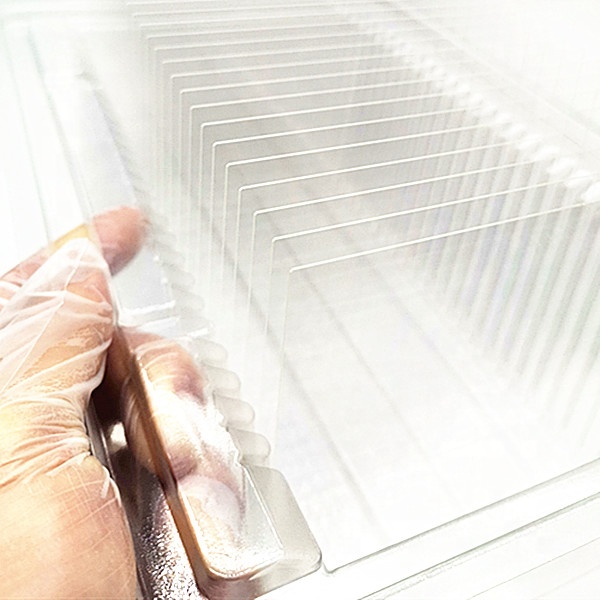
Custom Chemically ultra Thin Clear Transparent Tempered Glass Sheet
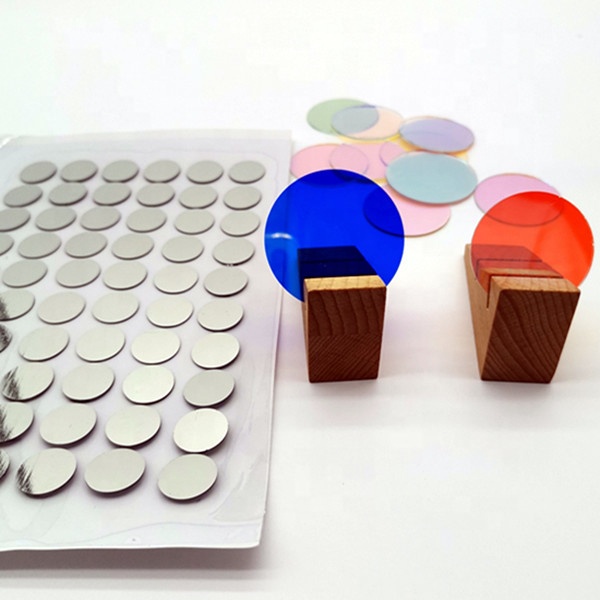
0.2mm 0.3mm 0.4mm 0.5mm 0.7mm 1.0mm 2mm Heat Resistant Gobo Glass Blanks

Back Painted Tempered Glass Led Glass Panel Cover Glass
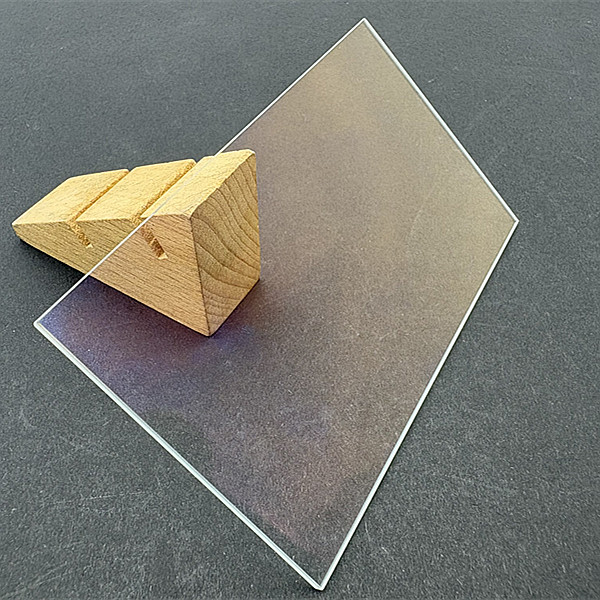
Customized Tempered Anti-Reflective Glass AR Coated Tempered Glass
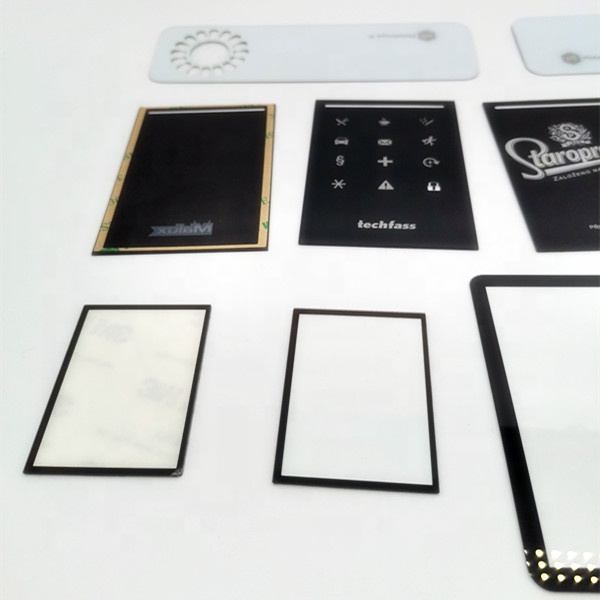
Custom Corning Gorilla Tempered Glass Silk Screen Printing for Touch Screen
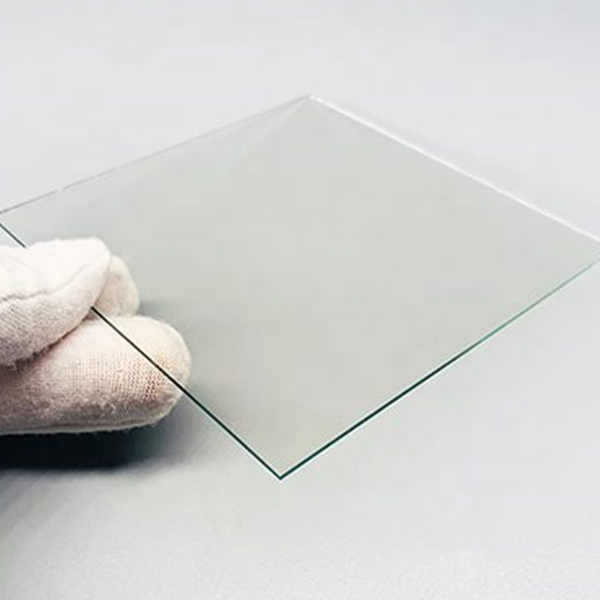
Ito Conducting Glass, Ito Coated Glass, Ito Glass
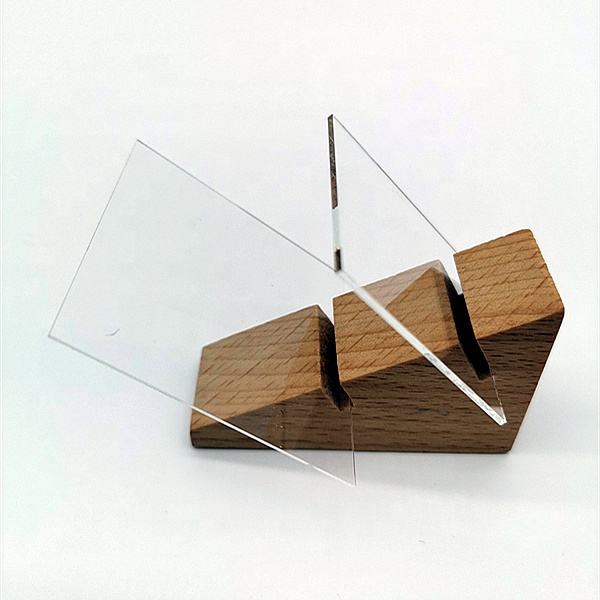
Custom Cut 0.5mm 0.7mm 1mm 1.5mm 2mm 2.5mm 3mm Corning Gorilla Temper Glass
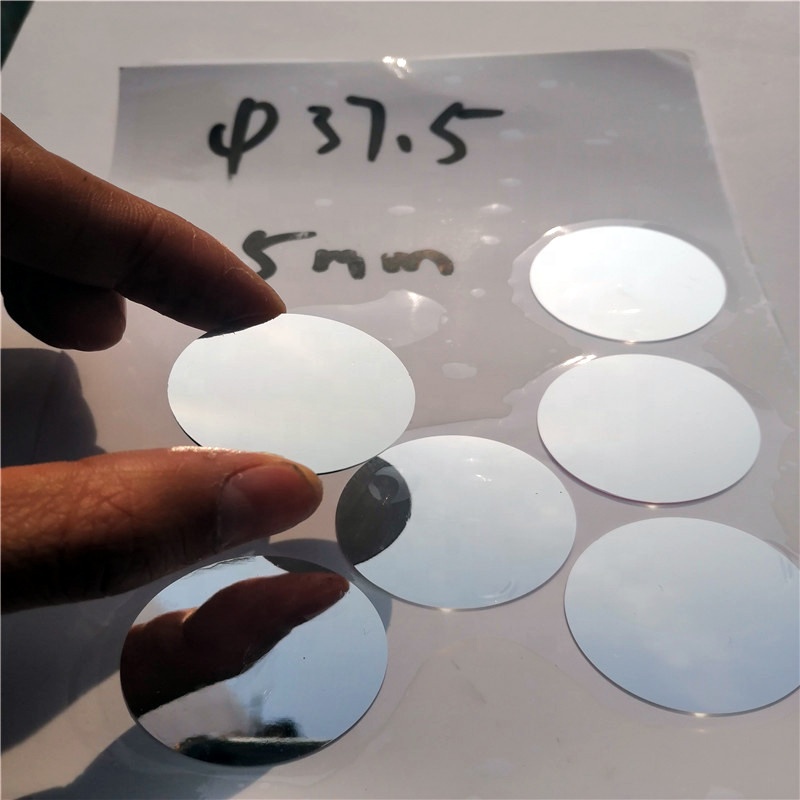
OEM Custom Heat Resistant Gobo Glass Lens
These figures reflect public supplier-profile data for Fevry Glass and should be confirmed during buyer due diligence. Project-specific lead time, sampling and inspection plans are confirmed in the quotation.
What Separates a China Best Custom Tempered Glass Manufacturer from a Low-Cost Processor?
Custom tempered glass is not a commodity that can be judged by piece price alone. A finished part must survive handling, installation, thermal load, cleaning chemicals, touch pressure and end-user abuse. The substrate, cutting method, edge grinding, hole and notch geometry, strengthening process, coating side, ink sequence and export packing all interact. A small change in one step can create edge chips, coating haze, print misalignment or delayed breakage. That is why the phrase “China best custom tempered glass manufacturer & exporter” should be evaluated with evidence: material traceability, processing breadth, inspection discipline and communication speed.
Fevry Glass Co., Ltd. is based in Xinyu, Jiangxi, China, and focuses on precision technical glass for optical, biological, semiconductor, communications, lighting and electronics customers. Rather than treating glass as a generic cut-to-size material, the company works from the application backward: identify the right substrate, confirm the strengthening method, define the coating and printing sequence, then control dimensions and packing. Raw glass is sourced from established producers such as Corning, AGC, Chengdu Guangming and Xinhuguang, and processing relies on laser, ultrasonic, CNC carving, grinding and inspection equipment imported from the USA, Germany and Japan. That combination gives buyers a practical information advantage: the supplier can explain why a material and process were chosen—not just quote a price per piece.
A substrate-first approach improves yield and reliability
Not every glass family behaves the same after strengthening, coating or printing. Soda-lime glass is cost-effective for many display covers and AR panels, but it is not suitable for every high-heat lighting part. Borosilicate 3.3 has a coefficient of thermal expansion of about 3.3 × 10⁻⁶/K—roughly one third of soda-lime—so it handles thermal shock far better in gobo blanks, heat-resistant windows, laboratory glass and instrument covers. Corning® Eagle XG is an alkali-free boro-aluminosilicate glass with low thermal expansion and a fusion-formed surface, making it attractive for biochips, wafers, PLC substrates and micro-optics. Gorilla® glass is often selected for scratch-resistant touch covers, while ITO-coated glass serves conductive and sensor-related applications.
Strength method must match thickness and part geometry
Thermal tempering is generally appropriate for thicker glass, typically around 3 mm and above, where the part can tolerate the thermal cycle and the edge quality is controlled. For ultra-thin cover glass from 0.15 mm to about 2 mm, chemical strengthening through ion exchange raises surface strength while preserving flatness and optical clarity. In both cases, cutting, drilling, notching and edge grinding must be completed before strengthening, because the glass cannot be re-cut afterward without losing the strength benefit. Buyers should ask a potential supplier to explain this sequence clearly; a factory that cannot describe it is unlikely to control it consistently.
Coating and printing are not interchangeable afterthoughts
AR coating, silk-screen printing, back painting and ITO coating each introduce their own process windows. AR coating may be applied to one or both sides to reduce reflection and increase transmission. Silk print can define a black border, icon window, logo or light-blocking area. Back painting can create a clean LED panel appearance. A capable manufacturer will ask which side is coated, which side is printed, whether the ink must be IR-transparent, how the part will be cleaned, and how the coating will survive assembly. These questions are a form of information gain for procurement teams: they reduce hidden failure modes before tooling and production begin.
Custom Tempered Glass Procurement Trends for 2025–2030
Professional buyers are moving away from single-metric sourcing. The next cycle will reward suppliers who can support traceability, engineering review and resilient delivery—not only low piece prices.
Dual sourcing and regional buffer stock
OEMs are keeping a qualified custom glass partner in China while holding limited buffer inventory near assembly plants. This balances landed cost with schedule protection for launch builds and aftermarket demand.
Total landed cost replaces piece price
Breakage rate, coating rework, inspection labour, freight protection and tariff treatment now carry more weight. A slightly higher quoted part with better yield and stable packing can reduce total cost.
Traceable material pedigrees
Buyers increasingly request substrate origin, lot records, thickness range, CTE data and coating run information. This is especially important for biotech, optical and automotive programs where a material change triggers revalidation.
Small-batch validation before mass production
Most custom cover glass and AR glass items start from 300 to 500 pieces, while selected Eagle XG cut parts may start from 1,000 pieces and some gobo glass blanks from 10 pieces. Sampling is used to validate fit, optics and print colour before tooling and volume commitments.
Design-for-manufacturing reviews
Sourcing teams are involving glass processors earlier. A drawing review can flag tolerances that are unnecessarily tight, edges that risk chipping, print windows that affect ink cure, or coating sides that complicate handling.
Packaging resilience and supplier risk review
Thin glass can fail in transit if edge protection and interleaving are weak. Buyers now audit carton design, pallet stacking, moisture protection and documentation as part of supplier risk management.
How Custom Tempered Glass Products Are Evolving
Application requirements are becoming more integrated. A single glass part may need strength, anti-reflection, printed graphics, conductive areas and heat resistance—while still meeting appearance and tolerance specifications.
Ultra-thin chemically strengthened glass
From 0.15 mm to 2 mm, ion-exchange strengthening enables lighter covers for wearables, sensors, displays and protective windows without sacrificing flatness or optical clarity.
AR coating integrated with display printing
Double-sided AR coating can raise transmission toward 98% in suitable designs, while silk-printed borders and windows hide traces and define viewing areas. The key is a repeatable sequence and clean handling.
Borosilicate 3.3 for heat and light
Lighting covers, gobo blanks, projection lenses and heat-resistant windows benefit from borosilicate 3.3's low expansion and thermal-shock resistance. Demand is growing as high-power LED and stage lighting become more compact.
Eagle XG and low-alkali substrates
Biochips, biological analyzer filters, wafers and PLC substrates require flatness and dimensional stability. Alkali-free Eagle XG glass supports micro-patterning, bonding and precise optical alignment.
ITO conducting and optical coating convergence
Display and sensor designs increasingly combine transparent conductive layers with optical performance. ITO-coated glass can be specified alongside AR or printed features, provided the coating and curing steps are jointly engineered.
Decorative and functional printed glass
Smart-home controls, automotive trim panels and appliance interfaces use silk-printed and back-painted glass to combine a premium appearance with durability. Pantone-matched inks and IR windows are becoming common requirements.
Why Global OEMs Choose Fevry Glass as a Custom Tempered Glass Exporter
Buyers need more than a price list. They need a responsive manufacturer that can source traceable raw glass, process it to drawing, inspect it consistently and pack it for international shipping.
10+ years of export experience
Long-term Alibaba.com membership and repeat international orders support stable communication for OEM buyers.
≤4-hour average response
Fast engineering feedback helps buyers keep drawings, samples and production schedules moving without long email cycles.
100% inquiry response rate
Every serious RFQ receives a reply, making the supplier easier to audit and more predictable for procurement teams.
5.0/5 buyer rating
Public buyer feedback supports supplier confidence, while project-specific due diligence remains essential.
Traceable raw materials
Raw glass is sourced from Corning, AGC, Chengdu Guangming and Xinhuguang to support consistent optical and thermal performance.
Imported processing equipment
Laser, ultrasonic, CNC carving, grinding and inspection equipment from the USA, Germany and Japan supports repeatable tolerances.
Strengthening, coating and printing
Thermal tempering, chemical strengthening, AR coating, dichroic coating, silk-screen printing and back painting can be coordinated under one roof.
Export packing for fragile glass
Interleaving, edge protection, cushioned cartons and pallet planning support shipments to Western Europe, the USA, Japan, South Korea, Taiwan, Hong Kong and Southeast Asia.

Precision glass processing workshop: layout, handling and inspection are planned around fragile technical glass.

Imported cutting and grinding equipment supports custom outlines, holes, notches and edge finishing.

Inspection and packing: dimensional checks, visual defects and protection are reviewed before export.
The company's quality principle—“Quality is superior, service is supreme, reputation is first”—and its motto “Your success, our glory” are not substitutes for process control, but they explain the operating mindset. Buyers can also review third-party supplier assessment, credit profile, transaction level, trade capacity, trade history and buyer reviews through the public profile. For E-E-A-T due diligence, this matters: experience should be verifiable, expertise should be explainable, authority should be documented and trust should be earned through consistent delivery.
A Clear 5-Step Path from Drawing to Export Delivery
Custom glass projects move faster when the buyer and manufacturer use the same sequence. This workflow is designed for engineers and sourcing managers who need predictable communication.
Share the 2D drawing
Send DWG, DXF or PDF with outline dimensions, tolerances, thickness, material, edge finish, holes, notches, print colours, AR coating sides and annual quantity.
Engineering review
The factory confirms manufacturability, recommends substrate and strengthening method, and flags risks that could affect yield or installation.
Sample approval
Samples validate fit, print position, colour match, edge quality and optical performance before mass production begins.
Production and inspection
Cutting, CNC shaping, edge grinding, strengthening, coating or printing, followed by dimensional and visual inspection.
Export packing
Interleaved protection, edge cushions, moisture control and carton or pallet planning for fragile thin glass shipment.
Material Selection Guide for Custom Tempered Glass Buyers
Use this table for preliminary discussion, then confirm final specifications against the manufacturer datasheet and your drawing.
| Material | Typical Thickness | CTE (×10⁻⁶/K) | Best-Fit Applications |
|---|---|---|---|
| Ultra-clear soda-lime | 0.5–4 mm | ≈ 9.0 | Cover glass, AR panels, printed windows, LED covers |
| Gorilla® alkali-aluminosilicate | 0.4–2 mm | ≈ 7.5–8.5 | Scratch-resistant touch screens, display covers, printed interfaces |
| Borosilicate 3.3 | 0.3–3.3 mm | 3.3 | Heat-resistant windows, gobo blanks, lab glass, lighting lenses |
| Corning® Eagle XG | 0.5–1.1 mm | ≈ 3.2 | Biochips, wafers, PLC substrates, micro-optics, analyzer filters |
| Chemically strengthened thin glass | 0.15–2 mm | Base-glass dependent | Ultra-thin protectors, sensor covers, lightweight display glass |
Values are typical industry figures for preliminary selection. Actual performance depends on glass grade, edge quality, part geometry, coating, printing and installation conditions.
Frequently Asked Questions About Custom Tempered Glass Sourcing
These are the technical and commercial questions engineers and buyers ask most often when evaluating a custom tempered glass manufacturer in China.
Should I choose thermally tempered glass or chemically strengthened glass?
Thermal tempering is generally best for glass around 3 mm and thicker, where the part geometry and edge quality suit the process. For ultra-thin cover glass from 0.15 mm to about 2 mm, chemical strengthening through ion exchange raises surface strength while keeping the sheet flat and optically clean. In both cases, cutting, drilling, notching and edge grinding must be completed before strengthening, because the glass cannot be re-cut afterward without losing the intended strength benefit.
When is borosilicate 3.3 better than soda-lime glass?
Borosilicate 3.3 has a coefficient of thermal expansion of about 3.3 × 10⁻⁶/K—roughly one third of soda-lime glass—so it resists thermal shock far better. It is commonly selected for lighting covers, heat-resistant windows, gobo blanks, laboratory glass and instrument glass where heat or chemical exposure is expected. Soda-lime may still be appropriate for display covers and AR panels where thermal load is limited.
Can you produce AR-coated, silk-printed and tempered glass in one part?
Yes, but the sequence must be engineered. The glass may need cutting, CNC shaping, edge grinding, strengthening, coating and printing in a specific order to protect the coating and achieve sharp print edges. Buyers should state which side receives AR coating, which side is printed, whether the ink must be IR-transparent, and how the part will be cleaned or bonded during assembly.
What is the typical minimum order quantity and sample policy?
Most custom cover glass and AR glass items start from 300 to 500 pieces. Some custom-cut Corning® Eagle XG parts may start from 1,000 pieces, while selected gobo glass blanks can start from 10 pieces. Samples can be arranged to validate fit, optical performance and print colour before mass production. Final MOQ depends on material, size, coating, printing and packing requirements.
What information do I need to send for a fast quotation?
Send a 2D drawing in DWG, DXF or PDF format with outline dimensions and tolerances, thickness, glass material, edge finish, hole and notch positions, strengthening method, print colours with Pantone references, AR coating side or sides, end application and expected annual quantity. If you have assembly constraints, cleaning chemicals, bonding methods or drop-test requirements, include them so the engineering review can cover the full use case.
Which export markets are served, and how is thin glass packed?
Fevry Glass serves customers in China and exports to Western Europe, the United States, Japan, South Korea, Taiwan, Hong Kong and Southeast Asia. Export packing is planned for fragile thin glass, typically using interleaving, edge protection, cushioned cartons and pallet control. Buyers can request packing photos or sample shipment validation for new part sizes.
Have a Drawing? Let’s Engineer Your Custom Glass Part.
Send dimensions, material, thickness, coating side, print colour, application and annual volume. Our team typically replies within 4 hours with the next engineering step.