Eight High-Performance Glass Products for Wholesale Buyers
Begin with the exact part, not only the material name. These eight product paths cover the most common search intents behind ceramic glass manufacturers & wholesaler: heat-resistant lighting glass, ultra-clear printed cover glass, Gorilla® touch panels, AR-coated LCD protection and custom-shaped tempered windows. Product URLs are preserved so buyers can move from technical evaluation to drawing-based quotation.
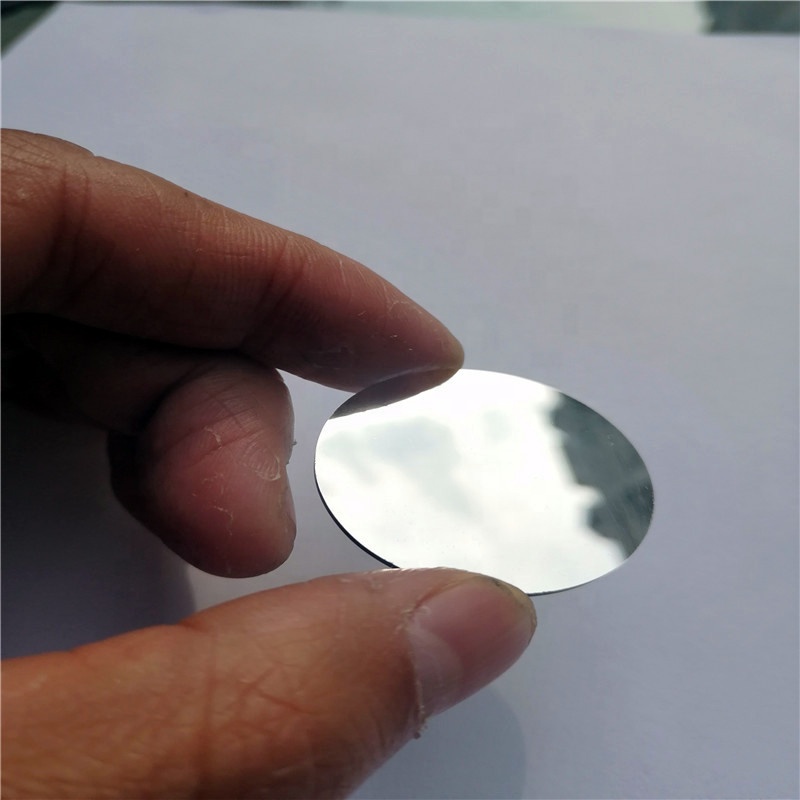
Gobo Glass / Dichroic Mirror Lighting Filters Glass Lens
Heat-resistant gobo blanks and dichroic-coated lenses for stage, film and architectural lighting, cut and finished to optical drawings.
View product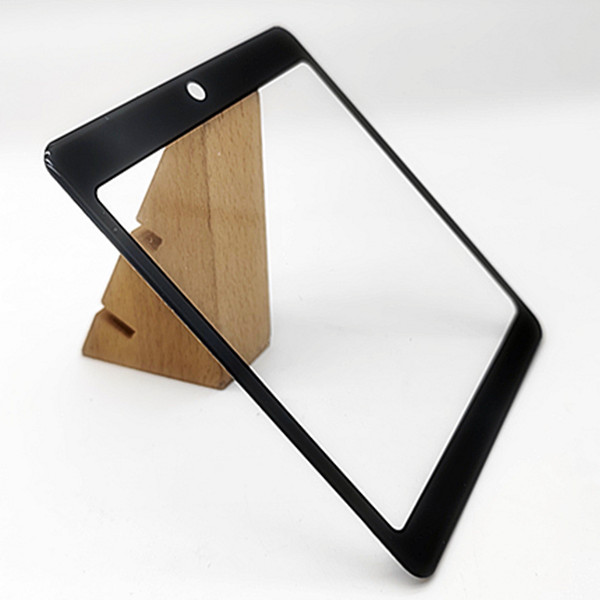
Ultra Clear Gorilla Glass Panel with Silk Screen Printing for Electronic Device
Ultra-clear alkali-aluminosilicate cover glass with silk-printed borders, windows and icon areas for electronic devices.
View product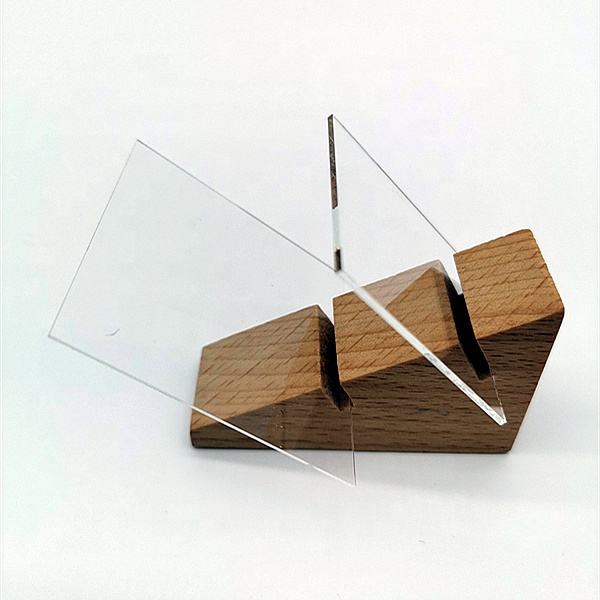
Custom Cut 0.5mm 0.7mm 1mm 1.5mm 2mm 2.5mm 3mm Corning Gorilla Temper Glass
Drawing-based cutting and strengthening for thin cover glass used in touch modules, instruments and industrial displays.
View product
Custom Shaped Tempered Glass Processing, High Transparency Window Panels with Screen Printing
CNC-shaped, high-transparency window panels with precisely registered screen printing and strengthened edges.
View product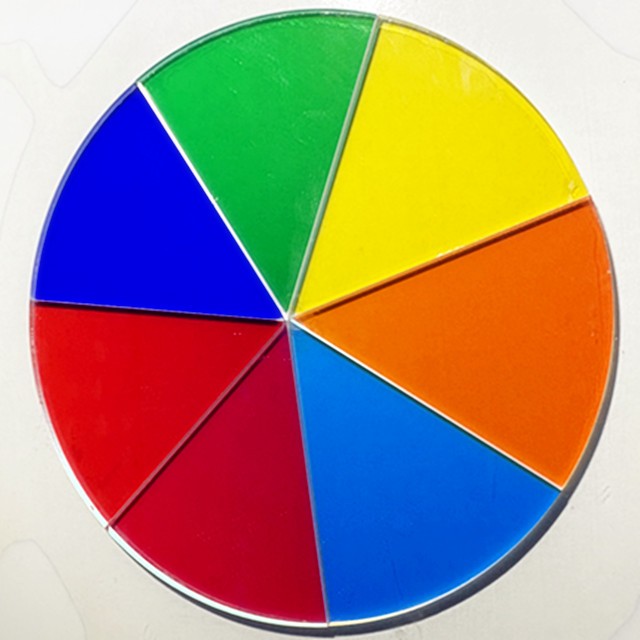
Factory Customization Dichroic Glass Gobo Glass
Factory-customized dichroic gobo glass for color separation, projection and high-heat lighting systems.
View product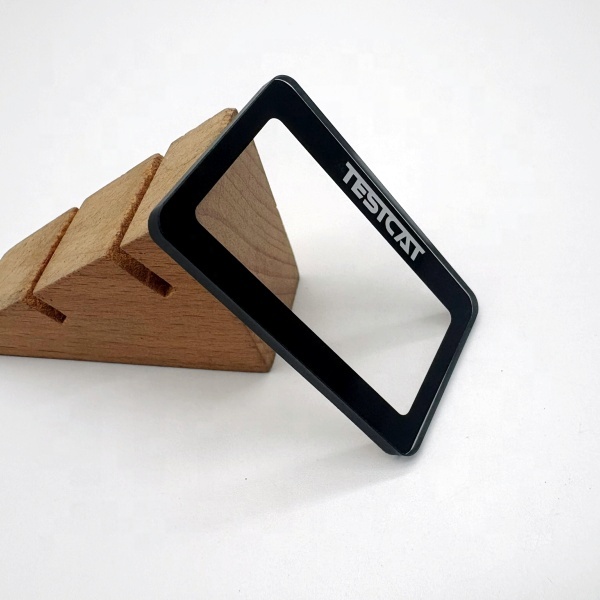
Custom Gorilla Glass Panel Tempered Glass Display Window Silk Screen Printing for LCD Display
Printed Gorilla® glass display windows that combine scratch resistance, optical clarity and clean ink registration for LCD assemblies.
View product
1.5mm 2mm Tempered Glass Thickness Touch Switch Glass Plate
Thin tempered touch switch plates for appliances, smart home controls and industrial interfaces.
View product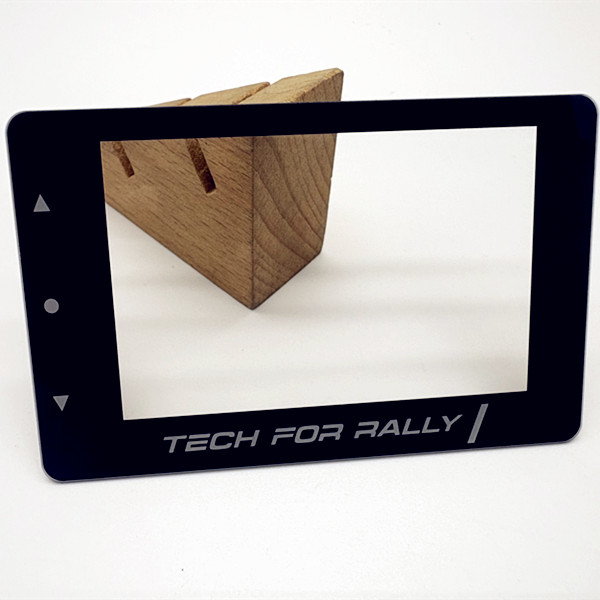
Customize Tempered Glass Silk Printed AR Coating Gorilla Glass LCD Screen Protection Display
AR-coated, silk-printed Gorilla® cover glass for glare reduction and durable display protection.
View productCeramic Glass Is a Search Term — The Substrate Is the Real Decision
In global OEM sourcing, “ceramic glass” is used in several ways. Some buyers mean a true glass-ceramic with controlled crystallization; others use it as shorthand for heat-resistant technical glass, transparent ceramic-like cover glass or high-performance specialty glass used near light and heat. The substrate choice controls thermal shock resistance, optical transmission, scratch resistance, print adhesion, chemical durability and total landed cost.
For a gobo or lighting filter, borosilicate 3.3 or dichroic-coated glass may be the correct route. For a touch panel, chemically strengthened Gorilla® glass or ultra-clear soda-lime with AR coating may deliver a better balance of strength, clarity and cost. For biochips, wafers and PLC substrates, Corning® Eagle XG provides low thermal expansion and reliable flatness. A credible China best ceramic glass manufacturers & wholesaler should therefore help you select the material before it quotes the part.
Fevry Glass Co., Ltd. is based in Xinyu, Jiangxi, China, and works across optical, biological, semiconductor, communications, lighting and electronics applications. The company sources raw glass from Corning, AGC and established Chinese optical-glass makers such as Chengdu Guangming and Xinhuguang, then processes it with laser, ultrasonic, CNC carving, grinding and inspection equipment imported from the USA, Germany and Japan. This combination of traceable material and in-house finishing is the practical basis of information gain for serious buyers.
Three RFQ questions that prevent expensive rework
1. What temperature and thermal cycling will the part see? 2. Which optical metric matters most — transmission, haze, color stability or dichroic shift? 3. Which process stage cannot be reworked after strengthening or coating? A supplier that answers these questions before pricing is usually a lower-risk source than one that only publishes a price per square meter.
 Drawing-based glass production for optical, lighting and electronics OEMs.
 Imported cutting, grinding and inspection equipment.
 Visual and dimensional checks before export packing.
Recommended Glass Paths by Application and Procurement Stage
Different applications create different search intent. Use these four recommendation paths to shortlist the right technical glass product before requesting samples.
Display & Touch Cover Glass
Choose Gorilla®, ultra-clear soda-lime or chemically strengthened glass with AR coating and silk printing. Best for LCD windows, appliance panels, smart-home controls and automotive trim glass.
Lighting & Gobo Glass
Specify borosilicate 3.3, dichroic-coated glass or heat-resistant gobo blanks for stage, film, architectural and high-power LED lighting where thermal shock is a real risk.
Heat-Resistant Window Glass
Use borosilicate 3.3 sheets from 0.3 mm to 3.3 mm for lighting covers, instrument windows and heat-resistant viewing panels. Low thermal expansion helps avoid cracking during thermal cycling.
Precision Substrates
For biochips, analyzers, glass wafers and PLC substrates, evaluate Corning® Eagle XG and low-expansion borosilicate glass. Flatness and dimensional stability often matter more than direct sheet price.
What Global Buyers Will Expect from Ceramic Glass Manufacturers
Procurement teams are moving from transactional buying to application-specific supplier qualification. The next sourcing cycle will reward manufacturers who provide evidence, engineering depth and stable process control.
Dual-Source Material Strategy
OEMs will qualify one primary substrate and one backup route instead of relying on a single sheet supplier. A wholesaler who understands soda-lime, borosilicate, Gorilla® and Eagle XG alternatives can shorten the second-source process.
Total Landed Cost & Engineering Support
Piece price is only one variable. Breakage rate, print yield, coating rework, inspection confidence and response speed all affect landed cost. Buyers will favor suppliers who can review drawings and flag process risks before mass production.
Traceability & Application Validation
Public supplier assessment records, buyer ratings and transaction history are becoming part of the RFQ file. Technical validation — fit, optical performance, coating side and print color — should be documented before purchase orders are released.
Compressed Sample Cycles
Digital drawings and faster sample rounds are shortening development timelines. Suppliers with in-house cutting, strengthening, printing and coating can validate changes in fewer hand-offs and with clearer accountability.
Technical Directions Reshaping Ceramic Glass and Precision Glass
The market is not simply asking for thinner glass. It is asking for thinner glass that remains flat, printable, coatable, strong enough for handling and predictable after thermal or optical testing.
Thinner Chemically Strengthened Glass
For 0.15 mm to 2 mm cover glass, ion exchange raises surface strength while keeping the sheet flat and optically clean. Applications include sensor covers, ultra-thin protectors and compact display windows.
Multifunctional Coating Stacks
AR, anti-glare, anti-smudge and dichroic coatings are becoming product differentiators. Coating side, transmission target and durability must be defined together with the print and strengthening process.
Low-CTE Glass for Optics & Biotech
Corning® Eagle XG and borosilicate 3.3 are increasingly specified for biochips, analyzer filters, PLC substrates and micro-optics where low thermal expansion and flatness support repeatable alignment.
Printed & Back-Painted Functional Glass
Silk-printed borders, icon windows, IR-transparent ink areas and back-painted LED cover glass reduce assembly steps. The value shifts from raw sheet supply to integrated glass processing and inspection.
Compare Substrates Before You Request a Quotation
Use this preliminary guide to align engineering and purchasing. Final specifications should always be confirmed against the manufacturer datasheet and your drawing.
| Material | Typical Thickness | CTE (×10⁻⁶/K) | Best Fit |
|---|---|---|---|
| Ultra-clear soda-lime | 0.5 – 4 mm | ≈ 9.0 | Cover glass, AR panels, printed windows and cost-sensitive display parts. |
| Gorilla® alkali-aluminosilicate | 0.4 – 2 mm | ≈ 7.5 – 8.5 | Scratch-resistant touch covers, LCD windows, electronic device panels. |
| Borosilicate 3.3 | 0.3 – 3.3 mm | 3.3 | Heat-resistant windows, gobo blanks, lighting covers, laboratory and instrument glass. |
| Corning® Eagle XG | 0.5 – 1.1 mm | ≈ 3.2 | Biochips, wafers, PLC substrates, micro-optics and dimensional-stability applications. |
| Chemically strengthened thin glass | 0.15 – 2 mm | Base-glass dependent | Ultra-thin protectors, sensor covers and compact electronic displays. |
Buyer note: thermal tempering is generally used for thicker glass around 3 mm and above. For thin cover glass, chemical strengthening is often more suitable because it improves surface strength without the optical distortion risks associated with thermal tempering on very thin sheets.
Why Fevry Glass Is Built for Drawing-Based OEM Projects
E-E-A-T in specialty glass is not a slogan. It is traceable material, proven process control, visible supplier records and the engineering discipline to say what can — and cannot — be manufactured from a drawing.
Traceable Raw-Glass Sourcing
Raw glass is sourced from Corning, AGC and established Chinese optical-glass makers including Chengdu Guangming and Xinhuguang. Material origin matters when optical, thermal or chemical performance must remain repeatable.
In-House Cutting & Strengthening
Laser, ultrasonic, CNC carving and grinding equipment imported from the USA, Germany and Japan supports custom outlines, holes, notches and edge finishes before thermal or chemical strengthening.
Coating, Printing & Back Painting
AR coating on one or both sides, dichroic and filter coatings, Pantone-matched silk printing and back painting can be combined in one production route, reducing hand-offs and supplier coordination.
Dimensional & Optical Inspection
Size, thickness, flatness and visual defect checks are performed before packing. For display and lighting parts, print registration, coating appearance and edge condition are reviewed against the approved sample.
Responsiveness Buyers Can Check
Fevry Glass has been an Alibaba.com member for 10+ years, maintains a 100% inquiry response rate, typically replies within 4 hours, holds a 5.0/5 buyer rating and serves 7+ export regions.
Export Packing for Fragile Glass
Interleaved, cushioned packing designed for thin glass helps protect edges, printed surfaces and coated faces during international shipping. The company’s guiding principle remains: “Quality is superior, service is supreme, reputation is first.”
A Clear Four-Step Path from Drawing to Export Delivery
Designed for procurement teams that need predictable communication, traceable samples and one accountable source for glass processing.
Share Drawing & Application
Send the 2D drawing, material, thickness, tolerances, edge finish, print colors, coating side and annual volume.
Engineering Review
We confirm manufacturability and recommend substrate, thickness, strengthening method and coating route.
Sample Approval
Samples validate fit, print registration, AR appearance and edge quality before bulk production starts.
Production, Inspection & Packing
Mass production, dimensional/visual checks and cushioned export packing are managed under one workflow.
Ceramic Glass & Custom Glass Procurement FAQ
Technical answers for engineers and sourcing managers comparing ceramic glass manufacturers and wholesalers in China.
Should I choose chemically strengthened or thermally tempered glass?
Thermal tempering is generally best for glass around 3 mm and thicker. For ultra-thin cover glass from 0.15 mm to about 2 mm, chemical strengthening by ion exchange increases surface strength while keeping the sheet flat and optically clean. In both cases, cutting, drilling and edge grinding must be completed before strengthening.
When is borosilicate 3.3 better than soda-lime glass?
Borosilicate 3.3 has a thermal expansion coefficient of about 3.3 × 10⁻⁶/K, roughly one third of soda-lime glass, so it resists thermal shock far better. It is preferred for lighting covers, heat-resistant windows, gobo blanks, laboratory glass and instrument glass.
Why is Corning® Eagle XG used for biochips, wafers and PLC substrates?
Eagle XG is an alkali-free boro-aluminosilicate glass with low thermal expansion and a fusion-formed surface that offers excellent flatness and dimensional stability. That makes it suitable for micro-patterning, bonding and precision optical alignment.
What is the minimum order quantity?
Most custom cover glass and AR glass items start from 300 to 500 pieces; some Eagle XG cut parts start from 1,000 pieces, and selected gobo glass blanks can start from 10 pieces. Samples can be arranged to validate fit and optical performance before mass production.
What information do you need to evaluate a custom glass project?
Send a 2D drawing in DWG, DXF or PDF with outline dimensions and tolerances, thickness, glass material, edge finish, hole and notch positions, strengthening method, print colors with Pantone references, AR coating side, application and annual quantity to info@fevryglass.com.
Which markets does Fevry Glass export to?
Fevry Glass serves customers in China and exports to Western Europe, the United States, Japan, South Korea, Taiwan, Hong Kong and Southeast Asia, with export packing designed for fragile thin glass and coated surfaces.
Have a Drawing? Let’s Engineer Your Ceramic Glass Part.
Send your specifications, target application and annual volume. Our team typically replies within 4 hours with a practical material recommendation and next steps for sampling.