8 Ultra-Thin Glass Products Built for Custom RFQs
These eight configurations cover the fastest routes from drawing to qualified sample: printed cover glass, AR-coated display glass, touch-switch plates, dichroic gobo glass, heat-resistant blanks and OLED cover glass. Use them as starting specifications; our engineers confirm tolerance, coating, strengthening and print compatibility before quoting.
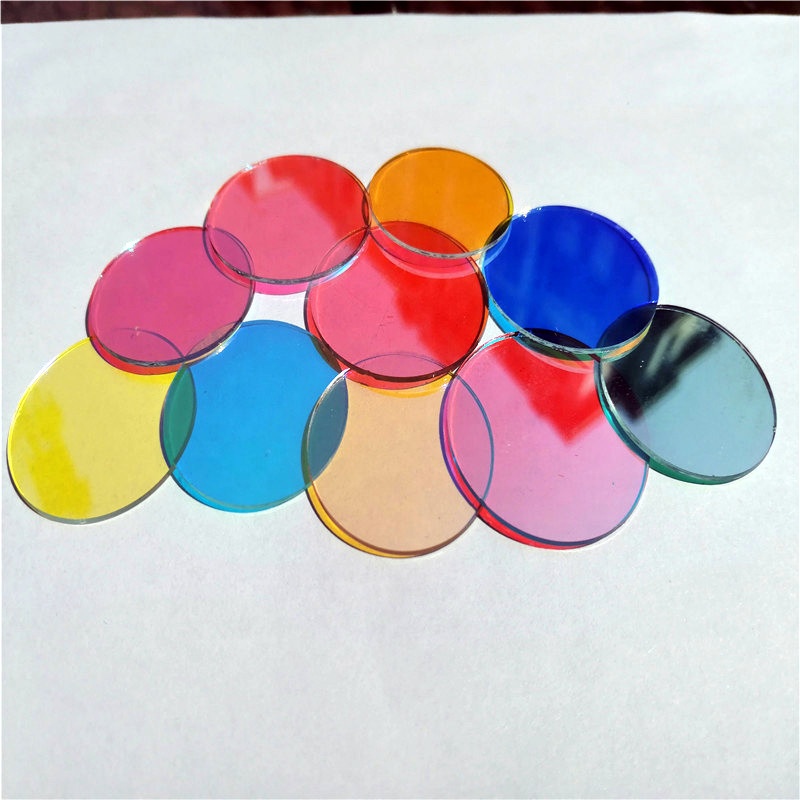
Customize logo Color Glass Gobo Glass
Color-coated gobo discs with logo patterning and wavelength control for stage, architectural and effect lighting. Produced to drawing with edge finishing and heat-resistant substrate options.
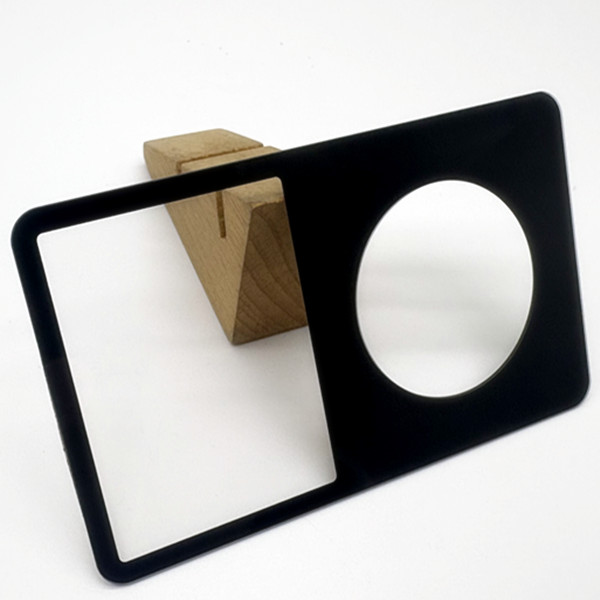
Factory Custom Smart Silkscreen Gorilla Glass Panel Tempered Glass Printing Glass
Chemically strengthened alkali-aluminosilicate cover glass with multi-color silk printing, tempered finishing and custom apertures for smart-home and electronic control panels.
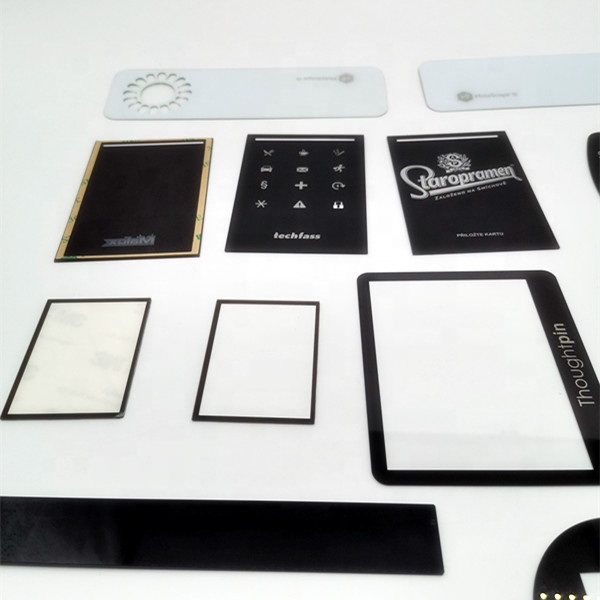
Custom Display Screen Silk Screen Printing Tempered Gorilla Glass
Printed display cover glass with optical-grade clarity, abrasion resistance and precise icon windows. Suitable for industrial displays, instruments and consumer interfaces.

0.3mm ~ 2mm Dichroic Glass Mirror for Gobos
Heat-resistant dichroic mirror for color separation, gobo effects and optical filters. Coating appearance and transmission targets are confirmed against your lighting design.

1.5mm 2mm Tempered Glass Thickness Touch Switch Glass Plate
Flat touch-switch glass with smooth edge finishing, high transmittance, printed windows and IR-friendly apertures for appliances, wall controls and smart-home panels.
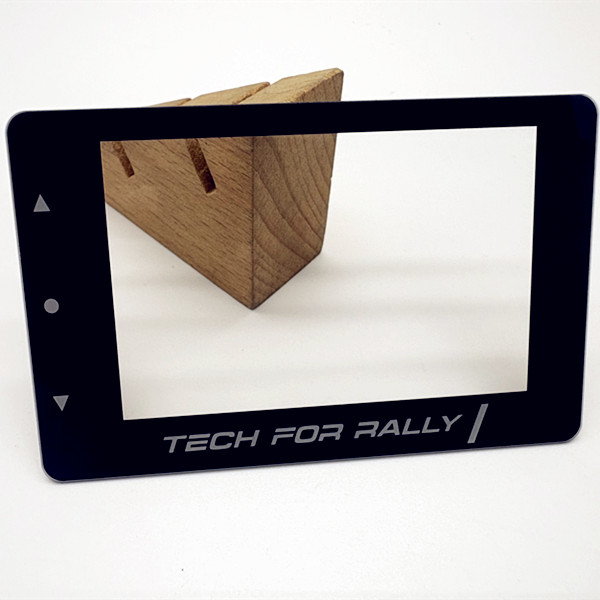
Customize Tempered Glass Silk Printed AR Coating Gorilla Glass LCD Screen Protection Display
AR-coated Gorilla glass display protection with printed borders and tempered strength. Reduces reflection under strong light while protecting LCD and touch modules.
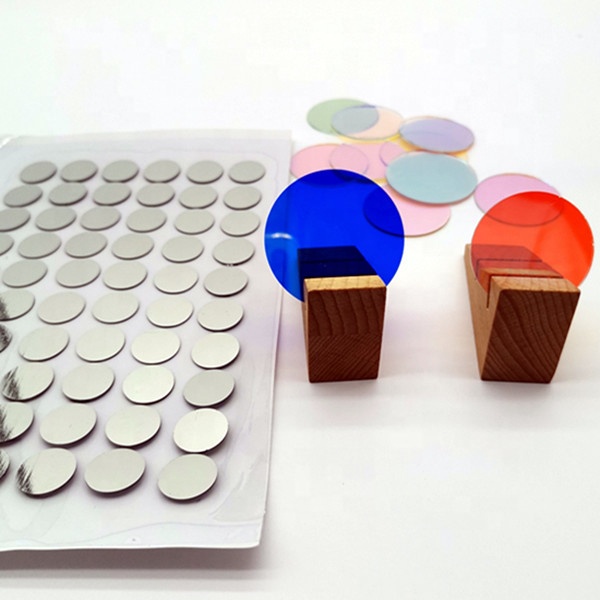
0.2mm 0.3mm 0.4mm 0.5mm 0.7mm 1.0mm 2mm Heat Resistant Gobo Glass Blanks
Borosilicate gobo blanks in multiple thicknesses for high-power stage lighting. Low thermal expansion supports heat resistance during long duty cycles.
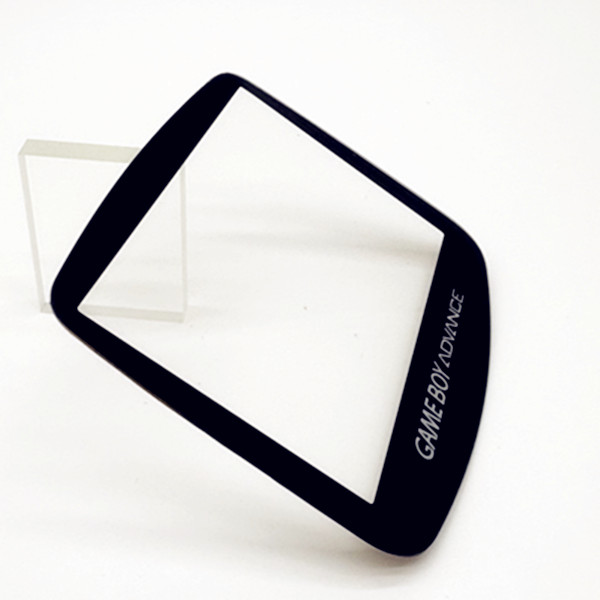
Custom Premium Gorilla Tempered Silk Screen Printed Glass Touch Screen Printed Glass Panels Cover Glass for OLED Screen
Premium OLED cover panel with precision printing, chemical strengthening and edge quality suitable for premium electronics, touch displays and control surfaces.
Years as Alibaba.com member
Average response time
Inquiry response rate
Buyer rating
Export regions served
CE-Ready Ultra-Thin Glass Supply, Explained Without Guesswork
Buyers searching for CE certified ultra thin glass exporters and wholesalers are usually not shopping for a generic sheet. They are qualifying a manufacturing partner for a component that must fit a drawing, survive handling, meet optical targets and support the compliance file of a finished product.
Fevry Glass Co., Ltd. is a specialty glass supplier based in Xinyu, Jiangxi, China. Our work focuses on custom tempered, anti-reflective, silk-screen printed, borosilicate 3.3, Corning® Eagle XG, glass wafer, optical filter, gobo and ultra-thin chemically strengthened glass. We serve optical, biological, semiconductor, communications, lighting and electronics customers, and we export to Western Europe, the United States, Japan, South Korea, Taiwan, Hong Kong and Southeast Asia. Our guiding principle — “Quality is superior, service is supreme, reputation is first” — is supported by measurable signals: 10+ years as an Alibaba.com member, ≤4 h average response time, 100% inquiry response rate, 5.0/5 buyer rating and 7+ export regions served.
Where a project requires CE marking, our role is to supply consistent, traceable glass components and evidence for the technical file. That includes substrate origin and datasheet references, strengthening and coating records, print color references, dimensional and visual inspection results, and packing specifications. CE marking of the finished article remains with the responsible manufacturer; the value of our documentation is that it reduces unknowns when your compliance team assembles the file. That distinction matters for E-E-A-T and for procurement teams who need real evidence, not vague certification language.
Information gain for first-round evaluation: custom cover glass and AR glass items commonly start from 300–500 pieces; custom-cut Corning® Eagle XG parts from 1,000 pieces; selected gobo glass blanks from 10 pieces. Samples can be arranged to validate fit, print color and optical performance before mass production.
What Smart Glass Buyers Are Changing in 2025–2026
The strongest RFQs now look different from price-only sheet inquiries. They include application data, compliance evidence, sample gates and a realistic ramp plan.
Qualified yield over lowest sheet price
Buyers now calculate total cost across breakage, rework, coating rejects, print durability and compliance delays. A stable process with fewer unknown variables often beats a lower quote with inconsistent output.
Traceable substrate sourcing
Procurement teams want to know whether the base glass is ultra-clear soda-lime, borosilicate 3.3, Eagle XG or alkali-aluminosilicate. Material origin affects thermal expansion, flatness, coating adhesion and downstream bonding.
Thin-glass strength with edge quality
As covers move below 1 mm, ion-exchange strengthening and edge finishing become more important than simple thickness claims. Micro-cracks and poor chamfers can negate the benefit of stronger glass.
Compliance evidence as a gate item
CE technical files, RoHS/REACH declarations where applicable, material datasheets and inspection reports now sit beside the drawing. Suppliers who can explain their evidence package reduce buyer risk.
Where Ultra-Thin Glass Is Going Next
Product roadmaps increasingly ask one glass part to do more: protect, display, conduct touch, hide circuitry, manage reflection and survive heat.
Integrated AR, print and anti-glare
Instead of separate processing steps, buyers prefer cover glass that combines anti-reflective coating, printed borders, icon windows and anti-glare surface treatment in one qualified part.
Sub-0.7 mm chemical strengthening
0.15–0.7 mm glass is increasingly specified for sensor covers, wearables and compact displays. Ion-exchange strengthening keeps the sheet flat while improving surface strength.
Borosilicate and alkali-free substrates
Borosilicate 3.3 and Eagle XG continue to grow in heat-resistant windows, biochips, analyzer filters and PLC substrates where thermal expansion and dimensional stability matter.
Dichroic and coated lighting glass
High-power LED and stage lighting designs need dichroic mirrors and heat-resistant gobo blanks that preserve color separation while tolerating long duty cycles.
Choose the Substrate Before the Specification
Thermal, optical and chemical performance start with the right glass. This matrix supports preliminary selection; final values are confirmed against the manufacturer datasheet and your drawing.
| Material | Typical Thickness | Strength / Processing | Optical / Coating Fit | Best For |
|---|---|---|---|---|
| Ultra-clear soda-lime | 0.5–4 mm | Thermal tempering, CNC, edge grinding | AR coating, silk print, back painting | Display covers, touch panels, appliance windows |
| Gorilla®-type alkali-aluminosilicate | 0.4–2 mm | Chemical strengthening, precision printing | AR coating, printed borders, icon windows | Scratch-resistant touch and display covers |
| Borosilicate 3.3 | 0.3–3.3 mm | Thermal shock resistance, heat-resistant processing | Dichroic, AR, clear or colored coatings | Gobo blanks, heat-resistant windows, lab glass |
| Corning® Eagle XG | 0.5–1.1 mm | Alkali-free, fusion-formed flatness | High dimensional stability for micro-patterning | Biochips, wafers, PLC and micro-optics |
| Chemically strengthened thin glass | 0.15–2 mm | Ion-exchange strengthening, thin-glass handling | High clarity, AR, selective printing | Ultra-thin protectors, sensor covers, compact displays |
| Dichroic coated borosilicate | 0.3–2 mm | Heat-resistant substrate with optical coating | Color separation, gobo effects, filter coatings | Stage lighting, color mixing, optical filters |
CTE, transmission and coating performance depend on the exact grade and coating design. Share your application, coating side and annual volume for a drawing-specific recommendation.
Which of the 8 Products Fits Your Application?
Use this application map to shortlist a starting product, then request a sample plan and drawing review.
| Application | Recommended Starting Products | Why It Fits |
|---|---|---|
| Stage / architectural lighting gobo | logo color gobo glass; dichroic mirror for gobos; heat-resistant gobo blanks | Heat resistance plus color/coating control for high-power lighting duty. |
| Smart-home or appliance control panel | 1.5/2 mm touch switch glass plate; smart silkscreen Gorilla glass panel | Printed windows, touch-friendly surface and tempered protection. |
| LCD / OLED display protection | silk-printed AR Gorilla glass; premium OLED cover glass; printed display cover glass | Scratch resistance, print precision and optional AR for glare control. |
| High-glare outdoor or instrument display | AR-coated printed Gorilla glass; custom display screen glass | AR coating reduces reflection while printed borders hide circuitry. |
| LOGO window and decorative front panel | smart silkscreen panel; custom logo color glass | Multi-color printing, logo definition and custom outline processing. |
Fevry Glass: Engineering Evidence Behind the Wholesale Offer
Our advantage is not a single machine or a single coating line. It is the ability to connect material selection, processing, inspection and export packing in one accountable workflow.
We source raw glass from Corning, AGC and other multinational producers and work closely with established Chinese optical-glass makers such as Chengdu Guangming and Xinhuguang. Every project therefore starts from traceable, consistent material rather than an unknown sheet. Our technicians process glass on laser, ultrasonic, CNC carving, grinding and inspection equipment imported from the USA, Germany and Japan. For buyers comparing ultra-thin glass exporters, that combination shortens the path from drawing review to a sample that can actually be approved.
Traceable material access
Corning®, AGC, Chengdu Guangming and Xinhuguang material routes support repeatable optical, thermal and mechanical performance.
In-house precision machining
Laser cutting, CNC, ultrasonic machining, grinding and edge finishing for custom outlines, holes, notches and slots.
Strengthening and coating
Thermal tempering for thicker panels; ion-exchange for thin glass; AR, dichroic and optical coatings for display and lighting.
Silk printing and back painting
Pantone-matched borders, logos, icon windows and IR-transparent ink areas for smart controls and displays.
Dimensional and visual inspection
Size, thickness, flatness and visual defect checks are completed before interleaved export packing.
Export discipline and response speed
Western Europe, the USA, Japan, South Korea, Taiwan, Hong Kong and Southeast Asia shipments; ≤4 h average response time.


What Goes Into a CE-Ready Technical File
For engineers, “CE ready” is not a badge. It is a set of traceable inputs that support the finished product’s compliance work.
We help buyers reduce documentation friction by supplying clear component-level evidence: material datasheet references, strengthening method, coating side and target, print color references, inspection criteria and packing specifications. This is especially important when ultra-thin glass is used in displays, controls, lighting and instruments where a replacement batch must behave like the approved sample.
Drawing and tolerance review
2D drawing, edge finish, holes, notches and flatness requirements are confirmed before quoting.
Substrate lot and datasheet
Material grade, thickness and source are recorded so the approved sample can be repeated.
Strengthening and coating records
Thermal or chemical strengthening, AR side, dichroic target and print sequence are documented.
Inspection results
Dimensional checks, visual defect limits and sample retention help align production with the R&D team.
Market declarations
RoHS/REACH or other requested declarations are prepared where applicable to the materials and processes.
Export packing specification
Interleaved, cushioned and moisture-protected packing designed for fragile thin glass transit.
From Drawing to Repeat Order: 5 Clear Steps
A predictable path for sourcing managers who need fewer surprises between sample approval and mass production.
Share the drawing
Send DWG, DXF or PDF with dimensions, tolerances, material, thickness, edge finish and annual volume.
Engineering review
We confirm manufacturability and recommend substrate, strengthening, coating and print sequence.
Sample approval
Samples validate fit, color matching, coating appearance, edge quality and optical performance.
Mass production
Processing runs with in-line dimensional and visual checks against the approved sample.
Export packing
Interleaved, cushioned packing and documentation support safe international delivery.
Procurement FAQ for CE-Ready Ultra-Thin Glass Buyers
Technical and commercial answers for engineers and sourcing teams comparing exporters and wholesalers.
What does “CE certified ultra thin glass” mean for a component supplier?
In most cases, the CE mark applies to the finished product or machinery, not to a bare glass sheet. A responsible glass supplier supports your CE technical file with material records, coating and strengthening information, print color references, inspection criteria and packing specifications. Fevry Glass supplies that component-level evidence; the final CE declaration for the finished article remains with the responsible manufacturer.
Which thickness should be chemically strengthened instead of thermally tempered?
Thermal tempering is generally chosen for glass around 3 mm and thicker. For ultra-thin cover glass from 0.15 mm to about 2 mm, chemical strengthening by ion exchange improves surface strength while keeping the sheet flat and optically clean. Cutting, drilling and edge grinding must be completed before strengthening because the glass cannot be re-cut afterwards.
When is borosilicate 3.3 better than soda-lime glass?
Borosilicate 3.3 has a thermal expansion coefficient of about 3.3 × 10⁻⁶/K, roughly one third of soda-lime glass, so it resists thermal shock far better. Choose it for gobo blanks, heat-resistant windows, lighting covers, laboratory glass and instrument parts where temperature changes or chemical exposure are expected.
Why is Corning® Eagle XG used for biochips, wafers and PLC substrates?
Eagle XG is an alkali-free boro-aluminosilicate glass with low thermal expansion and a fusion-formed surface. That combination provides excellent flatness and dimensional stability for micro-patterning, bonding and precise optical alignment, which is why it appears in biochips, analyzer filters, wafers and PLC substrates.
What minimum order quantity should a wholesale buyer expect?
Most custom cover glass and AR glass items start from 300–500 pieces; custom-cut Eagle XG parts from 1,000 pieces; and selected gobo glass blanks from 10 pieces. Samples can be arranged to validate fit, print color and optical performance before mass production. Final MOQ depends on size, coating, printing and material availability.
What information is needed for a fast quotation?
Send a 2D drawing (DWG, DXF or PDF) with outline dimensions and tolerances, thickness, glass material, edge finish, hole and notch positions, strengthening method, print colors with Pantone references, AR coating side(s), application, target sample date and annual quantity. Complete information lets our engineers respond with a firm recommendation in one round.
How do you control print color and AR appearance consistency?
We confirm Pantone references, print sequence, ink opacity and window size on the drawing, then retain approved limit samples. For AR coating, the coating side, target reflection and transmission expectations are agreed before sampling. Production checks compare the batch against the approved sample, with visual and dimensional inspection before packing.
Which export markets do you serve?
Besides customers in China, Fevry Glass regularly exports to Western Europe, the United States, Japan, South Korea, Taiwan, Hong Kong and Southeast Asia. Export packing is designed for fragile thin glass, with interleaving, cushioning and carton protection matched to the part size and shipping route.
Have a Drawing, Target Thickness and Annual Volume?
If you are comparing CE-ready ultra-thin glass exporters and wholesalers, ask for evidence: substrate origin, strengthening records, coating data, print color references, packing standard and response time. Our engineers typically reply within 4 hours with a manufacturability note and a sample path.