Custom Low Iron Glass · CE Documentation Support · Global Wholesale

CE Certified Low Iron Glass Supplier & Wholesalers

Custom ultra-clear, tempered, AR-coated, silk-screen printed and dichroic low iron glass cut to drawing for displays, touch panels, lighting, appliances and optical devices. 0.15–4 mm thickness, export-grade packing and engineering review before quotation.

Product Recommendations

8 Low Iron Glass Products for Custom Wholesale Programs

The product set below reflects the real buying intent behind “CE Certified Low Iron Glass Supplier & Wholesalers”: OEMs and distributors need optical clarity, print accuracy, coating durability, stable tolerances and a documentation route for CE conformity. Each item can be customized by size, thickness, edge finish, coating side, print colour, strengthening method and packing. Product URLs are preserved from the original catalogue.

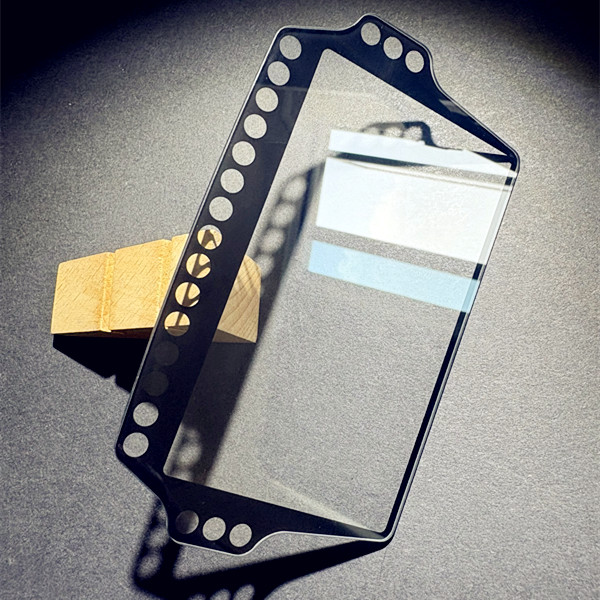
0.3mm to 2mm dichroic glass mirror for gobos
Lighting & Gobos

0.3mm ~ 2mm Dichroic Glass Mirror for Gobos

Thin dichroic mirror glass for gobo and stage lighting applications. The coating reflects selected wavelengths and transmits others, creating saturated colour effects while managing heat exposure in compact optical assemblies.

0.3–2 mmDichroicGobo
10+Years in specialty glass supply
≤4hAverage inquiry response
100%Inquiry response rate
7+Export regions served
5.0/5Buyer rating record
Information Gain

Why Low Iron Glass Outperforms Standard Clear Glass in Optical and Energy-Critical Designs

Low iron glass is not a cosmetic upgrade. It changes transmission, edge colour, colour rendering, coating behaviour and the way a finished panel is perceived by the end user. For OEM buyers, those differences become a specification issue rather than a marketing claim.

Low iron glass is produced by controlling iron oxide in the glass batch. In standard clear soda-lime glass, iron absorbs part of the visible spectrum and creates the familiar green edge. In low iron glass, Fe2O3 is typically reduced to below 0.02%, and ultra-clear grades may go lower. The result is higher visible light transmission, a whiter edge and more neutral colour rendering. For a display cover, touch panel, appliance fascia, LED fixture or optical window, those differences influence perceived quality even when the glass is only 1 mm thick.

However, a low iron label alone is not a complete specification. Buyers should compare transmission curves at the actual thickness, edge colour under defined lighting, flatness, coating adhesion, print registration and the CE documentation route. A supplier that can explain these variables is usually more valuable than one that only quotes a lower price per square metre.

What the phrase “CE-certified low iron glass” should trigger in an RFQ

  • Which directive or harmonised standard applies to the final product?
  • Is CE marking assessed at component or finished-assembly level?
  • Are material declarations, dimensional reports and coating records required?
  • Does the drawing define transmission, colour coordinates, thickness and tolerance?
  • Has the sample been checked against the intended lighting and assembly condition?
  • Is the shipping pack validated for thin, printed or coated glass?
Low iron glass versus standard clear glass: a practical specification comparison
PropertyStandard clear soda-lime glassLow iron / ultra-clear glassWhy it matters
Iron contentNormal iron level creates a visible green edgeUsually below 0.02% Fe2O3; ultra-clear grades can be lowerReduces green cast and improves edge whiteness
Visible transmissionGood, but absorption rises with thicknessHigher transmission, especially in thicker or multi-layer stacksImportant for display brightness, LED efficiency and sensor windows
Edge colourGreen or blue-green edgeNeutral to white edgeAffects premium perception, colour matching and design intent
Colour renderingMay introduce a slight green tintMore neutral substrate for print, coating and illuminationHelps black borders, white graphics and illuminated icons stay consistent
CE relevanceBase material alone does not determine CE markingBase material alone does not determine CE markingFinal conformity depends on the product standard, strength, coating and application
Best-fit applicationsHidden parts, cost-sensitive windows, structural uses where colour is not criticalDisplays, touch panels, appliances, lighting, optical filters, premium architectural detailsSpecification should follow the visible and functional role of the glass

No single table replaces a sample test. Request a transmission curve, edge-colour sample and coating report for the exact thickness and production route being quoted.

Optical transmission and colour neutrality

Low iron substrates reduce the green cast that becomes visible in edge-lit displays, white appliance fascias and illuminated control panels. The benefit is strongest when the glass is thick, laminated, coated or viewed against white components.

CE document readiness

As a CE-focused supplier, Fevry Glass supports your conformity assessment with material declarations, dimensional reports, coating and print records, and declarations where applicable. The final CE route remains product- and application-dependent.

Strength and thickness matching

Thermal tempering suits thicker panels, while chemical strengthening supports ultra-thin low iron glass. Cutting, drilling and edge grinding must be completed before strengthening, so the process sequence belongs in the drawing review.

Coating compatibility

AR, dichroic, anti-glare and anti-fingerprint coatings interact with the glass surface and cleaning regime. A low iron base can improve optical headroom, but adhesion, abrasion resistance and transmission targets still require coating-specific validation.

Print registration and inspection

Black borders, white graphics and translucent windows demand tight print registration against the cut outline. Low iron glass gives a more neutral base for colour matching, while the supplier must still control ink thickness, curing and viewing conditions.

Total cost rather than price per sheet

The cheaper clear glass may cost less at the sheet level but create rework when colour mismatch, coating contrast or print appearance fails at assembly. A drawing-based RFQ should compare yield, defect rate and packing protection, not only unit price.

Future Procurement Trends

How Buyers Will Source CE-Certified Low Iron Glass Wholesale in the Next Buying Cycle

Procurement is moving from transactional buying to risk-managed sourcing. Price still matters, but the successful buyer now asks for documentation, sample traceability, packing validation and a supply route that can survive design changes.

Compliance-first RFQs

Buyers are asking for the CE route, material declarations and test evidence before sampling. The RFQ that defines the final application, applicable standard and document list will receive a faster and more accurate quotation.

Integrated optical stacks

A single low iron panel may now combine strengthening, AR coating, anti-glare etching, silk printing and anti-fingerprint treatment. Suppliers who coordinate the entire stack reduce hand-offs and protect optical performance across processes.

Smaller samples, faster scale-up

Brand owners want to validate a design with fewer pieces before committing to volume. A wholesale supplier with a practical sample route and clear MOQ logic can shorten development while keeping mass-production pricing predictable.

Dual-region supply planning

Distributors are comparing China-based custom processing with regional stock, staged delivery and buffer inventory. The winning plan usually separates high-mix custom glass from fast-moving standard sizes and documentation packages.

Yield and embodied carbon data

Low iron glass can improve optical efficiency, but buyers increasingly ask how cutting yield, packing weight and transport mode affect the project footprint. A supplier that measures scrap and packing performance is easier to defend internally.

Packaging as quality control

Thin, printed or coated glass often fails at the last mile. Interleaving, edge protection, moisture barriers and carton validation are becoming part of the quality agreement rather than an afterthought in the shipping department.

Product Development Trends

Low Iron Glass Development Trends Beyond 2025

The next phase of low iron glass development is less about “clearer glass” and more about integrating optical performance, strength, decoration and traceability into one qualified part.

Ultra-thin chemically strengthened glass

Thinner low iron glass is being adopted for sensor covers, touch interfaces and compact displays. Ion-exchange strengthening helps retain flatness and optical clarity while improving surface durability for handling and cleaning.

AR, AG and anti-fingerprint stacks

Single-function coatings are giving way to multi-layer optical stacks. Buyers want lower reflection, controlled haze, easy-clean surfaces and durable performance that survives abrasion, solvents and repeated assembly.

Decorated low iron smart surfaces

Low iron glass is increasingly used as a visible design surface with printed icons, dead-front graphics, translucent windows and back-painted colours. The supplier must control print, coating and glass colour as one visual system.

Borosilicate and dichroic specialisation

Lighting, laboratory and optical applications continue to require borosilicate 3.3, dichroic mirrors and other low-expansion substrates. These materials demand different cutting, coating and thermal knowledge from standard soda-lime cover glass.

Larger formats and tighter flatness

As displays and appliance panels grow, flatness, bow and dimensional stability become more visible. Processing equipment, support fixturing and inspection methods must scale with the panel size, not simply the cutting table.

Digital quality passports

Batch-level traceability, inspection images and coating records are becoming practical differentiators. A digital quality file helps buyers audit repeat orders, compare suppliers and respond quickly when a question arises at incoming inspection.

Fevry Glass precision glass processing workshop Fevry Glass imported cutting and grinding equipment Fevry Glass optical glass inspection and packing
Enterprise Advantages

Fevry Glass: Engineering Depth, Traceable Materials and Export Discipline

Fevry Glass Co., Ltd. is a specialty glass supplier based in Xinyu, Jiangxi, China. Drawing on hands-on work with optical, biological, semiconductor, communications, lighting and electronics customers, we help engineers select the right substrate and turn it into a finished, export-ready part rather than a generic sheet.

We source raw glass from Corning, AGC and other multinational producers and work closely with established Chinese optical glass makers such as Chengdu Guangming and Xinhuguang. That material traceability matters for repeat orders, CE documentation and the long-term consistency of transmission, colour and flatness.

  • Corning Eagle XG, borosilicate 3.3 and transparent ceramic glass
  • Semiconductor wafers and biochip glass substrates
  • PLC substrates and optical V-groove glass
  • Film, TV and stage lighting colour lenses
  • LED filament and optical coating glass
  • 0.15 mm and 0.2 mm ultra-thin protector glass
Our guiding principle — “Quality is superior, service is supreme, reputation is first” — and our motto “Your success, our glory” shape every drawing review, sample and shipment.

Material traceability

Raw glass can be aligned to recognised producers and optical-glass sources, helping buyers maintain consistent colour, transmission and flatness across repeat orders.

One-stop processing

Laser cutting, CNC shaping, ultrasonic drilling, edge grinding, thermal tempering, chemical strengthening, AR or dichroic coating, silk printing and inspection can be coordinated under one technical review.

Imported equipment

Production and inspection rely on laser, ultrasonic, CNC carving, grinding and metrology equipment imported from the USA, Germany and Japan, supporting repeatable tolerances and visual quality.

Application engineering

Experience across displays, touch panels, biotech analyzers, semiconductor carriers, optical communication, stage lighting and appliance glass helps shorten material selection and sample iterations.

Export-grade packing

Thin, printed and coated glass requires interleaving, edge protection, moisture barriers and cushioned separators. Packing is treated as part of the quality process, not a last-minute shipping detail.

Responsive project communication

Average response time is within 4 hours, the inquiry response rate is 100%, and the buyer rating record is 5.0/5. Export markets include Western Europe, the United States, Japan, South Korea, Taiwan, Hong Kong and Southeast Asia.

Applications & Selection

Where CE-Minded Buyers Specify Low Iron Glass

Low iron glass is a platform material. The same substrate can become a touch cover, an appliance fascia, an LED window, an optical filter, a lighting lens or a sensor window depending on strengthening, coating, printing and edge finish.

Display and touch interfaces

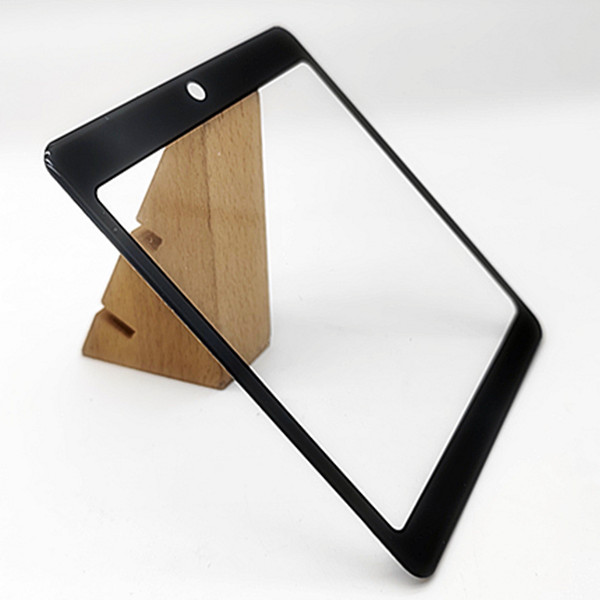
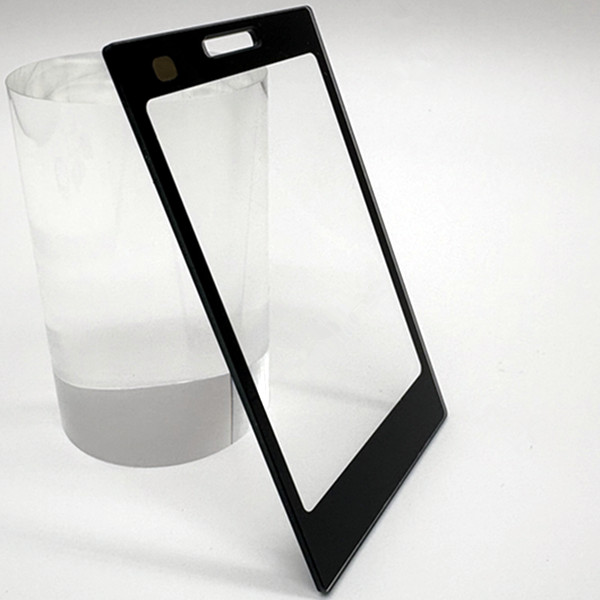
Low iron cover glass improves brightness and colour neutrality for HMI, medical displays, POS terminals, smart-home controls and industrial monitors.

Home appliances

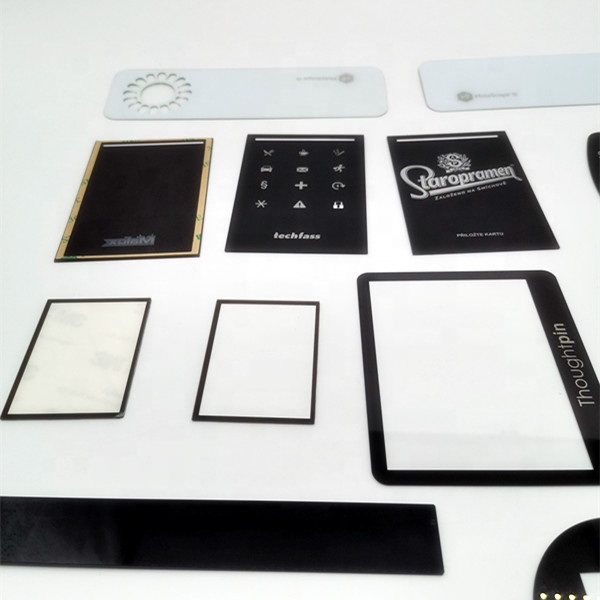
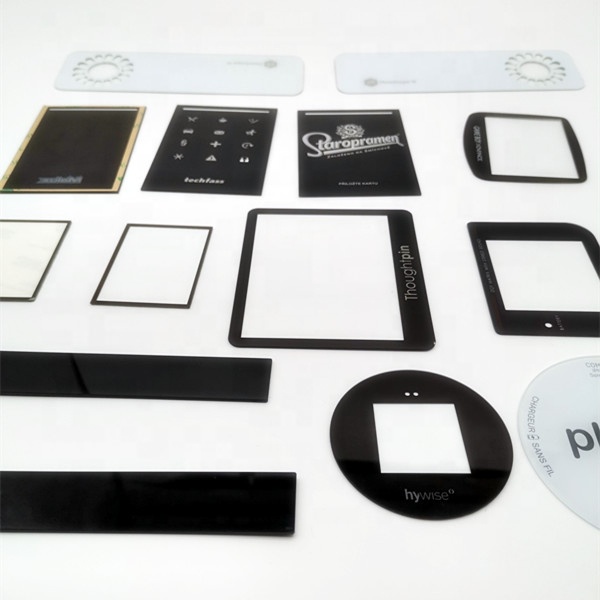
Printed low iron panels create black borders, white graphics and display windows for ovens, refrigerators, washing machines and built-in controls.

Stage, studio and LED lighting

Gobo blanks, dichroic mirrors and lighting covers require heat resistance, coating control and precise thin-glass cutting for optical assemblies.

Automotive and transport HMI

Dashboard trim panels, display covers and touch surfaces need low glare, durable print, stable flatness and reliable bonding to the housing.

Biotech and analytical instruments

Alkali-free Eagle XG and low-expansion substrates support biochips, analyzer filters and precision windows where flatness and dimensional stability matter.

Semiconductor and optical communication

Glass wafers, PLC substrates and V-groove glass require low-alkali or alkali-free materials, clean surfaces and inspection routines suited to micro-fabrication.

Typical low iron glass material selection guide
Material familyTypical thicknessKey propertyBest-fit application
Ultra-clear low iron soda-lime0.5–4 mmHigh visible transmission and neutral edgeCover glass, printed windows, appliance panels, LED covers
Gorilla-type alkali-aluminosilicate0.4–2 mmScratch resistance and chemical strengthening responseTouch covers, display protection, consumer electronics
Borosilicate 3.30.3–3.3 mmCTE around 3.3 × 10⁻⁶/K and strong thermal-shock resistanceHeat-resistant windows, gobo blanks, laboratory and lighting glass
Corning Eagle XG0.5–1.1 mmAlkali-free boro-aluminosilicate with high flatnessBiochips, analyzer filters, wafers and PLC substrates
Chemically strengthened thin glass0.15–2 mmThin profile with enhanced surface strengthUltra-thin protectors, sensor covers and compact displays

Values are typical industry figures for preliminary selection. Final specifications must be confirmed against the manufacturer datasheet, your drawing and the applicable CE conformity route.

Procurement Workflow

From Drawing to CE-Ready Delivery: A 6-Step Procurement Path

Designed for buyers who need predictable communication, fewer sample iterations and a clear hand-off from engineering to purchasing.

01

Share the drawing and application

Send DWG, DXF or PDF with outline, holes, notches, thickness, tolerances, edge finish, print colours, coating sides and annual volume.

02

Review compliance and material fit

Confirm the final product, applicable CE route, strengthening method, optical target and documentation package before pricing.

03

Approve a physical sample

Validate fit, colour, transmission, print registration, coating appearance and edge quality against the intended assembly lighting.

04

Process cutting and strengthening

Laser, CNC, ultrasonic, grinding, tempering or ion exchange are sequenced before coating and printing according to the drawing.

05

Print, coat and inspect

Inspection covers dimensions, visual defects, flatness, print alignment, coating condition and agreed functional requirements.

06

Pack, document and ship

Interleaved export packing, carton marking, inspection photos and document packages are aligned with the destination and order volume.

Buyer FAQ

CE Certified Low Iron Glass Supplier & Wholesalers: Common Buyer Questions

Direct answers to the technical and commercial questions that appear most often in low iron glass RFQs.

What does CE certification mean for low iron glass components?

CE marking is normally applied to the finished product or assembly under the relevant EU directive, not simply to a raw glass sheet. For construction-related glass, the applicable harmonised standard may be EN 12150 for thermally toughened glass, EN 14449 for laminated glass or EN 1096 for coated glass. For electronic appliances, conformity is usually assessed for the final device under LVD, EMC, RoHS or other applicable rules. As a supplier, Fevry Glass supports your assessment with material declarations, dimensional reports, coating and print records, and declarations or test evidence where applicable.

Is low iron glass always more expensive than standard clear glass?

Usually it carries a higher sheet cost because the raw glass batch and process yield are more demanding, especially for ultra-clear grades. The more useful comparison is total cost: fewer rejects from green-edge mismatch, better print contrast, fewer coating reworks and lower risk in premium products. For hidden or structural parts where colour does not matter, standard clear glass can still be the rational choice.

How can I verify low iron glass before mass production?

Request samples from the same thickness and production route, measure visible transmission against your target, compare edge colour under D65 or the assembly lighting, check flatness and print alignment, and confirm coating adhesion. If CE documentation is required, agree the document list before sampling so the sample, drawing and compliance file remain aligned.

What is the difference between low iron and ultra clear?

Both terms are commercial rather than universal standards. Low iron generally means reduced iron content and reduced green tint. Ultra clear implies an even stricter optical target, often combined with tighter inspection and premium raw glass. The only reliable method is to specify transmission, colour coordinates, thickness and defect limits in the drawing or purchase specification.

Which thicknesses can Fevry Glass supply?

Typical projects range from 0.15 mm to 4 mm, with common processing routes around 0.3, 0.5, 0.7, 1.1, 1.5, 2, 3 and 4 mm depending on material. Ultra-thin chemically strengthened glass suits sensor covers and thin displays; 3–4 mm thermally tempered low iron glass suits touch switch plates, appliance panels and public interfaces.

Can you support wholesale volumes while protecting the first order?

Most custom low iron glass projects start from 300–500 pieces, while selected items and specialty materials can require 1,000 pieces. For a first order, we recommend sample approval, a pre-production drawing sign-off and a packing validation plan. This reduces the risk that a larger shipment arrives with a print offset, coating defect or edge-chip rate that could have been caught earlier.

How is print colour controlled on low iron glass?

Colour is specified by Pantone reference, ink type, print layering and viewing condition. Low iron glass gives a more neutral base, which helps black borders, white graphics and translucent windows stay consistent. For critical branding, provide a physical colour master or signed boundary sample, and inspect print and glass under the same lighting used by the end customer.

What are typical lead times?

Lead time depends on material, tooling, coating, strengthening and print steps. Sampling often takes some weeks depending on complexity, and mass production follows after sample approval. A project with custom tooling, silk printing and AR coating has more process steps than an uncoated cut sheet, so the RFQ should state the required delivery date, annual volume and ship-to deadlines.

How do you protect thin glass during export?

Thin glass is packed with interleaving, edge protection, moisture barrier and cushioned separators. The pack design should consider glass thickness, size, surface finish and transport mode. For high-value printed or coated panels, we recommend a drop and vibration check on the shipping pack before mass production. Packing photos and carton markings help distributors receive and store the product without extra damage.

Which markets does Fevry Glass serve?

Besides customers in China, we export to Western Europe, the United States, Japan, South Korea, Taiwan, Hong Kong and Southeast Asia. We are familiar with the documentation, labelling and packing expectations of these destinations and can support RFQs that compare a China-based custom processing route with regional stock or staged delivery.
Request a Drawing-Based Low Iron Glass Quotation

Send your 2D drawing, thickness, transmission target, CE documentation needs, print colours, coating side and annual quantity. Our engineers typically reply within 4 hours with a manufacturability review and the next sampling step.

Inquire Now info@fevryglass.com