Thin Glass can look like a simple specification. Yet small changes in thickness, edge finish, or coating can affect an entire product. For global buyers, the challenge is comparing suppliers who may describe similar materials in different ways. A clear drawing, agreed tolerances, and written inspection criteria help reduce that uncertainty. Details matter.
Before placing a large order, buyers should check how a sample performs in its intended use. Look closely at clarity, surface marks, edge quality, and consistency between pieces. Ask suppliers for current technical data, packaging details, and information about production controls. Keep records. A photograph beside a ruler can document a visible issue, but it cannot replace proper measurement or agreed acceptance standards.
This guide outlines seven practical checks for selecting Thin Glass, from confirming specifications to reviewing delivery and communication. It also considers questions worth asking before price becomes the main deciding factor. A low unit price can be tempting, but breakage, inconsistent quality, or unsuitable packaging may add costs later. No checklist removes every risk. Specifications can still leave room for interpretation, so confirm important details directly with the supplier. The right choice depends on the application, order volume, and handling conditions. Use these tips as a starting point, then verify the details that matter most to your project.
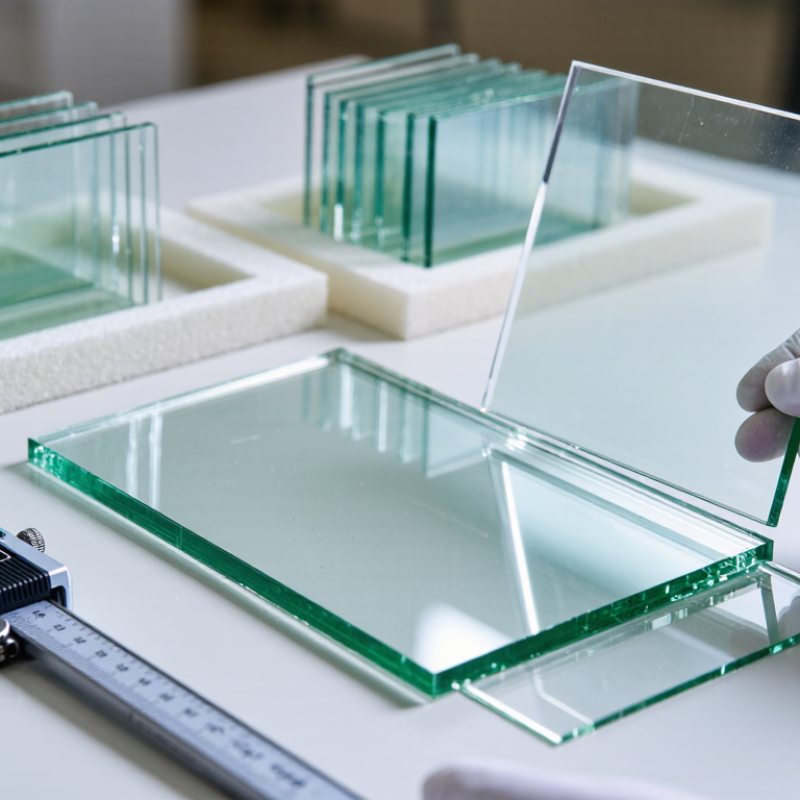
Thin glass describes sheets made in several ways, and the process affects performance. Float glass offers a smooth, economical surface for covers and partitions. Borosilicate glass handles temperature changes better, while chemically strengthened glass resists surface damage more effectively. These materials are not interchangeable. A phone cover near a warm appliance, for example, may need different properties from a display panel in a dry room.
Common thin-glass thicknesses range from under 1 millimeter to a few millimeters. A thinner sheet weighs less and can transmit more light, but it may flex or break more easily. Thickness alone does not define strength. Edge quality, surface scratches, dimensions, and processing also matter. Ask for the thickness tolerance, not just the nominal figure; small variations can affect fitting. I would also check how the glass performs under the actual temperature and handling conditions. Test data may not match every installation.
Tips: Request a sample cut to the intended size. Inspect its edges under bright light. Confirm optical distortion and flatness with the supplier. Keep one detail in mind: a sample can look perfect, yet production consistency still needs checking.
Thin glass is not specified by thickness alone. A 1.0 mm sheet may suit a lightweight display cover, while a similar sheet may fail under repeated impact or bending. Start with the real operating conditions: supported span, contact points, temperature changes, cleaning method, and expected handling. Ask suppliers to state thickness tolerance, flatness, edge finish, and optical requirements. Small variations matter. A rough edge can become the starting point for a crack, especially when the panel is clamped tightly.
Tips: Match the glass type to the job. For optical clarity, define haze and transmission targets. For touchscreens, check coating compatibility and surface durability. For thermal exposure, confirm the glass and any treatment can withstand the actual temperature cycle. Specify allowable edge chips, too. I have seen teams overlook packaging; thin sheets can arrive damaged even when the specification looks sound.
Then test representative samples in the intended assembly, not only as loose sheets. Include the frame, adhesive, fasteners, and real handling steps. Measure performance after temperature cycling or repeated cleaning when those conditions apply. A laboratory result is useful, but it may not predict every installation. That gap deserves attention. Share failure observations with the supplier and revise the specification before ordering at scale.
When sourcing thin glass, define thickness, size tolerance, flatness, edge finish, and intended use before comparing prices. A caliper can reveal thickness variation, while side lighting helps expose scratches, bubbles, and uneven edges. Small flaws matter. Request samples from more than one production batch; a polished sample may not represent routine output. I would not rely on appearance alone, especially for parts exposed to heat, impact, or repeated handling.
Check which quality documents apply to your product and destination market. Ask for current certificates, test reports, and the issuing body’s details. Confirm that each document covers the relevant factory, process, and glass type. A certificate with a familiar name is not enough if its scope is unclear. Requirements differ by application, so verify them with your technical team or a qualified testing provider. This step can feel slow, but it may prevent costly rework.
Supplier capability matters beyond the sample. Ask how thickness is measured, how defects are recorded, and how batches are traced. Review packaging details, too: corner protection, separators, and carton strength can affect breakage during shipping. Check production capacity and lead times against your forecast, then request written updates when specifications change. A responsive supplier is useful, but responsiveness alone does not prove consistent quality. Where possible, compare trial-order results with the agreed inspection criteria before scaling up.
When comparing thin-glass quotes, match the specification line by line: thickness, dimensions, edge finish, tolerance, and protective packing. A low unit price can hide charges for crates, inspection, export handling, or replacement pieces. Ask whether the minimum order applies per thickness, size, or production run. A mixed order may look flexible but still trigger setup fees or a higher price per sheet.
Tips: Request prices at two or three quantities, and ask for the quote’s validity period. Small lots cost more. Check the landed total. Include freight, insurance, duties, unloading, and likely breakage in your comparison.
The World Bank’s 2023 Logistics Performance Index used container-tracking data. It estimated an average 44-day journey from a container’s port of origin to its destination. That is not a glass-specific delivery promise, but it shows why timing and stock costs belong in the calculation. Ask suppliers to state the shipping term, packing method, lead time, and claims process in writing. Then compare the delivered cost per usable sheet, not just the quoted price. A spreadsheet can still miss local handling fees; confirm them with the destination broker before approving the purchase.
Use the checklist below to compare thin-glass offers on a like-for-like basis. Confirm the complete specification and delivery terms before placing an order.
| No. | Buying Tip | What to Specify or Compare | Why It Matters | Buyer Action |
|---|---|---|---|---|
| 1 | Define the glass and thickness precisely | Glass type, nominal thickness, thickness tolerance, and any coating or strengthening requirement. | Different glass compositions and processes can affect strength, optical properties, availability, and price. | Request written confirmation that every quote covers the same material and thickness. |
| 2 | Provide finished dimensions and tolerances | Length, width, dimensional tolerance, corner radius, hole locations, and cut-outs. | Cutting and inspection requirements influence yield, processing time, and reject risk. | Attach a dimensioned drawing and identify critical dimensions and tolerances. |
| 3 | Specify edge and surface quality | Edge finish, allowable chips, surface defects, optical quality, and inspection criteria. | “Standard finish” can mean different things between suppliers and may not match the final application. | Ask for the inspection standard, defect limits, and representative packaging or product photos. |
| 4 | Check the strengthening method | Whether the product is annealed, thermally tempered, or chemically strengthened, and the applicable process limits. | Not every thin-glass thickness or shape is suitable for every strengthening method. | Confirm process feasibility for the exact thickness, dimensions, and cut-outs before approving production. |
| 5 | Compare MOQ and order increments | Minimum order quantity, price breaks, sample quantity, and whether orders must be placed in fixed batch sizes. | A lower unit price can require buying more glass than the project needs, increasing cash tied up in inventory. | Compare the cost of the quantity you need with the cost of the supplier’s minimum batch. |
| 6 | Calculate total delivered purchase cost | Glass price, setup or tooling charges, packaging, freight, insurance, duties, taxes, and destination fees. | The quoted unit price alone does not show the full cost of receiving usable goods. | Use the same destination, shipment method, delivery term, and quantity when comparing offers. |
| 7 | Verify packing, inspection, and lead time | Protective separators, crate or carton design, inspection scope, production lead time, and transit estimate. | Thin glass can be vulnerable to handling damage; delays or breakage can add replacement and project costs. | Agree on packaging, pre-shipment inspection, claim evidence, and delivery milestones in writing. |
Example planning model for 1,000 required pieces of 1.1 mm glass, each measuring 200 × 300 mm, with the same assumed edge finish and destination. Figures are illustrative estimates in USD, not live supplier quotations.
| Quote Scenario | Unit Price | MOQ | Quantity Purchased | Glass Subtotal | Freight Estimate | Inspection / Setup | Estimated Total | Cost per Required Piece | Cost Consideration |
|---|---|---|---|---|---|---|---|---|---|
| A | $3.20 | 500 pieces | 1,000 | $3,200 | $420 | $150 inspection | $3,770 | $3.77 | Higher unit price, but the order closely matches the required quantity. |
| B | $2.85 | 1,000 pieces | 1,000 | $2,850 | $600 | $150 inspection | $3,600 | $3.60 | Lowest estimated total in this example; confirm freight and inspection scope. |
| C | $2.55 | 2,000 pieces | 2,000 | $5,100 | $850 | $200 inspection | $6,150 | $6.15 | Lower quoted unit price, but the MOQ doubles the purchase quantity; 1,000 pieces remain in inventory. |
| D | $2.70 | 1,000 pieces | 1,000 | $2,700 | $480 | $150 inspection + $500 setup | $3,830 | $3.83 | Low unit price is offset by a one-time setup charge; ask whether it applies to repeat orders. |
Cost basis: Estimated total = glass subtotal + freight estimate + listed inspection or setup fees. Cost per required piece = estimated total ÷ 1,000 required pieces. Duties, taxes, insurance, currency-conversion fees, breakage, and destination charges are excluded; actual costs depend on specification, order terms, route, and delivery location.
Thin glass needs a packaging plan built around movement, not appearance. Use individual cells or molded-pulp supports to stop rims and bases from touching. Keep bottles upright when the product design permits, and test the packed carton after vibration and drop exposure. A neat sample carton is not proof of safe transit. One weak corner can undo careful packing.
Sea freight deserves special attention. UNCTAD’s Review of Maritime Transport 2024 reports that more than 80% of international goods trade by volume moves by sea. Long voyages can expose cartons to stacking pressure, humidity, and repeated handling. Specify pallet limits, stretch-wrap tension, and moisture protection with the packer. Then request photos of the loaded pallet. They help, but they cannot replace a physical test. That distinction is easy to forget.
Before production, confirm the destination country’s glass classification, tariff code, duties, labeling rules, and required import documents with a qualified customs broker. Requirements can vary by product use and destination. Ask who prepares the commercial invoice, packing list, and certificate of origin, if required. Match carton counts and product descriptions across every document. Small inconsistencies can delay clearance. Leave time for corrections; I would not assume a broker can fix every problem at the port. Keep one approved packing sample and record its carton dimensions, gross weight, and unit count for repeat orders.
Thin glass often ranges from under 1 millimeter to a few millimeters. Ask for the thickness tolerance, not just the nominal measurement.
A thinner sheet may weigh less and transmit more light, but it can flex or break more easily. Not always. Edge quality and scratches matter too.
Match the material to the job. Float glass can suit covers and partitions, while borosilicate glass handles temperature changes better. Chemically strengthened glass resists surface damage more effectively.
Confirm flatness, edge finish, optical requirements, and allowable edge chips. A rough edge can start a crack, especially when the panel is clamped tightly.
Inspect its edges under bright light and check for scratches, bubbles, and unevenness. Edges matter. Also check optical distortion and flatness.
Yes. Test it with the frame, adhesive, fasteners, and real handling steps. Temperature cycling or repeated cleaning may reveal issues that loose-sheet tests miss.
Request relevant current certificates and test reports. Check that each document covers the factory, process, and glass type. Looks can mislead.
Ask how thickness is measured, defects are recorded, and batches are traced. Check corner protection, separators, carton strength, capacity, and lead times. I still find packaging easy to overlook.
Buying Thin Glass for a global project involves more than choosing a nominal thickness. Start by comparing glass types and key properties, such as clarity, strength, weight, and flexibility, then match these specifications to the application’s performance requirements. A clear understanding of operating conditions and quality expectations can help prevent mismatches before production begins.
Evaluate suppliers based on documented quality controls, relevant certifications, production capabilities, and consistency. Compare quotations by looking beyond the unit price to minimum order quantities, tooling or handling charges, packaging, freight, and other purchase costs. Finally, confirm that packaging protects the glass in transit, review shipping schedules, and prepare the import documents and delivery arrangements required for your destination. Careful planning across these steps supports a more predictable and cost-effective purchase.